Regional identity

Dobruja, the land between waters

Between the Danube and the Black Sea lies Romania’s oldest and most diverse region. Our apps were born here, and so was the promise that goes with them: they stay free, always.

See what we have made here

What Făurit în Dobrogea offers

Below is everything faurit-in-dobrogea.ro publishes: free apps, a regional guide, interactive tools and community features. All of it is free, runs in the browser, and data is stored securely in Dobrogea.

Four free apps

Family shopping lists

A collaborative app for families and housemates: real-time synced lists, monthly budgets with approvals, built-in chat and a shared calendar.

  • Shopping lists synced in real time
  • Monthly budgets with an approval flow
  • Built-in chat and a shared calendar
  • Family management and smart lists
  • Spend reports and analysis
Open

Gym

Reception for gyms

A reception system for gyms: member and membership management, fast check-in, member portal and multi-location admin.

  • Member and membership management
  • Check-in by PIN, temporary code or search
  • Member portal: membership status, entry history
  • Multi-location support with central admin
  • Daily reports and Excel/CSV import
Open

Digital memorials for loved ones

A digital memorial platform: commemorative profiles, photo and video galleries, a moderated guestbook, QR codes for monuments.

  • Commemorative profiles with a life timeline
  • Photo and video galleries
  • Moderated guestbook and family collaboration
  • QR codes for funeral monuments
  • Privacy levels: public, password, private
Open

Community car protection

A community platform for Romanian drivers: free damage-history check by plate, photo reports and instant alerts.

  • Free plate check (no account)
  • Damage reports with photos and GPS
  • Instant alerts when your car is reported
  • Challenge abusive reports
  • Vehicle history useful when buying second-hand
Open

Dobrogea regional guide

487 documented routes through Dobrogea, with an interactive map, filters by theme, duration and distance, GPX/KML export.

Open

417 published sites with editorial sheets, photos, categories and an interactive map.

Open

Interactive map of every site in the guide, with filters by category and region.

Open

84 documented regions: the Danube Delta, the coast, lagoons, the Lower Danube, the Măcin Mountains, the Dobrogea steppe.

Open

12 cities with their own pages: history, timeline, sights (Constanța, Tulcea, Mangalia, Medgidia and others).

Open

16 ancient fortresses and 10 monuments: Histria, Tomis, Callatis, Enisala, Capidava, Tropaeum Traiani (Adamclisi).

Open

Themed guides on communities, food, visiting etiquette and multicultural heritage.

Open

A regional events calendar with ICS export and editorial details.

Open

Cultural, conservation and regional development projects documented on the site.

Open

Walking routes with map, print and QR code for Dobrogea cities.

Open

A record of Dobrogea communities: Romanians/Mocani, Aromanians, Turks, Tatars, Lipovans, Ukrainians, Greeks and others.

Open

Interactive tools

Subscribe to new sites and events published on the site.

Open

Community and account

Sign in with Google OAuth or email: collections, itineraries, visit journal, notifications.

Open

Our promises

  • Free, forever — no hidden subscriptions
  • Encrypted data, stored in Dobrogea, under GDPR
  • Works in the browser, on phone, tablet or computer
  • Direct local support, reply within 24 hours
  • We do not sell user data

Places in the guide

417 published sheets

Place photos: Wikimedia Commons or the editorial team; credit is on each sheet.

What “făurit în Dobrogea” means

“Făurit” is an old craftsman’s word. You do not say a potter from Hârșova “produces” pots; you say he forges them: with his hands, with patience, with care for every detail. That is how we build software: separate apps, each with a clear purpose, made with the attention you deserve.

But Dobruja taught us something else, perhaps the most important thing: hospitality. In Dobruja villages, whether the host was Romanian, Turkish, Tatar or Lipovan, the guest received the best of the house, and nothing was asked in return. The table was set for anyone who crossed the threshold.

That is why our apps are free. Not “free for now”, not “free with limits”: free, period. We will keep them that way, because that is what it means to carry the tradition forward.

Our promise

Free, for good

iShopSync, Gym, iMemory and Daunomania are and will remain free. That is our commitment to the people who use them and to the place that shaped us.

  • No hidden subscriptions or surprise fees
  • No essential features locked behind a paywall
  • No selling your data as a hidden “price”
  • Sustained by the team’s passion, not by invoices

A land like no other

6 macro-zones and 78 documented sub-regions: sea, delta, lagoons, river, mountains, steppe and plateau.

See all 84 regions — full history

2,600 years of stories

Dobruja is Romania’s oldest urban territory. Greeks, Romans, Byzantines and Ottomans passed through, and each left something behind.

657 BC

Histria, the first fortress

Greek colonists from Miletus found Histria, the oldest attested urban settlement on Romania’s territory. Its ruins still stand by Lake Sinoe.

8 AD

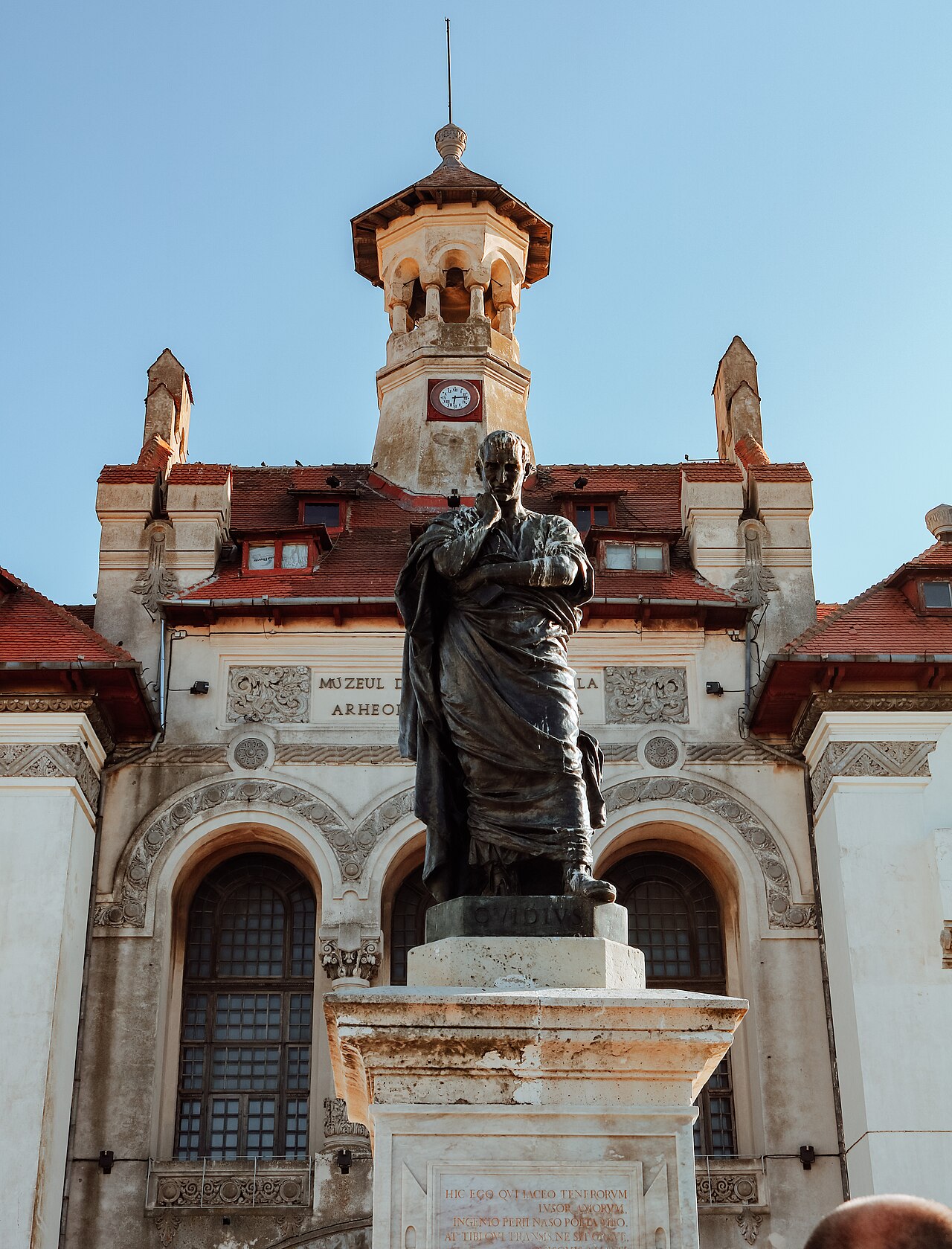
Ovid at Tomis

The Roman poet Ovid is exiled to Tomis, today’s Constanța. Here he writes the Tristia, and his statue still watches the old town square.

109 AD

Tropaeum Traiani

Emperor Trajan raises the monument at Adamclisi in memory of the victory over the Dacians. A stone sign that has lasted almost two millennia.

1388

Mircea the Elder’s Dobruja

The region becomes part of Wallachia under Mircea the Elder, “despot of Dobrotici’s land”, from whom Dobruja also takes its name.

1878

Return to Romania

After the War of Independence, Dobruja unites with Romania. Decades of modernisation follow: railways, ports, new towns.

1895

Anghel Saligny’s bridge

At Cernavodă the Danube bridge is opened, then the longest in Europe. Clean engineering, no tricks — the same principle we apply in code.

Today

Software forged in Dobruja

We carry the story on in our way: we build free apps for families and communities, with the same patience that raised the fortresses and bridges here.

A living mosaic

Dobruja is Romania’s most multicultural region: the 1913 census counted more than fifteen ethnic groups here, and in the early twentieth century more than ten languages were spoken daily in its ports. For centuries these communities learned to work together, not only to coexist. Press “Read more” on each card for its story.

Romanians and mocani

Transylvanian shepherds who came with their flocks across the Danube, then settlers after 1878, gave the region its villages, churches, and farmsteads.

Turks

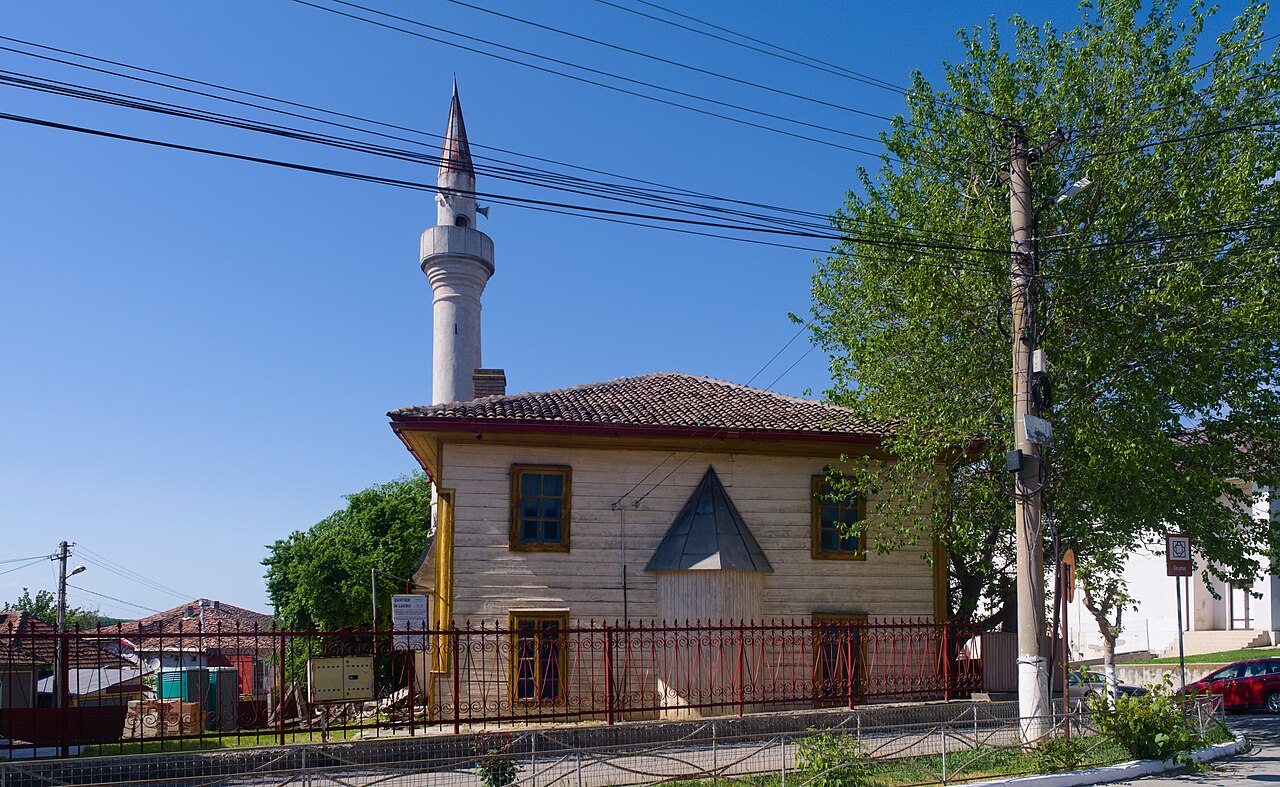
Here since the late 14th century, with Ottoman rule. The mosques of Constanța, Mangalia, and Babadag bear their mark.

Lipovans

Old-rite Russian refugees in the Delta in the 18th century. The Danube's finest fishermen, with their blue-domed churches at Jurilovca, Sarichioi, and Mila 23.

Aromanians

Shepherds and merchants from the Balkans, settled in Dobrogea in the 1920s. A proud community that keeps its dialect and songs.

Tatars

Heirs of the steppe, settled here in successive waves from the 13th century until after the Crimean War. Cheburek and Kurultai are their legacy.

Ukrainians

Descendants of the Zaporozhian Cossacks, refugees at the Danube's mouth in the 18th century. Fishermen and farmers in villages of the northern Delta.

Greeks

From the colonists who founded Histria and Tomis to the merchants of 19th-century Sulina: Greeks are the oldest attested "Dobrogeans".

Armenians

Merchants settled in Dobrogean towns since the Middle Ages, with strong communities at Babadag and Constanța.

Bulgarians

Gardeners and farmers settled especially in the 19th century, with deep traces in Dobrogean toponymy and farm life.

Dobrogean Germans

Settlers from the Russian steppes between 1841 and 1891, renowned farmers at Malcoci, Atmagea, and Cogealac.

Italians

Stonemasons from Friuli, who came in the late 19th century to cut Măcin granite. The village of Greci is Dobrogea's "little Italy".

Jews

Merchants, craftsmen, and doctors settled in Dobrogean ports with the rise of trade. Synagogues in Constanța and Tulcea preserve their memory.

Gagauz

Orthodox Christians who speak a Turkic language, settled for centuries around Babadag: one of Dobrogea's most unusual cultural syntheses.

Roma

Present for centuries in Dobrogea's markets and ports: blacksmiths, coppersmiths, porters, and musicians who gave the region part of its sound.

Megleno-Romanians

South-Danubian Romanians from Meglenia, settled in the 1920s at Cerna, Tulcea county, where they keep their dialect and customs.

Circassians

Caucasian mountaineers, settled by the Ottomans in the 1860s. They stayed briefly, but left village names: Slava Cercheză preserves their memory.

From this mosaic we learned to build for different people, with different needs: a family that shares the shopping list, a gym that welcomes its members, a community that honours its dead.

faurit-in-dobrogea.ro

The Dobrogea mosaic

Living and remembered communities. We do not invent English “local traditions” here.
  • Delta, coast, citadels, and the people who made them See the place · ghid scurt en + hub
  • Start with Histria if you came for the Greek shore, not for a beach bar. See the place · hub

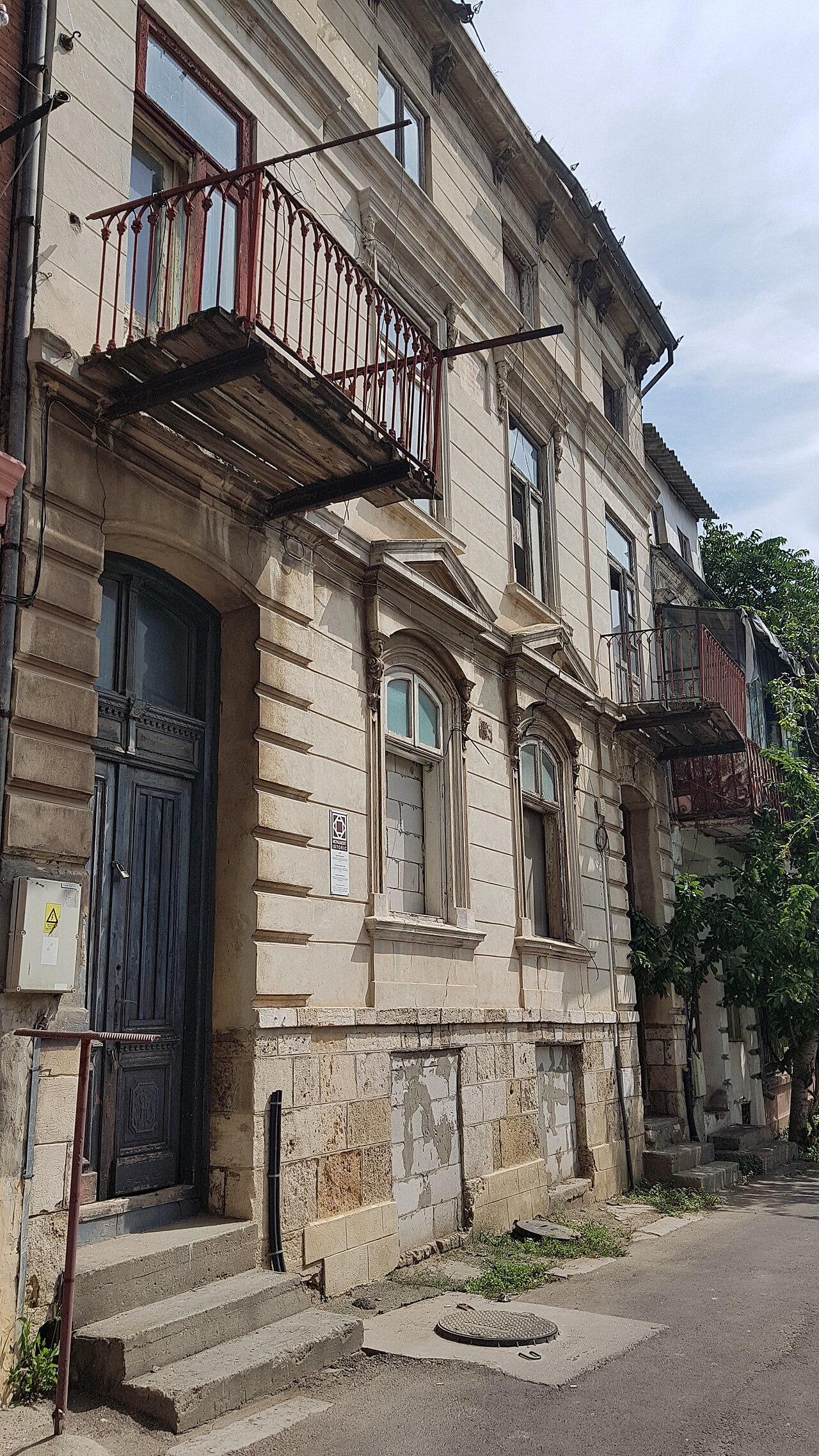
Dobruja’s towns, at leisure

Each Dobruja town has its own page: a short history, a timeline and the places worth seeing.

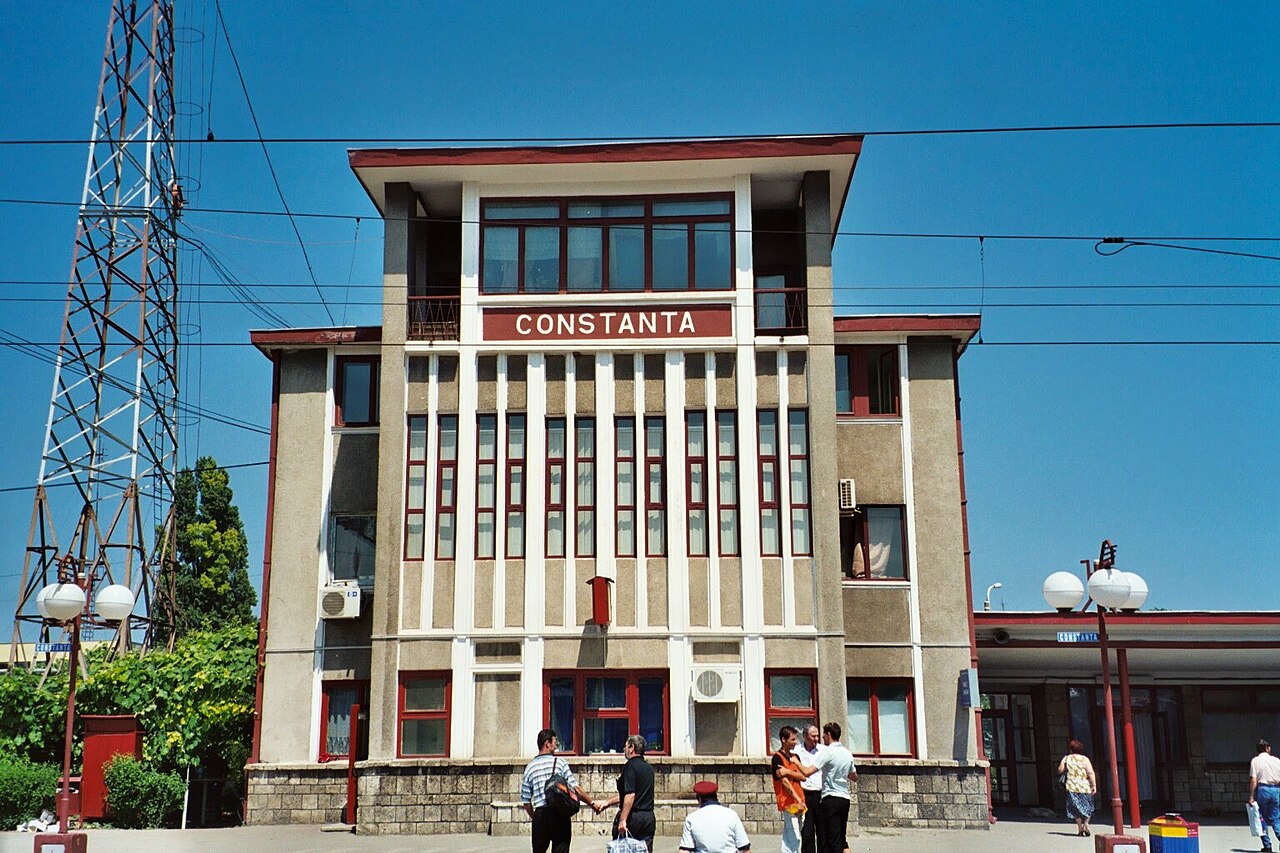
Constanța Ancient Tomis, the largest Black Sea port

Tomis · Constantiana · Constanța con-stan-ța

Read more →
Tulcea Ancient Aegyssus, gate of the Danube Delta

Aegyssus · Tulcea tul-cea

Read more →
Medgidia Heart of the steppe, the town of Abdulmecid

Mecidiye · Medgidia med-gi-di-a

Read more →
Cernavodă Axiopolis, the Saligny bridge and the country’s energy Read more → Mangalia Ancient Callatis, the southernmost port

Callatis · Pangalia · Mangalia man-ga-li-a

Read more →
Năvodari A young town between the sea and Lake Tașaul Read more → Ovidiu At the gates of Constanța, on Siutghiol

Canara · Ovidiu o-vi-diu

Read more →
Eforie The resort between the sea and Techirghiol Read more → Hârșova Ancient Carsium, the potters’ hearth

Carsium · Hârșova hâr-șo-va

Read more →
Măcin Arrubium, at the foot of the oldest mountains

Arrubium · Măcin mă-cin

Read more →
Babadag Ottoman heritage among the woods

Baba Dağ · Babadag ba-ba-dag

Read more →
Sulina The easternmost town, a Danube porto-franco

Selina · Sulina su-li-na

Read more →

From craft to software

Each Dobruja tradition lent us a working principle. It is not a marketing metaphor; it is how we think every app.

Pottery from Hârșova

The potter does not rush the clay. Each vessel passes through the same hands, from kneading to the kiln, and leaves only when it is ready.

Fishing in the Delta

The fisherman from Sulina or Mila 23 knows every tool and every channel. Nothing spare in the boat; everything has a use.

Steppe farming

Dobruja wheat does not grow overnight. The farmer ploughs, sows and tends, day after day, trusting the harvest.

Hospitality

In Dobruja the guest receives the best of the house, without paying and without anyone counting the bites.

We carry the tradition on

The fortresses lasted because they were well built. The Cernavodă bridge stands because it was well calculated. Hospitality survived because no one put a price on it. Our apps follow the same rules: well made, well thought out, and free for good.

the faurit-in-dobrogea.ro team

We are not a museum of Dobruja; we are its continuation. Every synced shopping list, every gym member checked in, every memorial made with care is proof that this place’s values also work in the digital world.

See what we have made here

Four free apps, built with a potter’s patience, an engineer’s precision and a Dobrujan host’s generosity.

Explore the apps
Favourites stay only on your phone, they are not saved. Create an account to keep them.