History
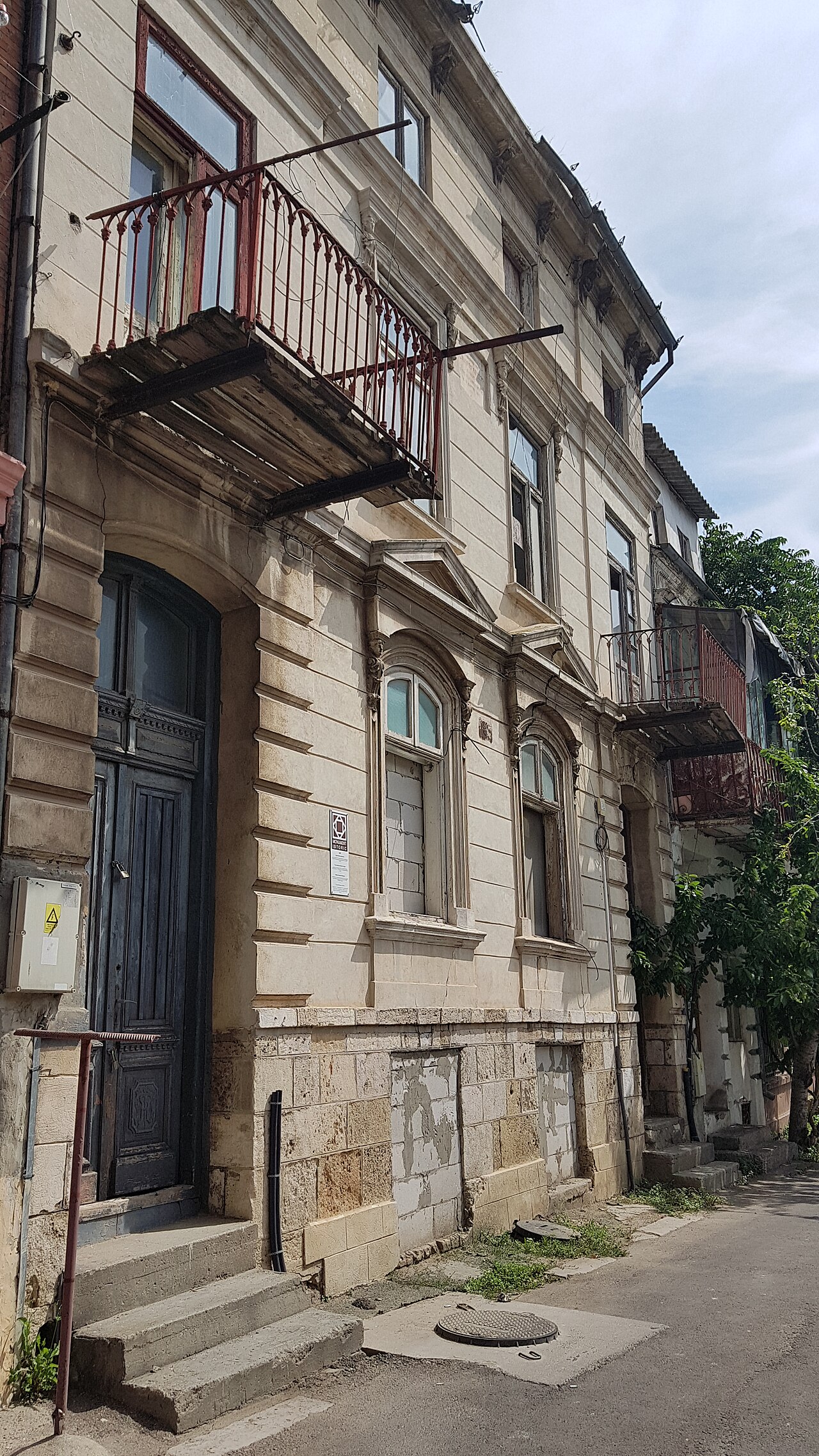
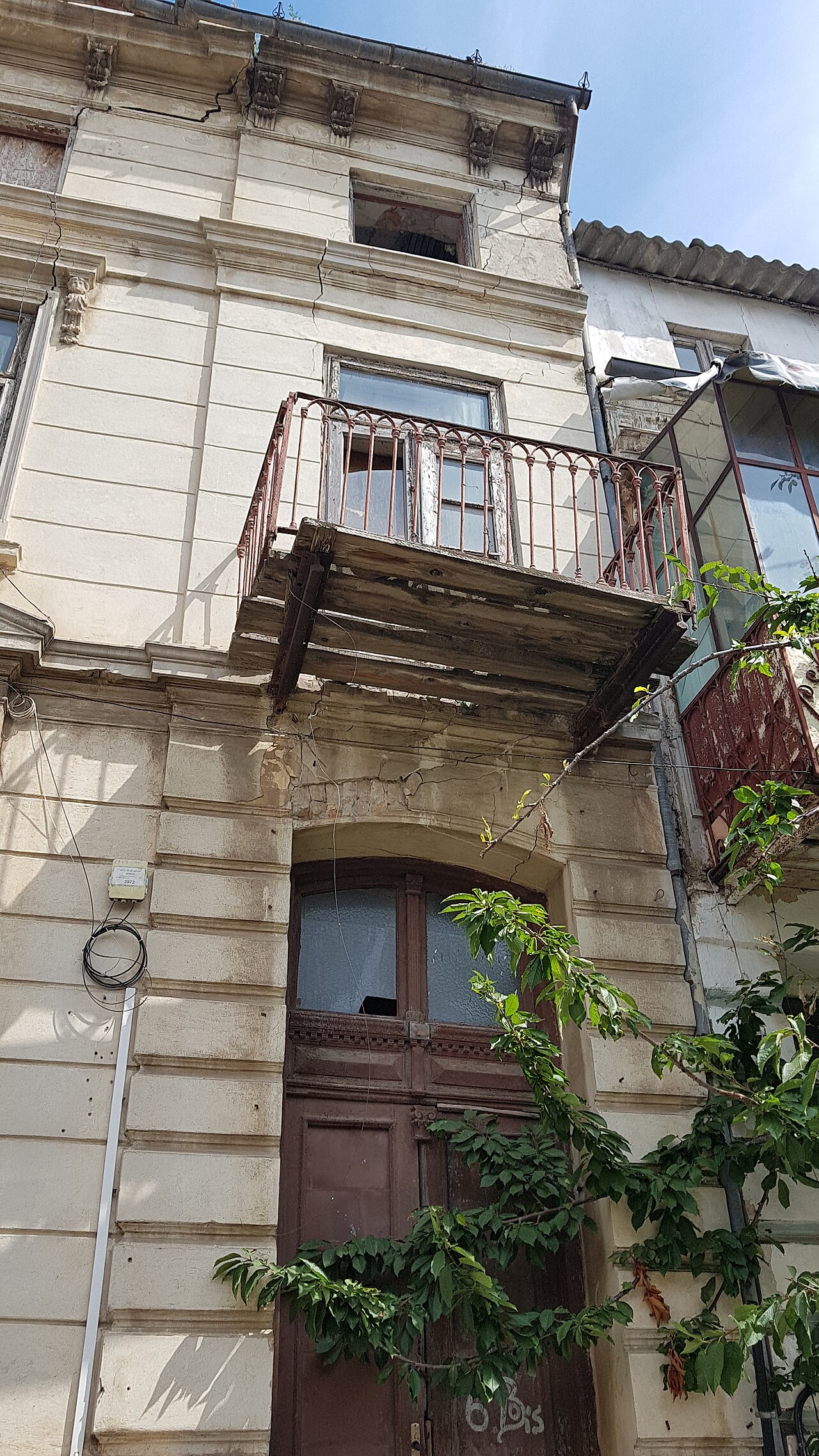
In 1897, the Greek merchant Theodorou Roussou asked the architect Pelopidas Couppa for a town house: a symmetrical façade, tall windows, a drawn cornice, a recognizable interior stair. The monument (LMI CT-II-m-B-02836) belongs to the series of late 19th-century residences, when Constanța was filling with families in the port trade.
The building fell into disrepair, then entered rehabilitation. Even the scaffolding skeleton is worth a look: you see the thickness of the walls and the rhythm of the axes, before they disappear under new plaster.
Photograph from the street and move on. In a year or two the façade will look different; now you catch a worksite stage, not a salon.
On the map
The pin marks this site.
Curiosities nearby
01 / 06
Constanța este cel mai vechi oraș locuit continuu de pe teritoriul României: peste 2.500 de ani de la întemeierea Tomisului.
02 / 06
Cazinoul din Constanța a găzduit ruleta doar câteva decenii, dar a fost spital în ambele războaie mondiale.
03 / 06
Farul genovez din Constanța amintește de negustorii Genovei, care în secolul XIII controlau comerțul întregii Mări Negre.
04 / 06
Portul Constanța e cel mai mare port la Marea Neagră și s-a construit după planurile aceluiași Anghel Saligny care a proiectat podul de la Cernavodă.
05 / 06
Granitul din Măcin a pavat Bucureștiul și Constanța: pietrarii italieni din Friuli, așezați în satul Greci, l-au tăiat generații la rând.
06 / 06
Canalul Dunăre-Marea Neagră scurtează drumul navelor spre Constanța cu aproape 400 km și e printre cele mai mari lucrări de terasamente din istorie, comparabilă cu Canalul Suez.
Nearby (25 km)
Community
No approved reviews yet.
No approved comments yet.