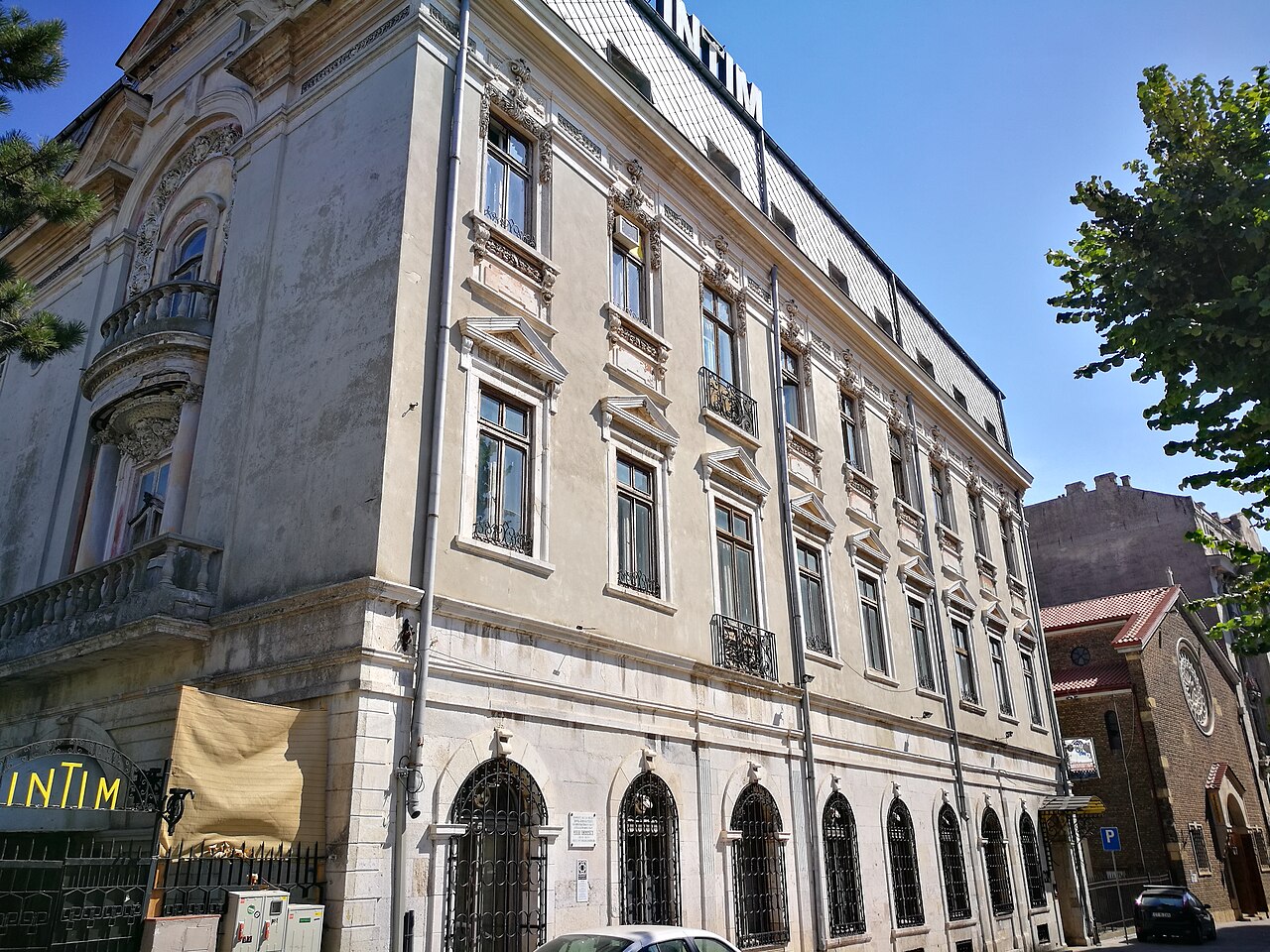
Grand Hotel Constanța
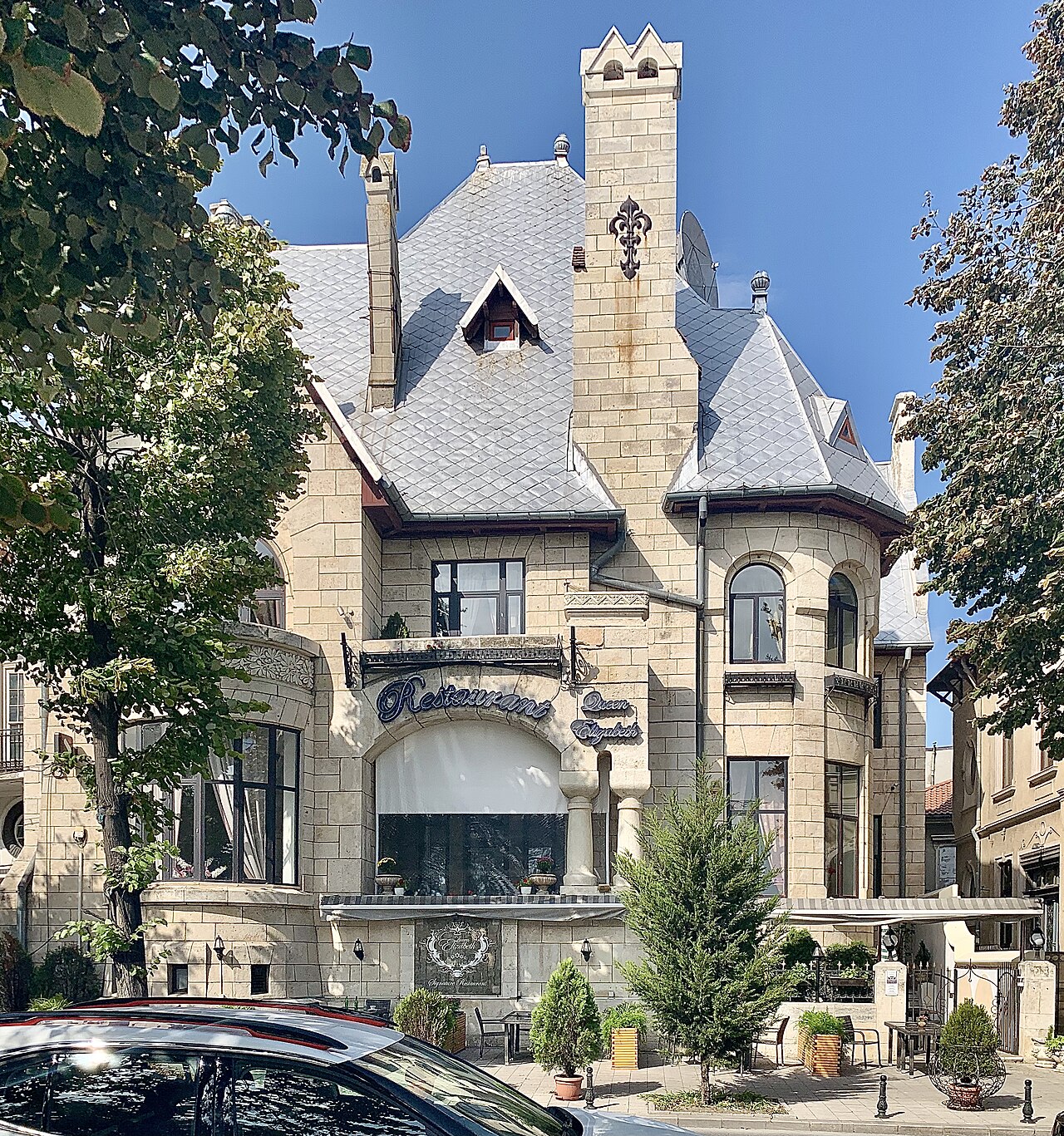
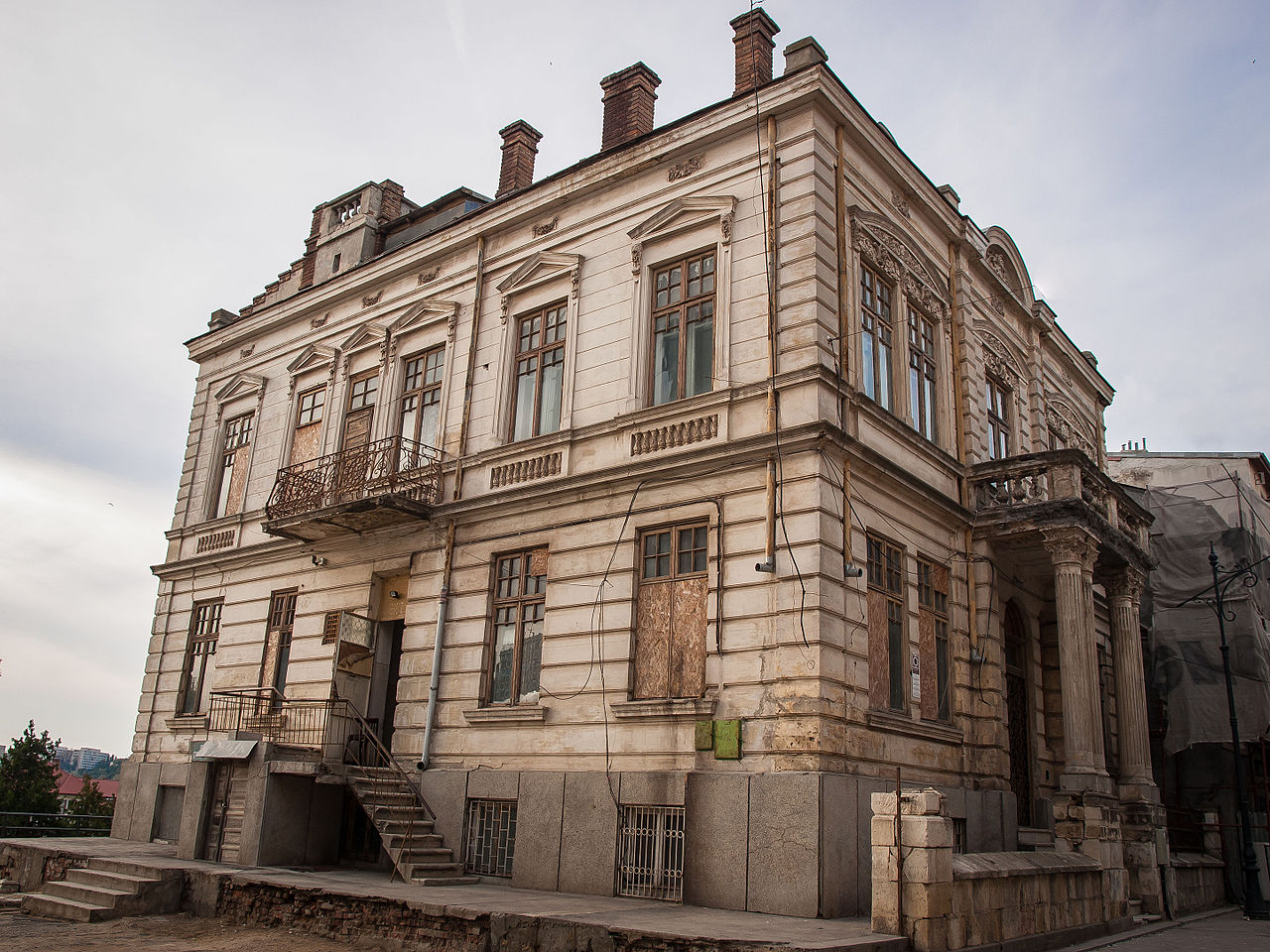
Stavru Dumitriu bought the land in 1912, when the lot was still at the edge of the city. Only in 1920, after the plans of the architect Edgar de Goue, did the Grand Hotel open: doz…
Checked guide · one place = one sheet
81 places found with the current filter.
Stavru Dumitriu bought the land in 1912, when the lot was still at the edge of the city. Only in 1920, after the plans of the architect Edgar de Goue, did the Grand Hotel open: doz…
Beside Tropaeum Traiani, the altar at Adamclisi was raised at the beginning of the second century, in Trajan’s time, for the soldiers who fell in the battles in Dobrogea. It is not…
Cornel Medrea (1888–1956) modelled in stone, in 1963, two figures standing close to each other, as in a word said halfway. The ensemble was placed in 1964 beside the Victoria compl…
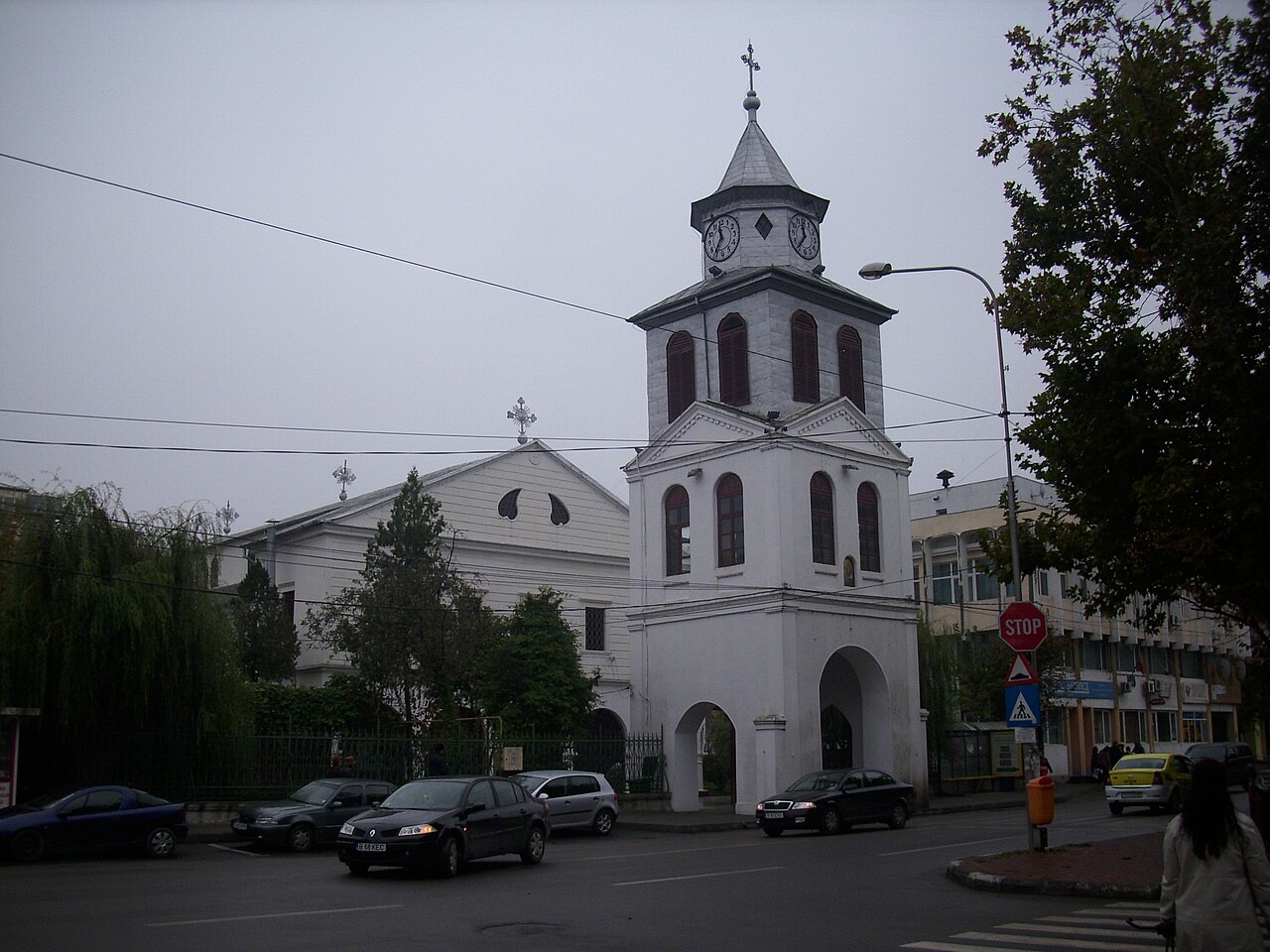
People in Tulcea call it the “Clock Church” or the “Bulgarian Church”. The Bulgarian community replaced in 1857 a wooden church that the floods in the New Market area kept damaging…
On the bank of the Chilia branch, the towers of more than 40 metres are seen from the village before you catch the door. The Church of the Holy Archangels Michael and Gabriel was b…
On Callatis Street no. 1, close to the sea, the Armenians of Constanța keep the church of “Saint Mary”. The community is attested in Dobrogea from the fifteenth and sixteenth centu…
Rahel, Marcu and Cabel Presente raised between 1924 and 1926 a residential building with an Art Nouveau façade: serial windows, vegetal decoration, a commercial ground floor. It is…
Between 1905 and 1910, in the thick of the modernization of Constanța Port under Carol I, the Exchange building appeared: offices, a trading hall, Art Nouveau ironwork. The project…
On 25 September 1932, a year after the death of Ioan N. Roman, Ion Dimitriu-Bârlad unveiled the bust of the lawyer, journalist and politician who wrote and judged for Dobrogea. To…
In May 1864 Alexandru Ioan Cuza slept at the Hotel Danubiu, on the Giurgiu–Cernavodă–Constanța–Constantinople road. The hotel, from around 1850, became the Metropol, with doors fro…
Between 1881 and 1884 the French banker Jean Gérard Amédée Alléon raised his house on the Constanța peninsula, a few years after Dobrogea passed, in 1878, to Romania. The façade mi…
In 1909, at Tomis no. 28, corner with Vasile Țurcanu, Andi Caraciali raised a house on an almost square plan, two levels and an attic. The small arched windows and the corner balco…
After 1904, when Anghel Saligny’s harbour was changing the city, inspector Ion Bârzănescu and engineer Zahariadi, works supervisor, belonged to the world of the quays. Casa Bârzăne…
Titus Cănănău, a mayor at the start of the 20th century, raised his seafront villa between 1913 and 1926, after a design by Victor Ștephănescu. The works stretched over the First W…
Between 1890 and 1900 the house was raised in which Colonel Marin Ionescu Dobrogianu (1866–1938) lived, an officer who came to Dobruja, a corresponding member of the Romanian Acade…
At number 13 in Ovidiu Square, the house does not look at the statue, but at the harbour. That says enough about the Damadian family, Armenians with money from trade, and about Con…
Demostene Tranulis, the man behind the Fantasio Theatre and a support for “Mircea cel Bătrân” High School and for the community church, made himself an Art Nouveau house in 1914. O…
The brothers Leonidas and Mihail Embiricos, Greek shipowners, opened in 1922 a seat at the corner of Nicolae Titulescu and Ion Cantacuzino. From here National Steam Navigation was…
Evanghelou Rousou, a grain merchant and naval engineer, made his house in 1905 at Ion Lahovari no. 2. It is neoclassical, symmetrical, LMI category B: aligned windows, little decor…
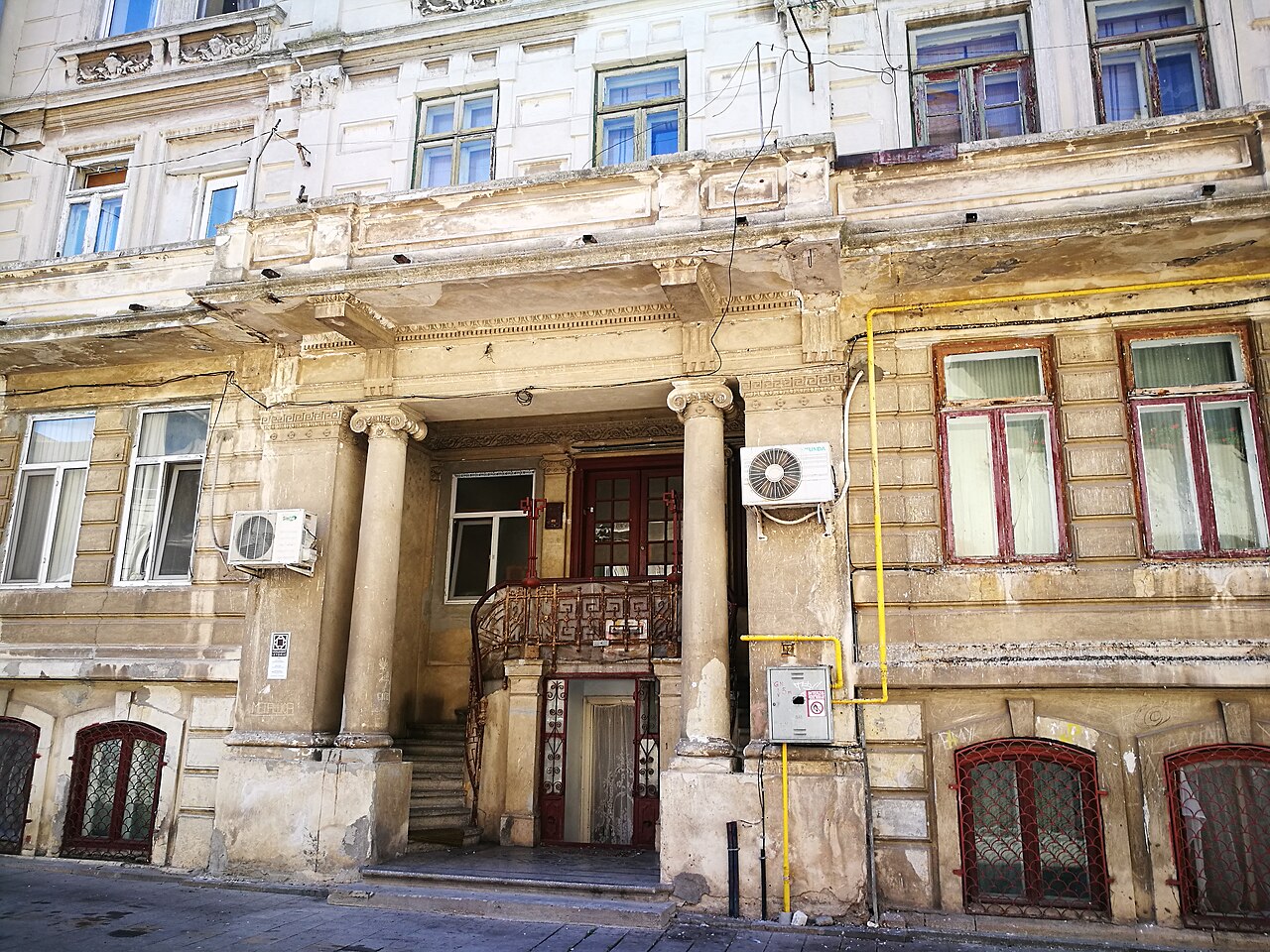
In 1922 Cristu (Hristu) Frangopol raised a neo-Romanian building with a generous ground floor, two storeys and an attic. The entrance is wide, thought for a family of means, not fo…
Edgar de Goue, the Frenchman who also signed the Palace, set in 1923 a dwelling house at Nicolae Titulescu no. 19: ground floor and storey, mastered Art Nouveau, in a quarter of Gr…
The permit of 1906 gave a neoclassical house with an entrance on axis and a balcony above the door. The owner, Hector Serafidis, belonged to the Greek community and to a network th…
On the side of Ovidiu Square, around 1903, the Greek Gheorghe Hrisicos asked for a hotel of rank, and Louis Givert gave him an Art Nouveau façade. Constanța was becoming a port and…
On Elisabeta Boulevard, between 1902 and 1904, Ion Pâslă raised a neo-Romanian house, with a porch, an attic and decoration of wood and masonry. The building is listed. The owner b…
Francisc Lescovar, come with the experience of the Palace hotel, built himself in 1912 a house close to the Casino and the shore — a residence of some 800 square metres, thought fo…
In 1899 Take Manicatide, a grain merchant and president of the Chamber of Commerce, raised his house at Nicolae Titulescu Street no. 36. The plan belonged to Haralambie Mangoianu.…
The town physician, Nicolae Pilescu, made his house in 1903 on Elisabeta Boulevard, close to the cliff. Constanța was just becoming a resort, and the doctor stood in view, not in a…
At the corner of Callatis and Marcus Aurelius, in 1897, Paul Ernst drew a two-level neoclassical house for the Parusi family. The plan is rectangular, the façade has a more project…
Sava Șomănescu, a Bucharest landowner, led between 1908 and 1910 the Agrarian Society and the League for the Cultural Unity of all Romanians, in the years before the Great Union. H…
In 1897, the Greek merchant Theodorou Roussou asked the architect Pelopidas Couppa for a town house: a symmetrical façade, tall windows, a drawn cornice, a recognizable interior st…
Zafiros Kyryakou raised his house in 1894, 16 years after the Union of Dobruja, on a plot in the Decebal area — a merchant’s dwelling, not a palace. The monument (LMI CT-II-m-B-028…
From 1895 Gheorghe Zottu was president of the Constanța Tribunal. The house that bears his name is a category B monument, the dwelling of a magistrate in a county only just taken i…
Ion Bănescu, a former mayor, died in 1909. The town hall left his wife, Elena, a lot on Tomis Boulevard no. 110, and between 1911 and 1914 the architect Nicolae Loghiu raised a hou…
On Elisabeta no. 15, in 1910, the merchant I. E. Abramoglu raised, to the plans of Christo V. Sotiriu, a house with a bright basement, ground floor and storey. It is LMI, category…
Cella Serghi, the author of the novel “Pânza de păianjen”, kept Constanța close: the shore city, the wind, the seasonal hotels appear in her prose because she lived them, not becau…
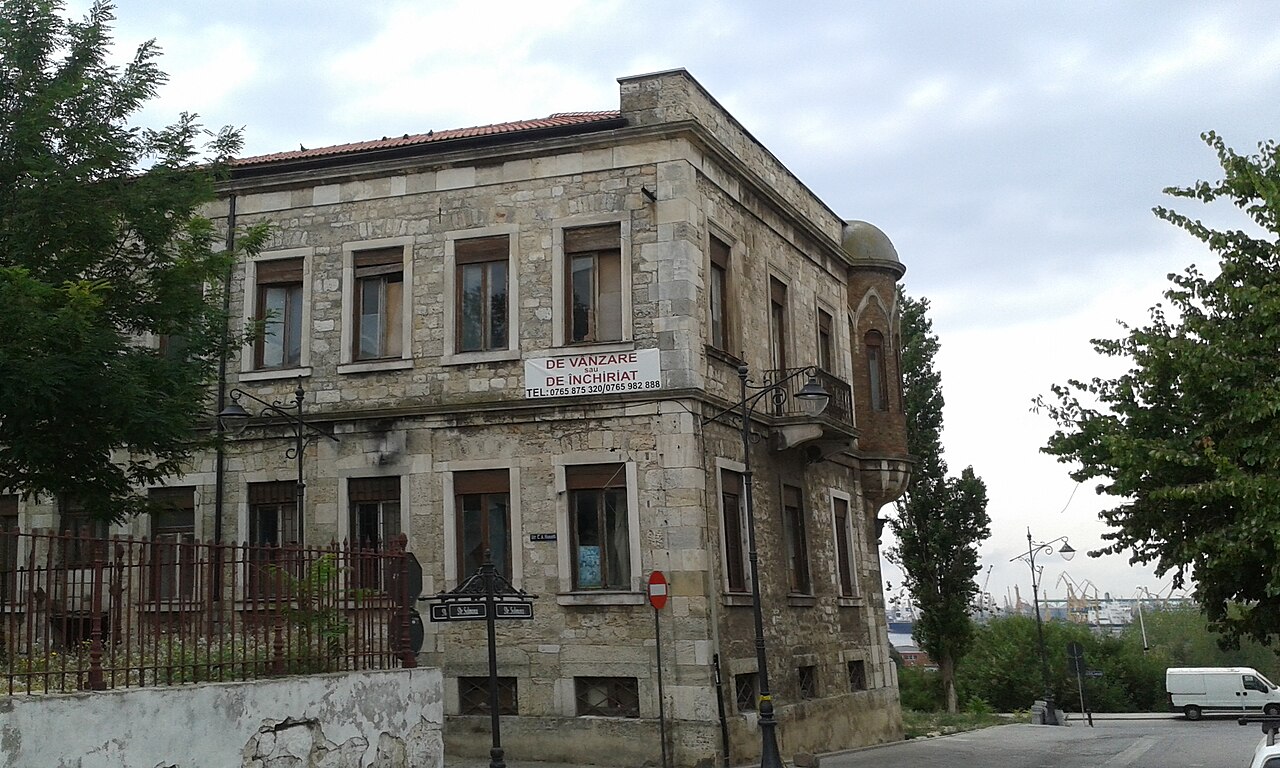
On Sulmona Street no. 10, the Papadopol family — Greek entrepreneurs with businesses in Constanța from the end of the nineteenth century — raised around 1890 a house with neo-Roman…
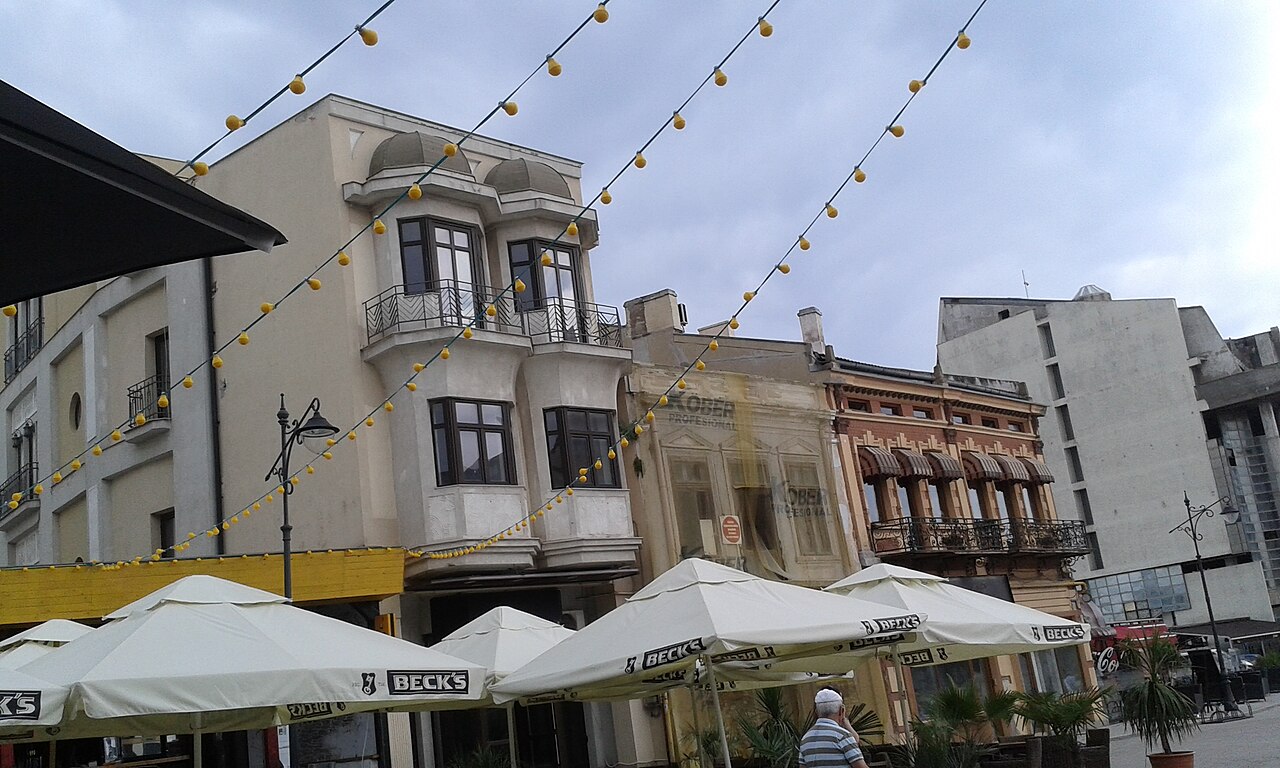
In Ovidiu Square no. 4, the bay windows come out of the wall like glass lanterns. That is why it is also called “the house with bay windows”. In 1913 the architect Nicolae Michăesc…
On 15 August 1935, on the feast of the Assumption, Carol II inaugurated the Mamaia casino, built in 1934–1935 by Constanța City Hall after the plans of Victor Ștefănescu — the same…
Beside the former station at Mircea Vodă are buried more than 8,000 soldiers of the First World War: Romanians, Germans, Russians, Bulgarians, Serbs, Austrians and Poles. Many had…
The college started at the end of the nineteenth century, when Dobrogea was just linking administratively to Romania and the city needed a serious lycée for boys. The building you…
On Muratan Hill, near Pecineaga, a stone cross marks the field grave of more than 400 German soldiers fallen in October 1916, in the fighting at Topraisar-Muratan. It was raised by…
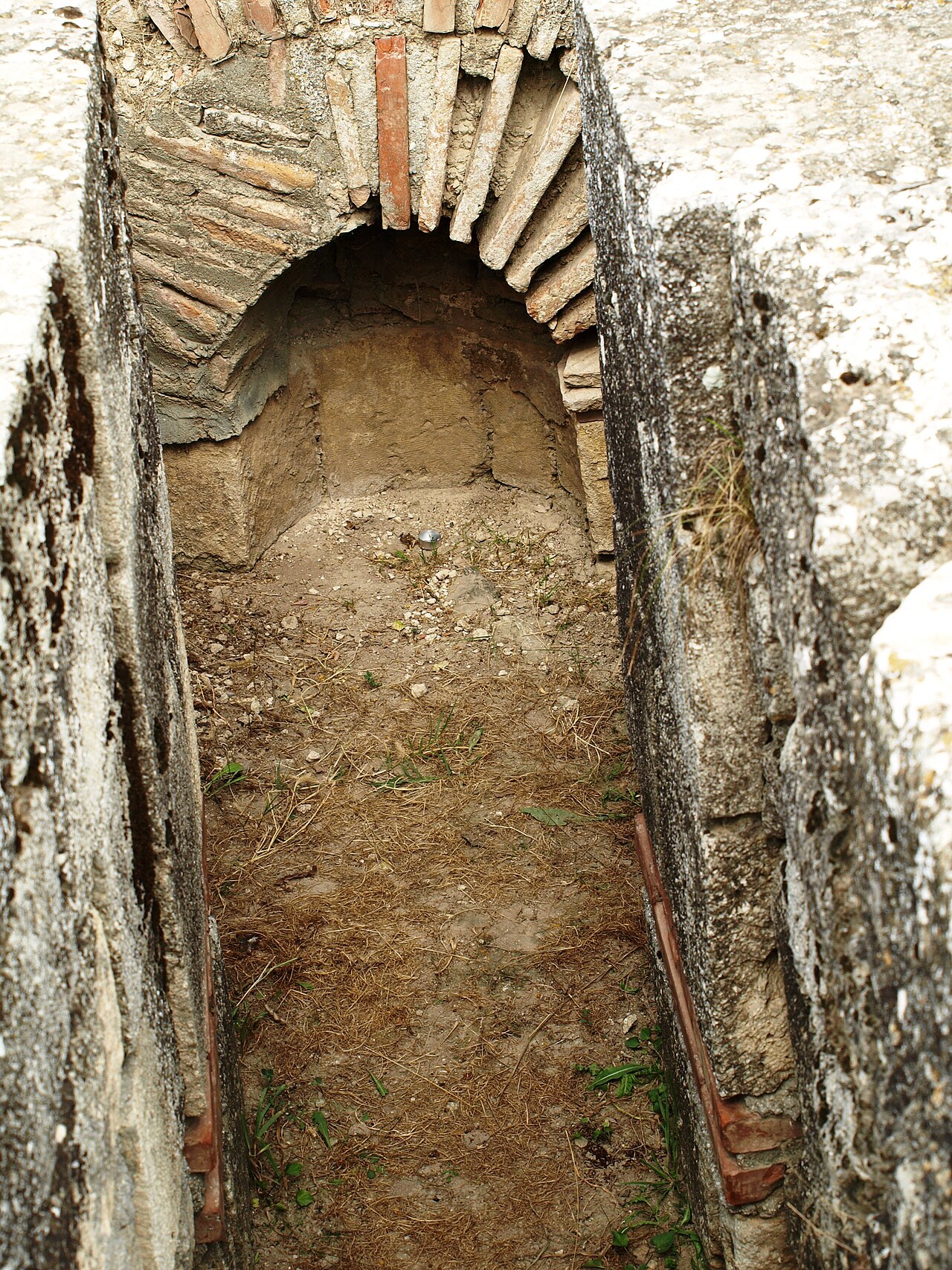
In the 4th century, Tomis had on the shore a warehouse-terrace with a mosaic floor, linked to the harbour. The building was brought to light under the seafront and covered with a p…
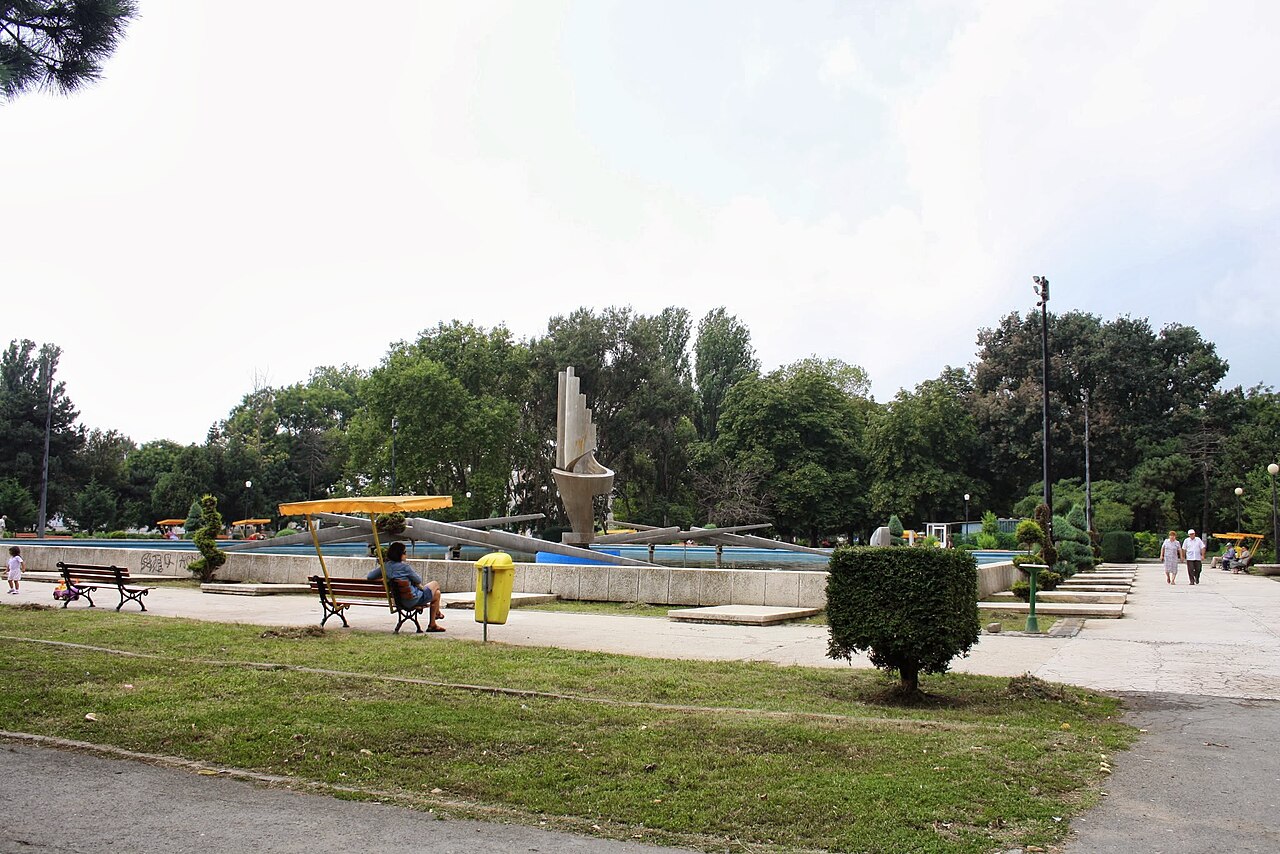
In Station Park in Constanța, a fountain from the 1970s combines metal, stone and water that moves pieces. There is no famous author on a plaque; it is a period installation, meant…
After the Union of 1878, the Greek community in Constanța grew (thousands of people by 1881, with their own schools and churches). Between 1920 and 1940, this building was the seat…
At the crossing of Ștefan cel Mare and Griviței, at number 84, the inn from the first decade of the twentieth century holds two façades, ten wrought-iron balconies and a heavy arch…
In 1912, before the war, Hotel Bristol opened beside Ovidiu Square: storeys with Art Nouveau windows, a provincial hotel lobby with pretensions, rooms for merchants and officers pa…
On Remus Opreanu Street, in 1912, Vasile Marinescu opened Hotel Bulevard, with a builder’s hand from Constantin Gheorghiu. The Art Nouveau ground floor is thought for guests coming…
Prefect Remus Opreanu wanted, immediately after 1878, a hotel of measure in a city that had just entered Romania. Between 1879 and 1882 Alexandru Orăscu designed Hotel Carol I: the…
Raised in 1896, Cherica is among the oldest hotels in the city that still receive guests. The name comes from the family of Pulcheria Cherica, with ties toward Dimitrie Grigore Stu…
In June 1882 Mihai Eminescu stayed ten days at the Hotel d’Angleterre, from which he looked at the sea and wrote to Veronica Micle. On the same site, in 1909, Hotel Regina opened,…
Site photos: Wikimedia Commons or the newsroom, credit on each sheet. No images from dobrogea150.ro.
Nothing found. Try another term.