Murfatlar Rock-Cut Ensemble
Discovery The ensemble stands on the north-western slope of Tibișir Hill, at the south-western edge of Murfatlar, above the former Carasu Valley, today the Danube–Black Sea Canal.…
Checked guide · one place = one sheet
77 places found with the current filter.
Discovery The ensemble stands on the north-western slope of Tibișir Hill, at the south-western edge of Murfatlar, above the former Carasu Valley, today the Danube–Black Sea Canal.…
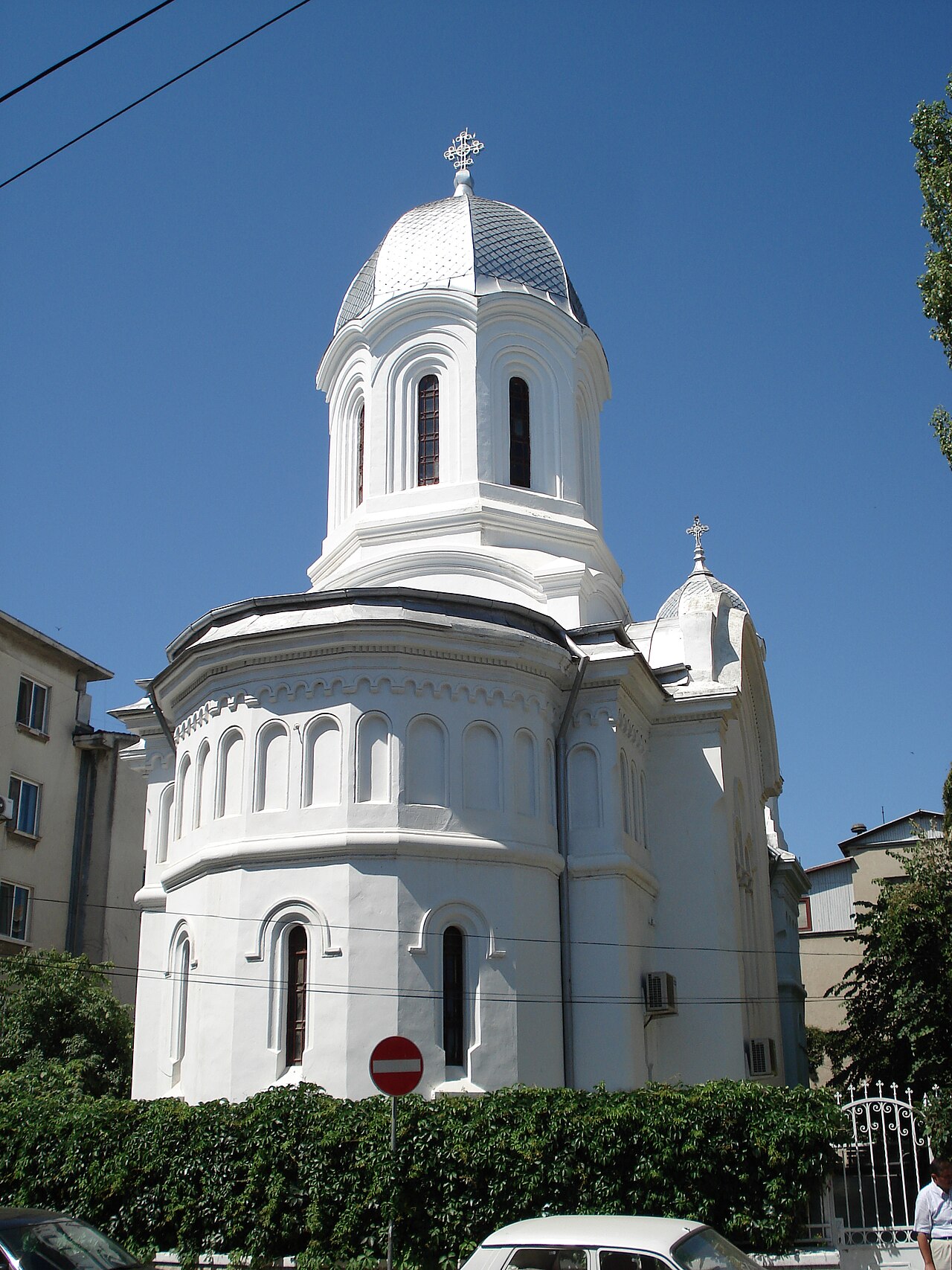
Between 1905 and 1911, in the centre of Constanța, the church with the dedication of the Dormition of the Mother of God was built, for a Romanian parish that was growing with the p…
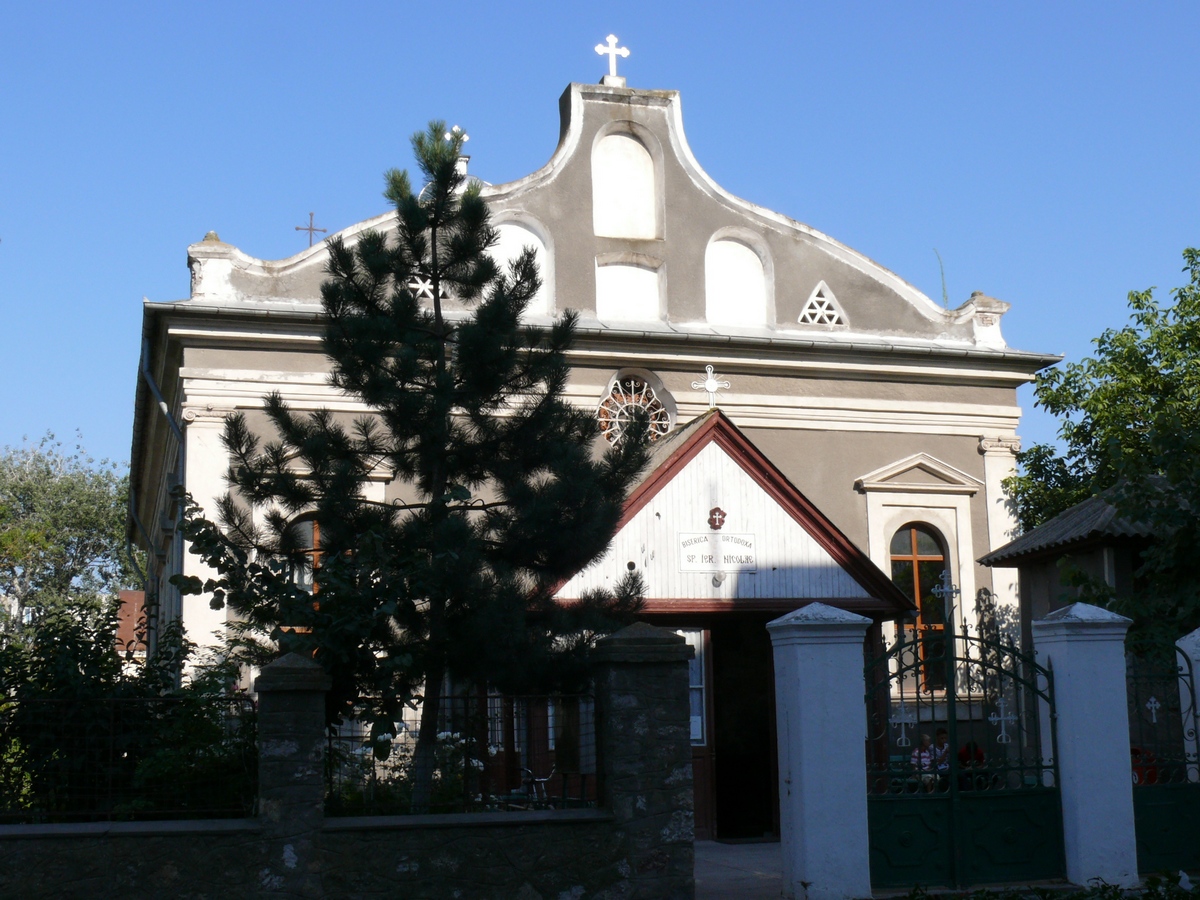
Beidaud is a plateau village, in the north of Tulcea. The church in the centre bears the dedication of the Translation of the Relics of Saint Nicholas and was raised at the beginni…
The Church of the Annunciation is a new house of worship, raised when the neighbourhood around it grew and the faithful no longer fitted in the churches of the centre. The architec…
In Oltina the royal doors bear the year 1863 and the names of Matiu Nicolaevici, his wife Caterina and their sons Dimitr, Nicolai and Teodor, come from Silistra. In the village 186…
The feast falls on 24 June, the Nativity of Saint John the Baptist, when the yard fills and there is a morning service. The church is contemporary, in a neo-Byzantine line, thought…
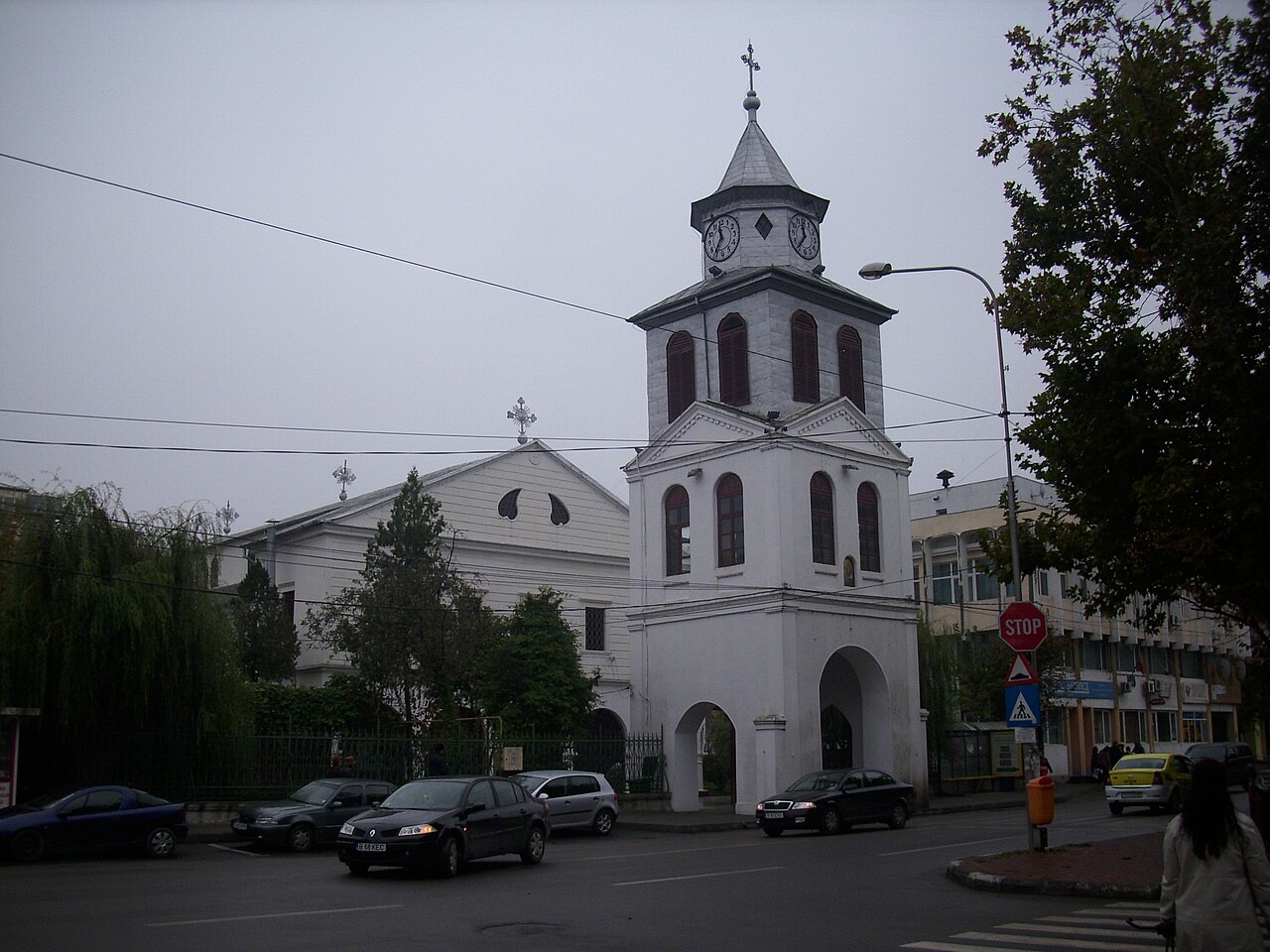
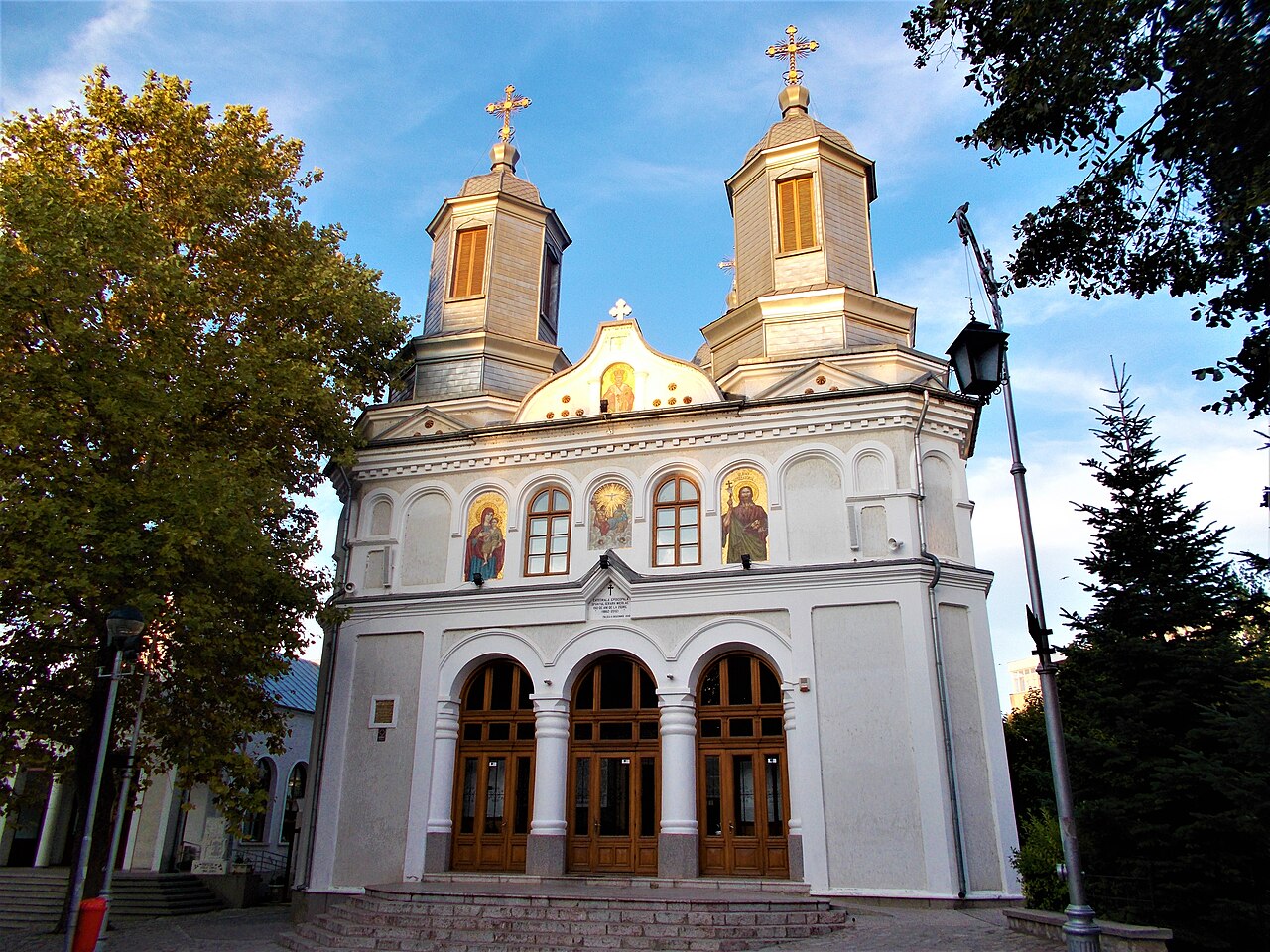
People in Tulcea call it the “Clock Church” or the “Bulgarian Church”. The Bulgarian community replaced in 1857 a wooden church that the floods in the New Market area kept damaging…
At the crossing of Ștefan Mihăileanu and Călărași streets, on one of the high points of Constanța, the parish founded in 1919 raised between 1934 and 1937 the church of the Holy Em…
Gârliciu stands on the right bank of the Danube, in the north-western corner of Constanța County. The Church of Saint Nicholas is in the middle of the village: here people marry, b…
In the village of Agighiol, Valea Nucarilor commune, the community built between 1858 and 1860 a church of stone and brick with the dedication of the Holy Archangels. It is among t…
On 1 November 2001 the “Holy Trinity” parish was founded, beside the House of Culture, for the faithful of the new centre, not of the peninsula. Between 2002 and 2004 a chapel func…
Horia made itself in 1902 a little church of adobe and reed. It was consecrated a year later and held services until the village could build more lastingly. From 1925 the brick wor…
The Church of Saint Haralambos serves an urban parish, not the coastal pilgrimage. The building is modern, with Byzantine volumes and an interior thought for Sunday service, choir…
In the Viile Noi neighbourhood, the church on the street that leads toward Medeea was raised in 1935 by the German community, with Gothic lines — a sharp tower, high windows, a pla…
On Nicolae Iorga Street no. 12, the parish began a new church in 1915, to the plans of Nicolae Paveliu. The war cut the site; works resumed after 1923, and the painting, with the p…
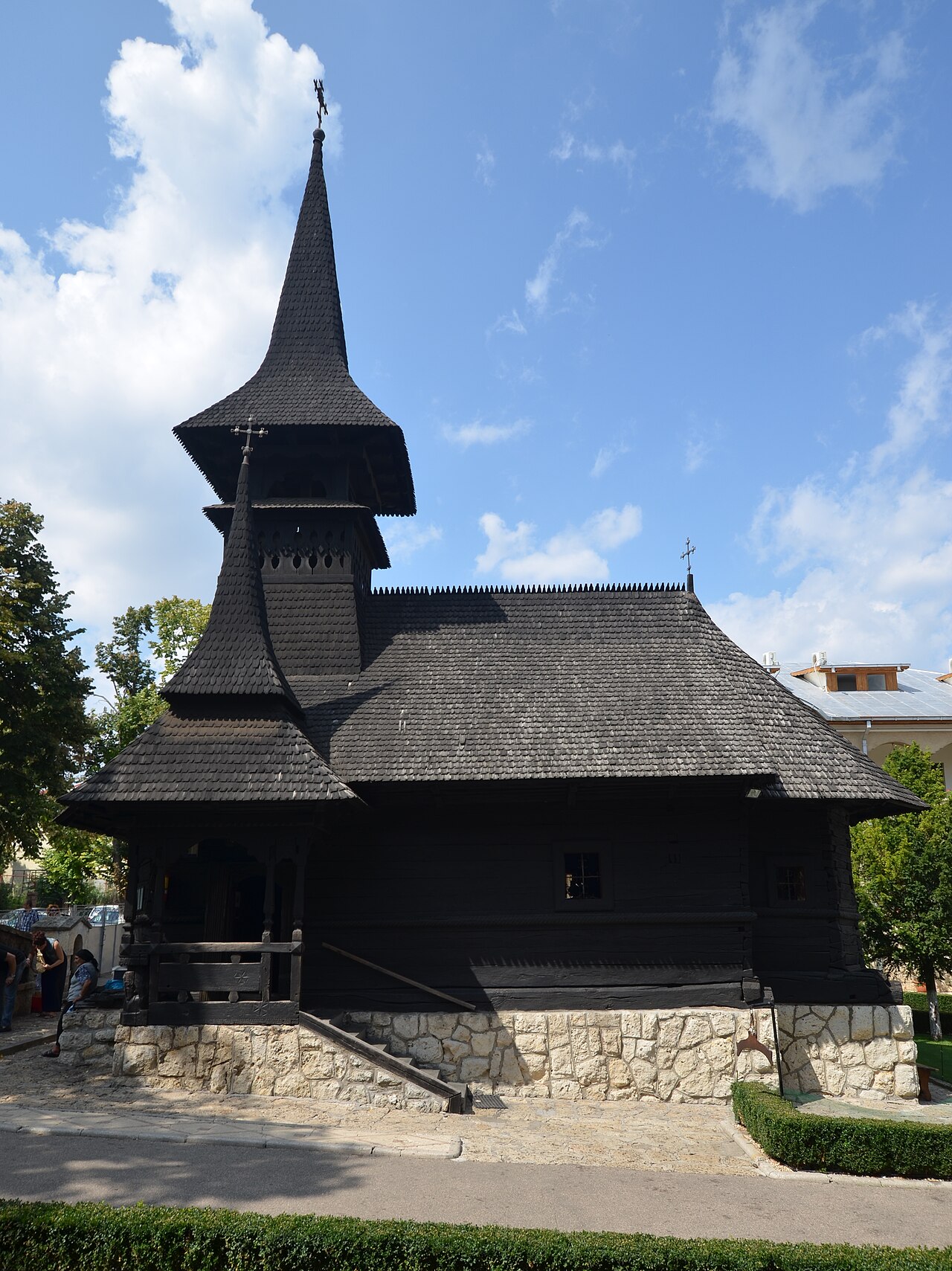
In Tăbăcărie Park stands a wooden church in the Maramureș manner, with a porch and a sharp tower. The foundation stone was laid in 1994; the first services were held on the feast o…
In Pantelimon, 44 Christian families raised the church at the end of the nineteenth century and consecrated it in 1898. Each gave money, days of labour or cartloads of stone. It is…
Saint Spyridon is a neighbourhood church from the second half of the twentieth century, raised when Constanța was growing beyond the old centre. The plan is of Byzantine inspiratio…
When Constanța spread with new neighbourhoods, a church dedicated to Saint Basil the Great, one of the Church Fathers, also appeared. The plan is neo-Byzantine, with simple façades…
On the bank of the Chilia branch, the towers of more than 40 metres are seen from the village before you catch the door. The Church of the Holy Archangels Michael and Gabriel was b…
Vulturu appears on maps from 1854; around 1861 it was called Kartal, then Cartal, and since 1933 it has borne today’s name. The Church of the Holy Voivodes had a first building of…
On Callatis Street no. 1, close to the sea, the Armenians of Constanța keep the church of “Saint Mary”. The community is attested in Dobrogea from the fifteenth and sixteenth centu…
The Baptist community in Constanța took shape over the twentieth century. Bethel is one of its congregations: preaching, song and Bible study, without an iconostasis and without an…
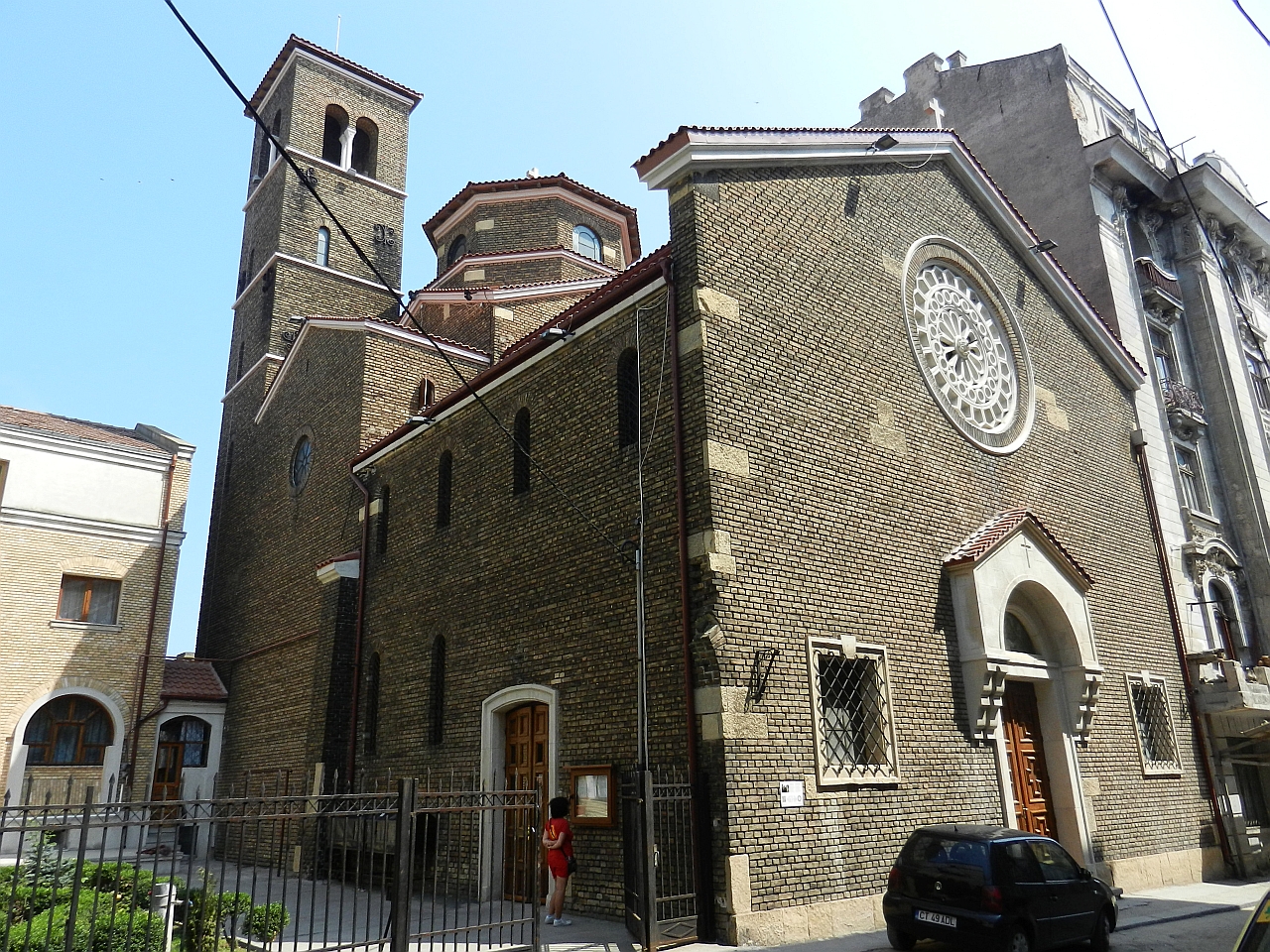
On 8 October 1898, the Bulgarian community in Constanța asked the City Hall for a plot on Maior Șonțu Street. The church dedicated to St. Nicholas was built at the beginning of the…
In 1951 Patriarch Justinian Marina brought to Techirghiol the little wooden church that had stood at Pelișor. It had been made around 1730–1750 at Maiorești, in Mureș, from oak bea…
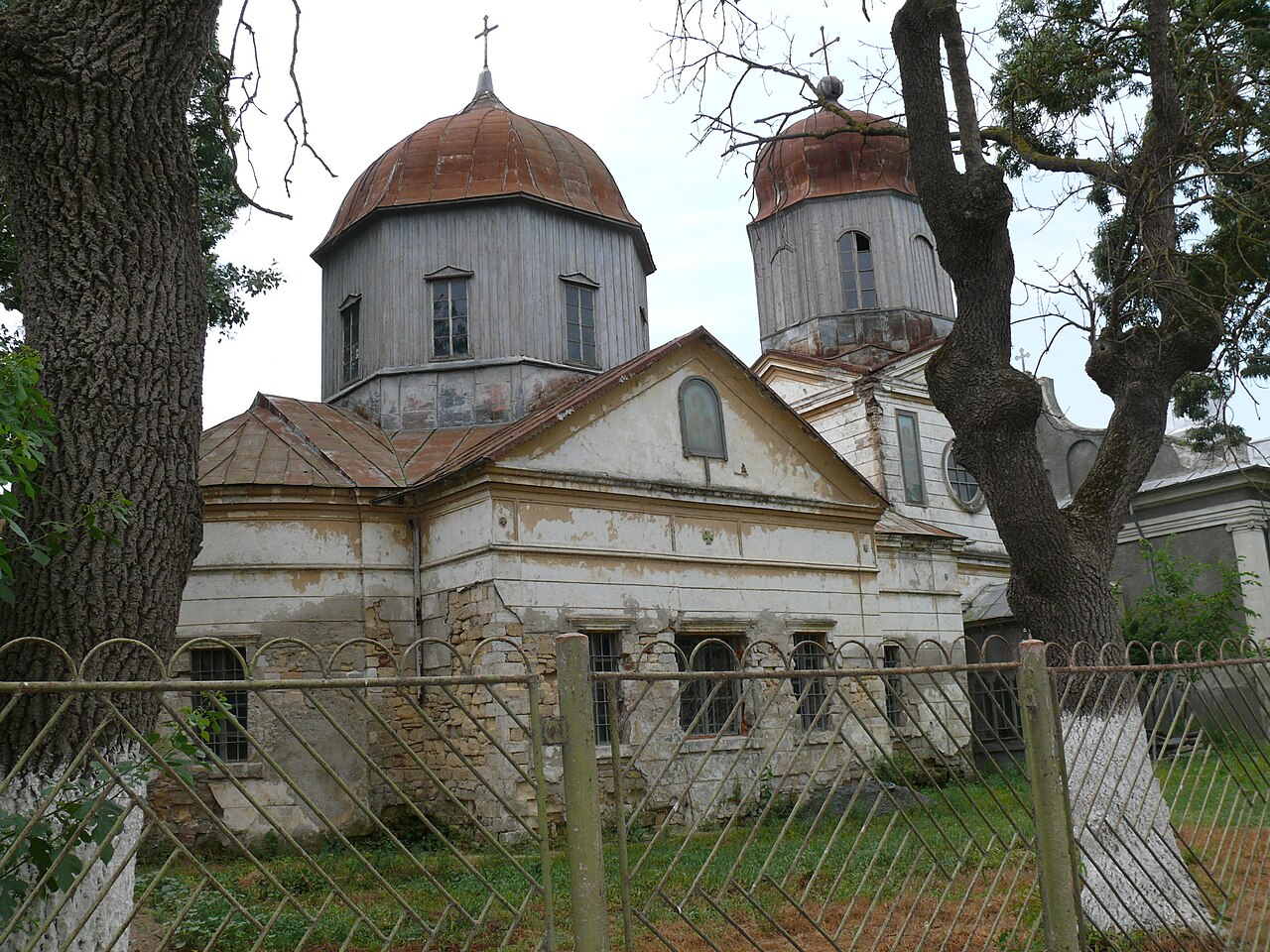
Izvoarele, also marked on maps as Pârjoaia, belongs to Lipnița commune. The wattle-and-daub house of worship dedicated to the Great Martyr Saint Demetrius was already standing befo…
The Church of the Protection of the Mother of God (Pokrov) in Jurilovca is the house of worship of the Old Believer community — the Lipovans who made the village one of Dobruja’s l…
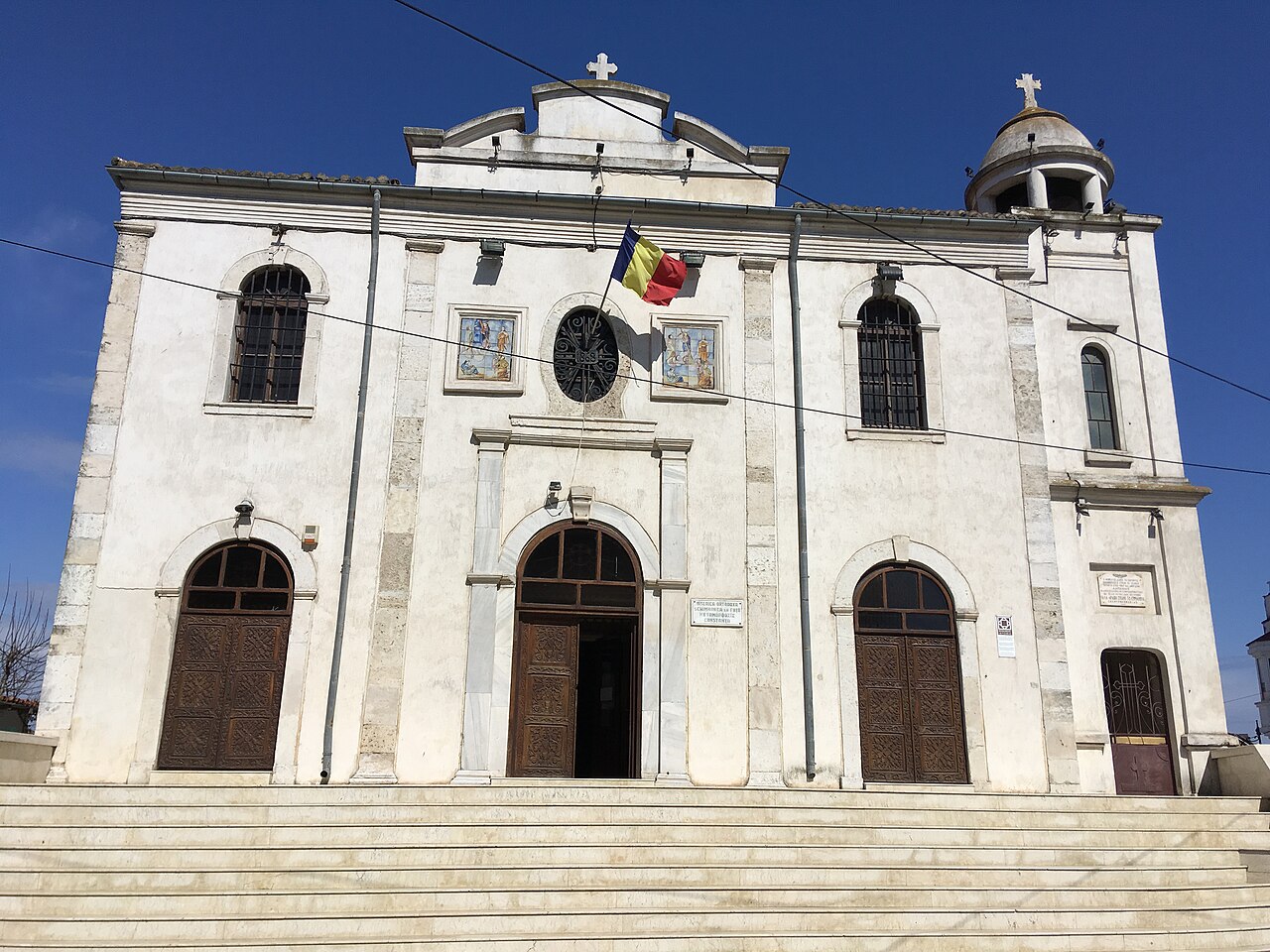
On Mircea cel Bătrân Street, on the peninsula, the Greek community built in 1867 the church of the Transfiguration (Metamorphosis), with the consent of Sultan Abdulaziz. It was the…
Beside Lake Sinoe and the fortress of Histria, the village of Istria keeps its church half in the ground. It was built in the second half of the nineteenth century, around 1864, wh…
Isaccea stands on the Danube, above layers of older fortresses. The Church of Saint George is the town's parish house: a spring feast, a courtyard with linden, a tower visible from…
In Sulina, where the branch gives itself to the sea, the Orthodox church dedicated to Saint Nicholas belongs to sailors and fishermen. The building is nineteenth-century, from the…
The Greek community held Sulina in the nineteenth century, when grain and bar pilots passed through the port. Their church, Saint Nicholas, is smaller than the Romanian cathedral,…
Between 1882 and 1895 Cernavodă raised the church of the Holy Emperors Constantine and Helen, with support from the Ministry of Cults, in the time of Take Ionescu, and with the sac…
Between 1935 and 1937 the Catholic community of Constanța raised, on the site of an old chapel, the church dedicated to Saint Anthony of Padua. The design follows a sober Romanesqu…
At Niculițel, the trefoil plan — three apses — gives the name to the church dedicated to Saint Athanasius. It began in the fourteenth century as a court chapel. After 1420, with th…
Romanians who came after the Peace of Adrianople, many from Beștepe, set between 1835 and 1845 a little church in Ottoman Tulcea. Between 1862 and 1865 they replaced it with the pr…
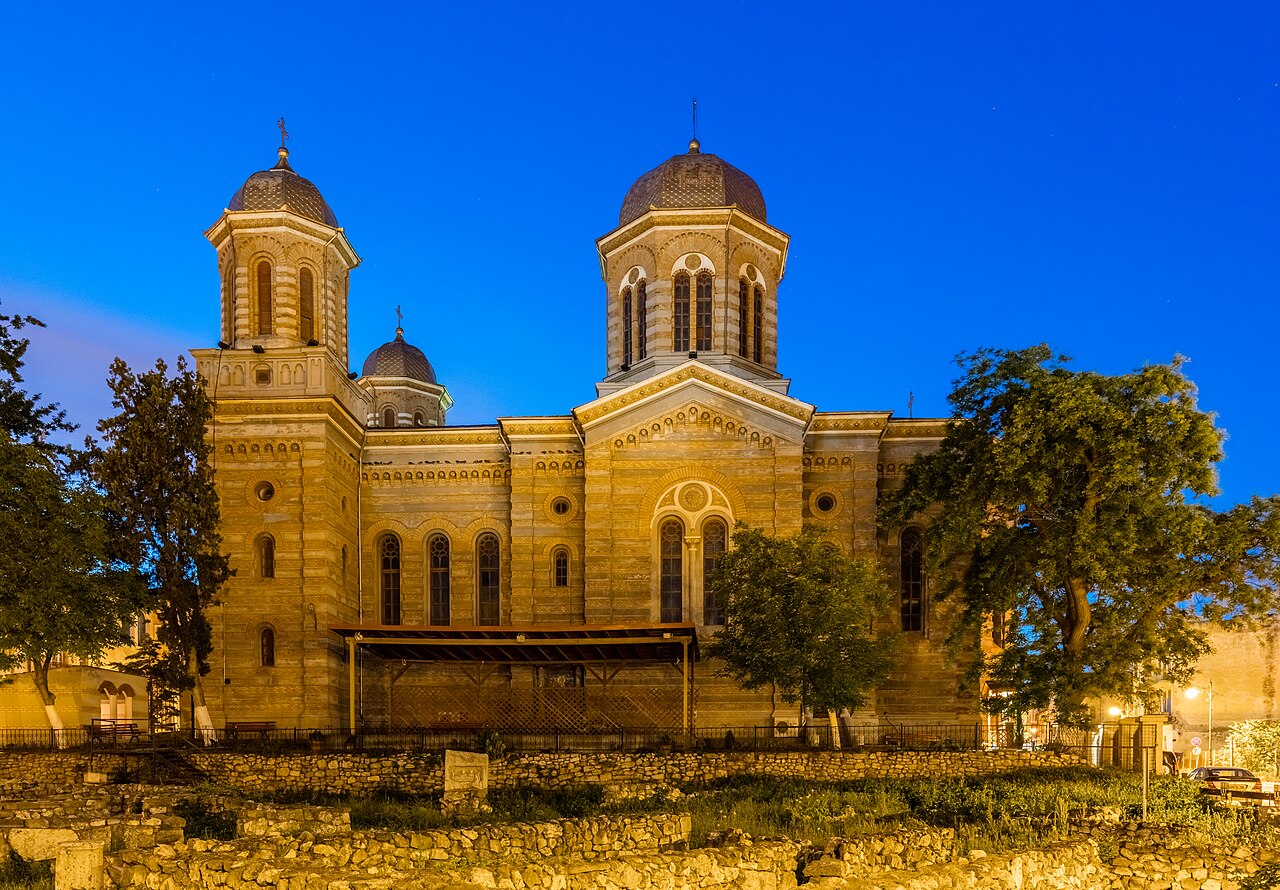
After 1878, when Dobrogea returned to Romania, Constanța needed a large church on the peninsula. The Cathedral of the Holy Apostles Peter and Paul was raised between 1883 and 1885,…
From the canal, before you dock at Sulina, you see the tower of the cathedral with the dedications of Saint Nicholas and Saint Alexander. Nicholas is the patron of sailors; Alexand…
At Dumbrăveni, in the south of Constanța County, the limestone shelters an ensemble of little churches and cells cut into the rock. Archaeologists date them, broadly, to the 9th–10…
In 1962, during extension works at the “Mihai Eminescu” National College on Boulevard Ferdinand no. 30, the rooms of a basilica crypt from the fifth and sixth centuries came to lig…
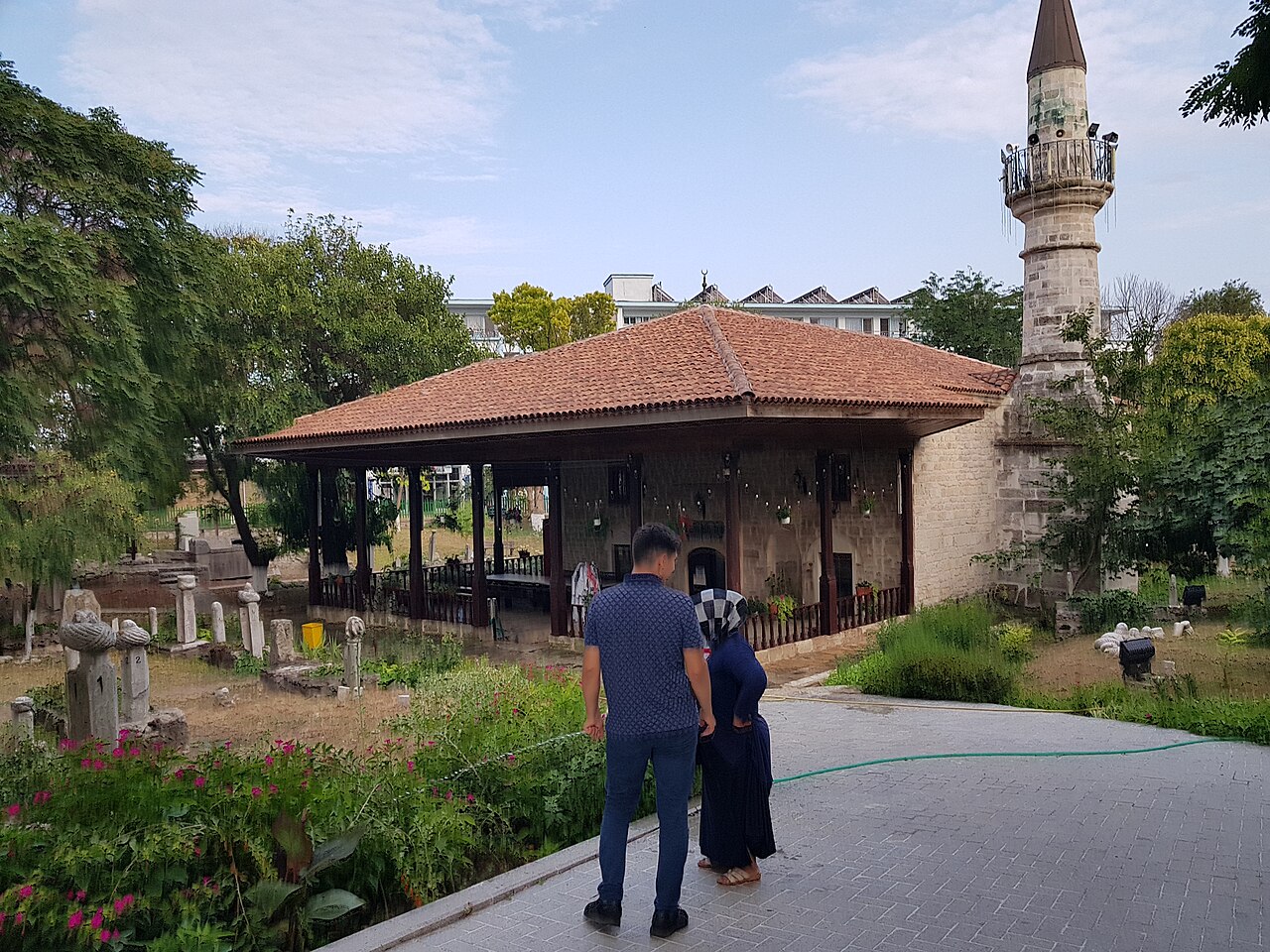
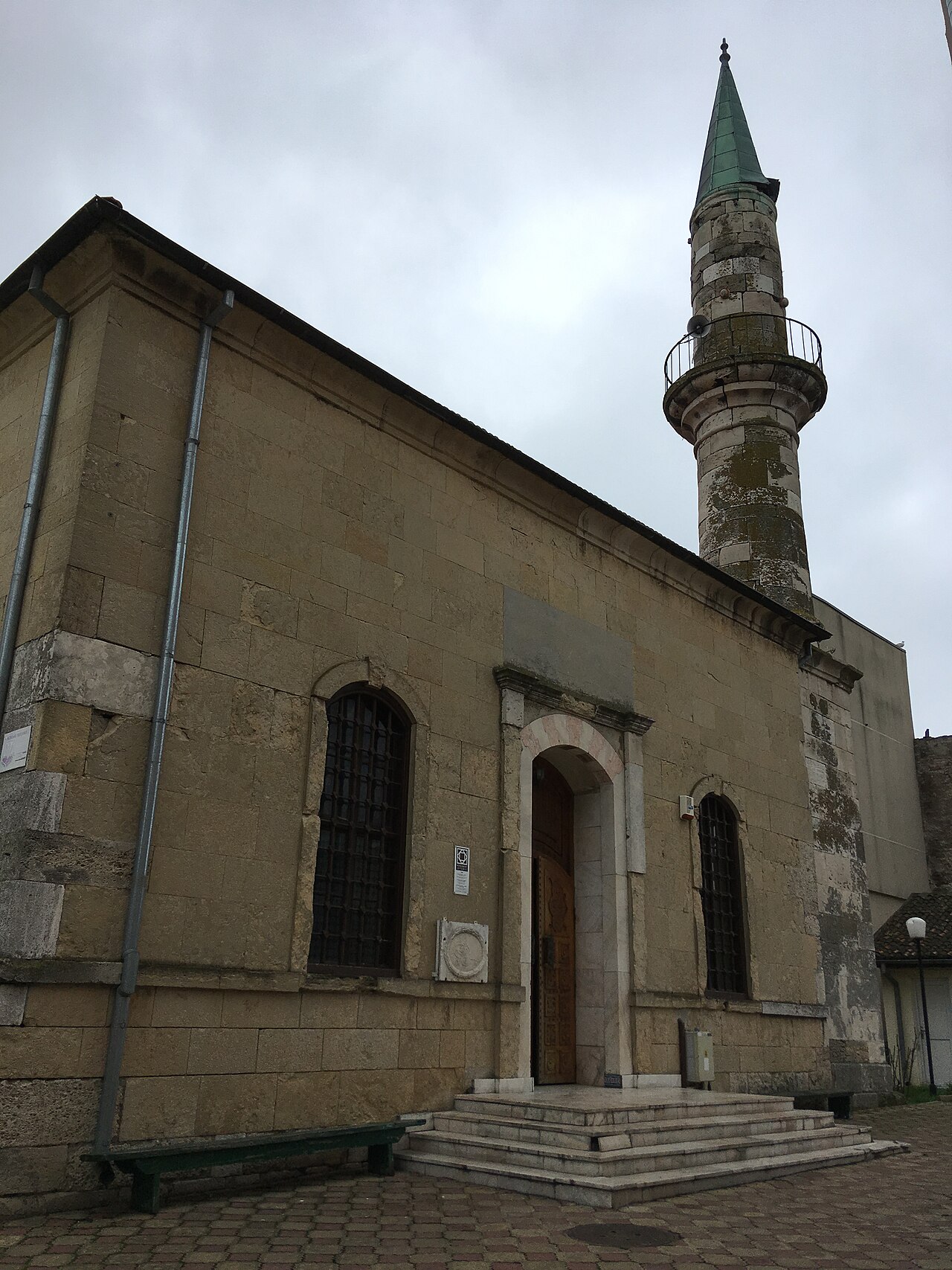
In 1575, Esmahan Sultan - daughter of Selim II and wife of the grand vizier Sokollu Mehmed Pasha - funded a mosque in Mangalia. It is the oldest surviving Muslim place of worship i…
After the Crimean War (1853–1856), Sultan Abdul-Medjid ordered a new town for the Tatars who had come from Crimea. Medgidia was laid out on a plan, and the great mosque was built i…
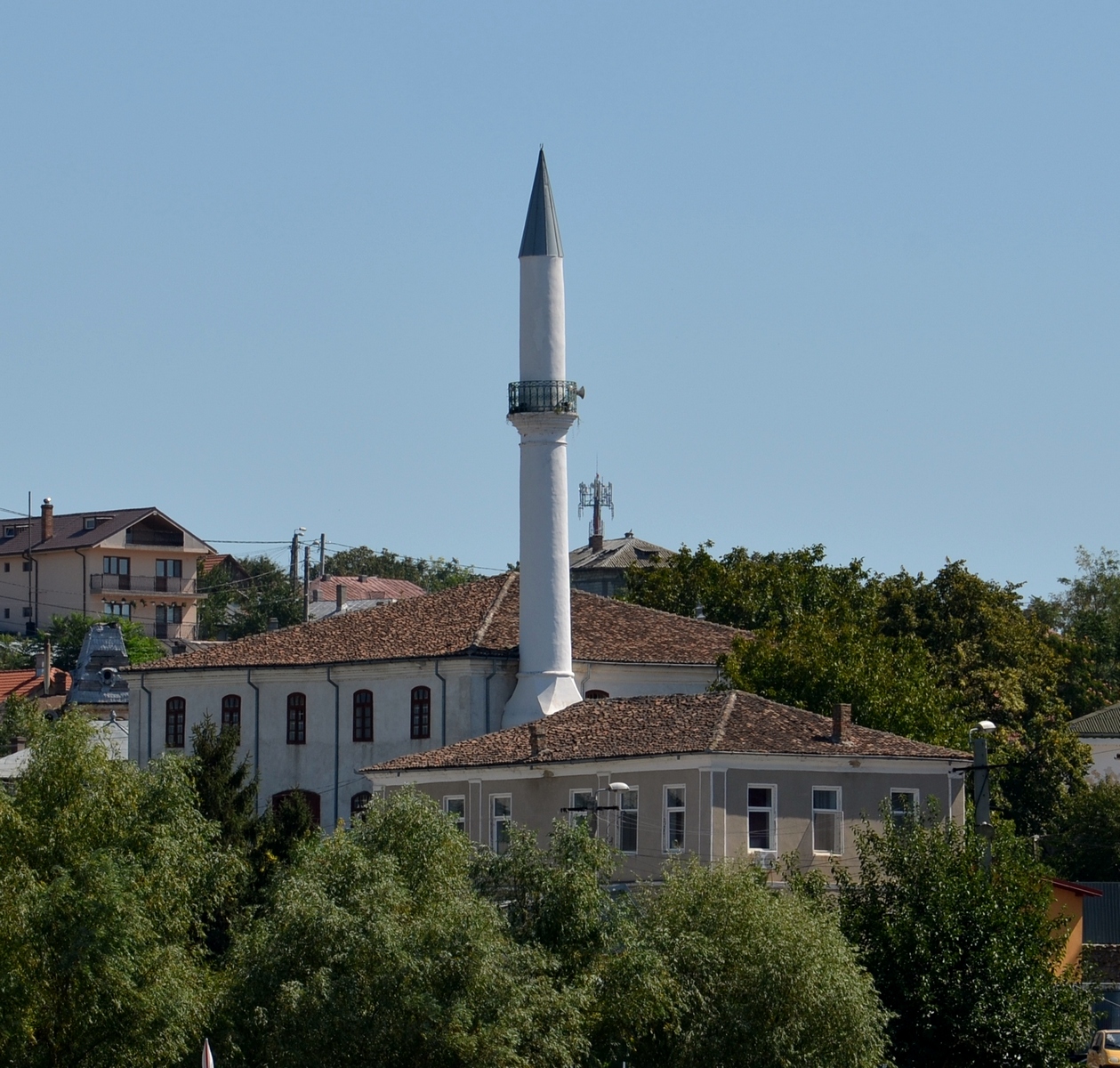
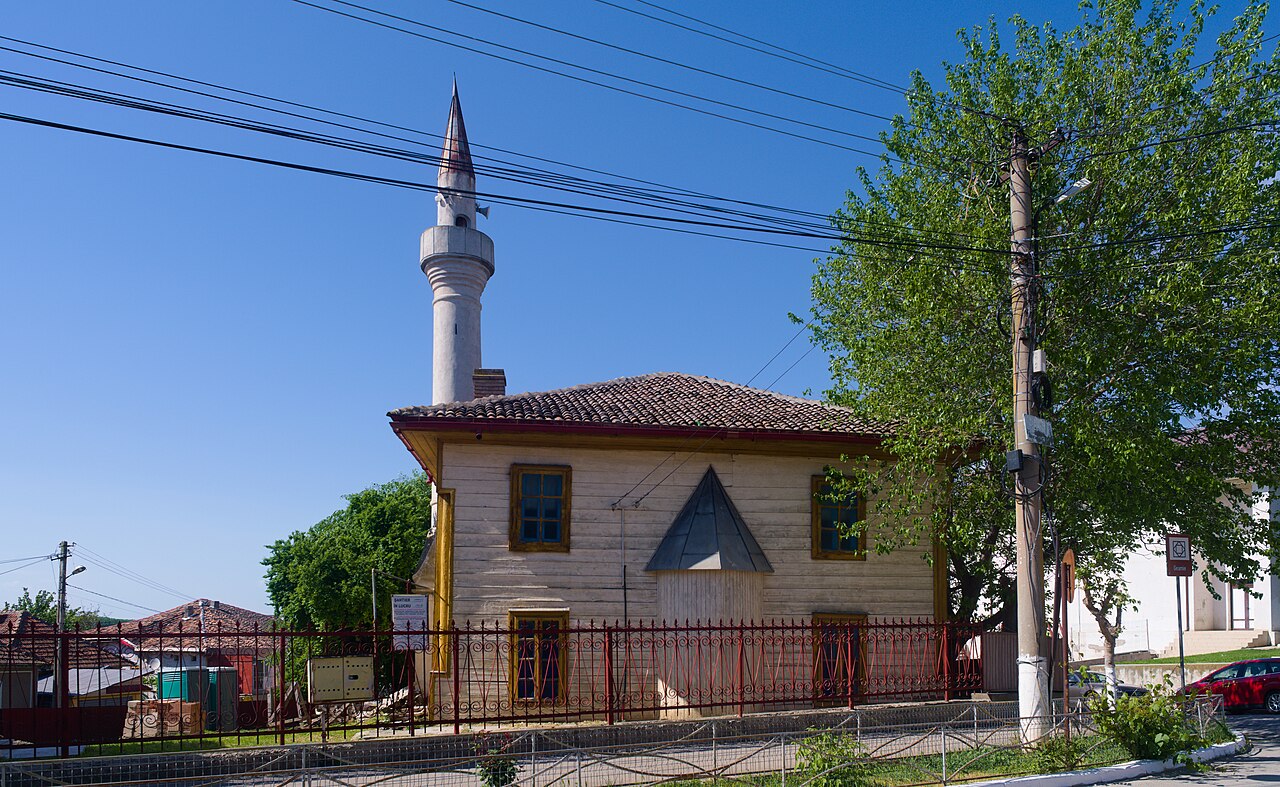
Sultan Abdul Aziz ordered, in 1863–1865, a mosque next to the Turkish quarter in Tulcea. It had a school beside it. The roof is of tile, the minaret is tall for the scale of the to…
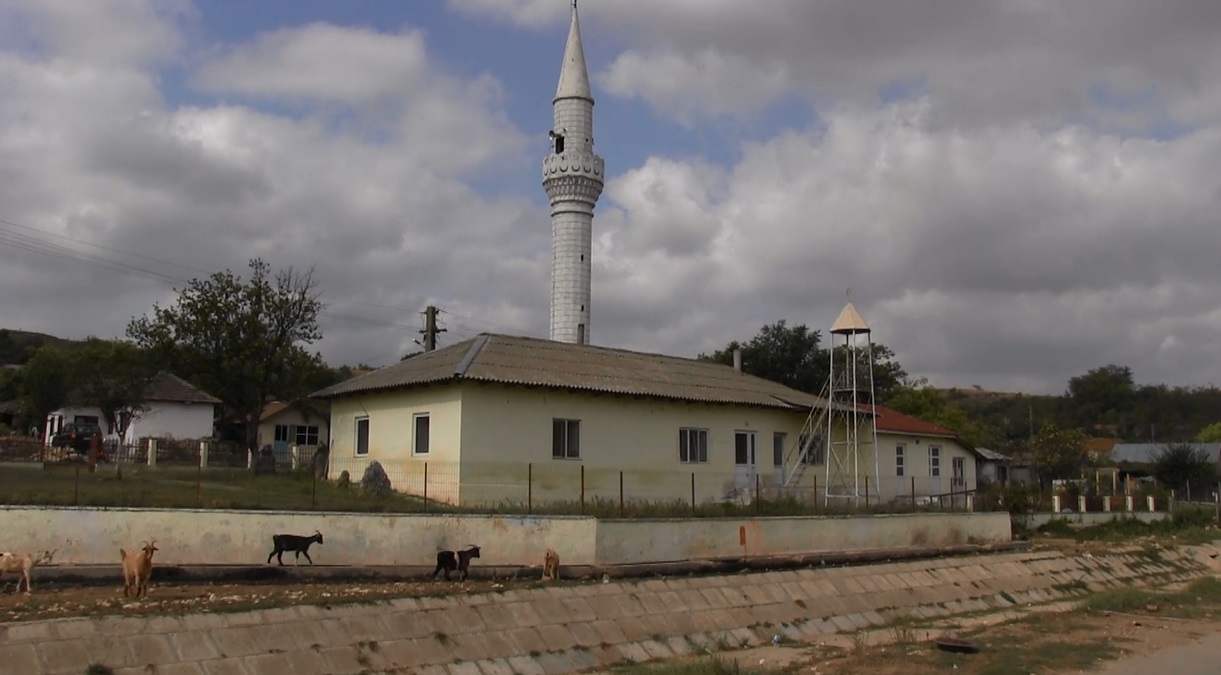
The mosque in the village of 2 Mai was finished in 2006, for the Muslims of the locality and of the villages around — Vânători, Tatlageac, Hagieni, Albești, Moșneni. The hall holds…
The village in Limanu commune was founded in 1824, most likely by Crimean Tatars coming from the Crimean Peninsula after the Khanate fell under the Russian Empire, in 1783. The old…
Fântâna Mare, Bașpînar in Turkish, is a village in Independența commune lived in almost only by ethnic Turks. The mosque has held the community together for generations; traces of…
At 41 Tomis Boulevard, between 1861 and 1869, in the time of Sultan Abdul Aziz, the mosque called Hunkiar (or Aziziye) was built. It is the oldest Muslim place of worship remaining…
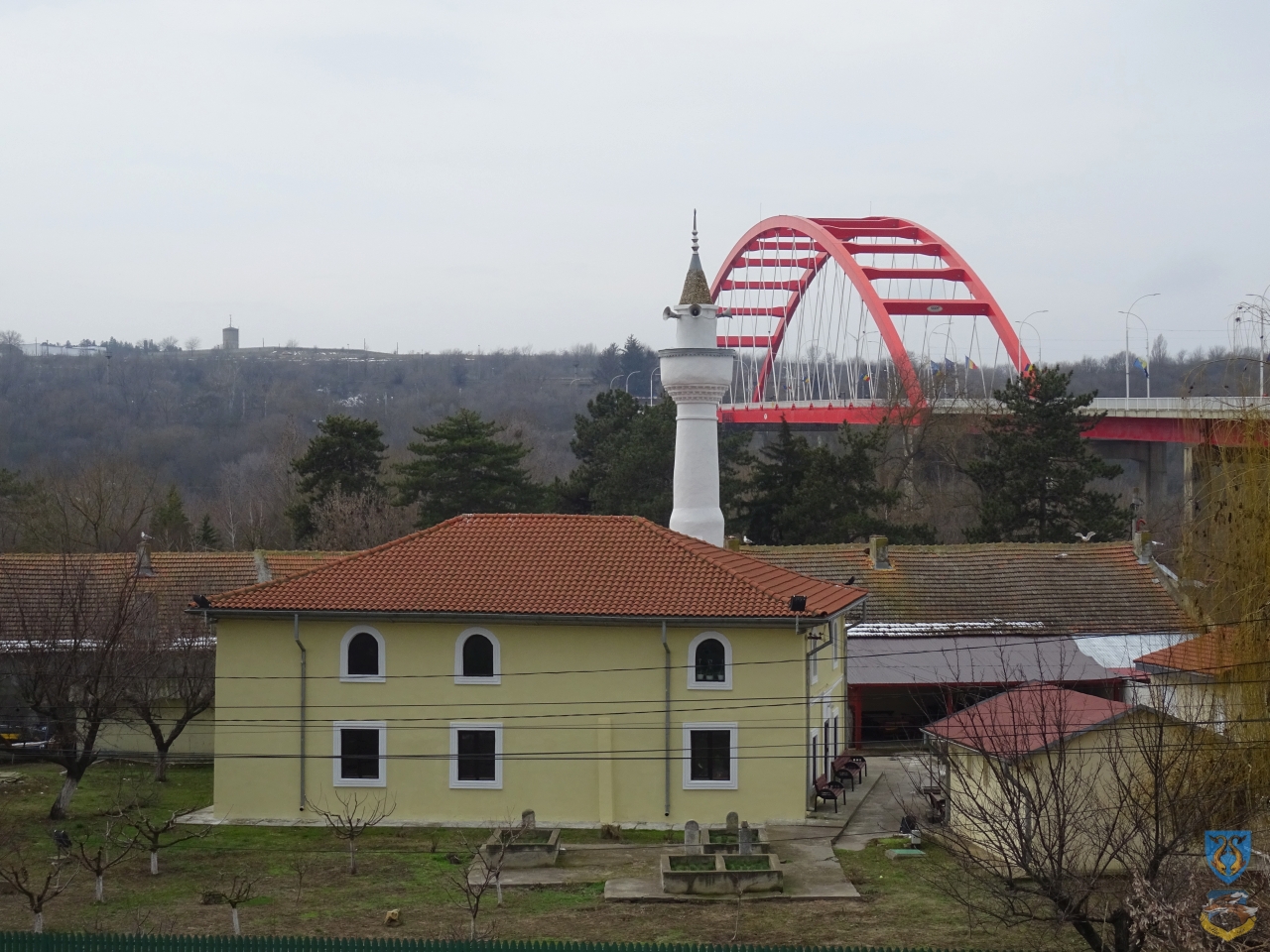
At 19 1 Decembrie Street, in the centre of Isaccea, stands the mosque tied to Mahmud Yazîcî - Mahmud Efendi, a scholar from a family of yazîcî, that is, scribes. The walls most lik…
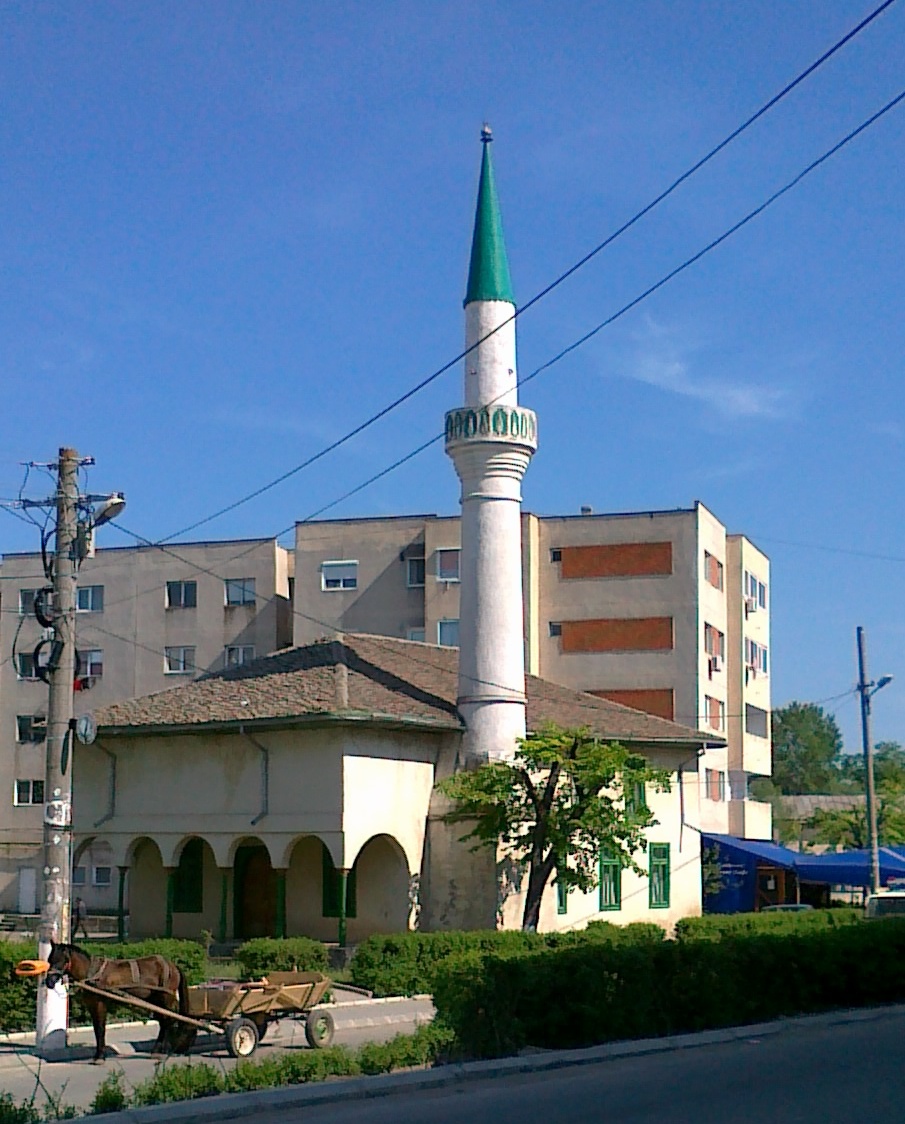
The mosque in Cernavodă, tied to the name of Memet Efendi, is dated to the 18th century - local tradition says 1756, in the time of Osman III. It is a Category A monument, with thi…
In Măcin, the mosque raised in 1860 bears the name of Mestan Aga. The wave after the Crimean War (1853-1856) had come, when the Russian Empire pushed Muslims from southern Bessarab…
Site photos: Wikimedia Commons or the newsroom, credit on each sheet. No images from dobrogea150.ro.
Nothing found. Try another term.