Checked guide · one place = one sheet

Sites in Dobrogea

27 places found with the current filter.

Category
Clear

Active filters

27 places found with the current filter.

Aegyssus Fortress
Tulcea · Tulcea

Aegyssus Fortress

Monument Hill in Tulcea covers the fortress of Aegyssus. The name is Celtic; Ovid, from his exile at Tomis, mentions it as an old town attacked by the Getae. The Romans held the pl…

Fortresses Archaeological heritage
Albești Fortress
Constanța · Albesti

Albești Fortress

At Albești, between Callatis and Dionysopolis, archaeologists have opened a fortified settlement lived in mainly in the fourth and third centuries BC. The first enclosure, around t…

Fortresses Archaeological heritage
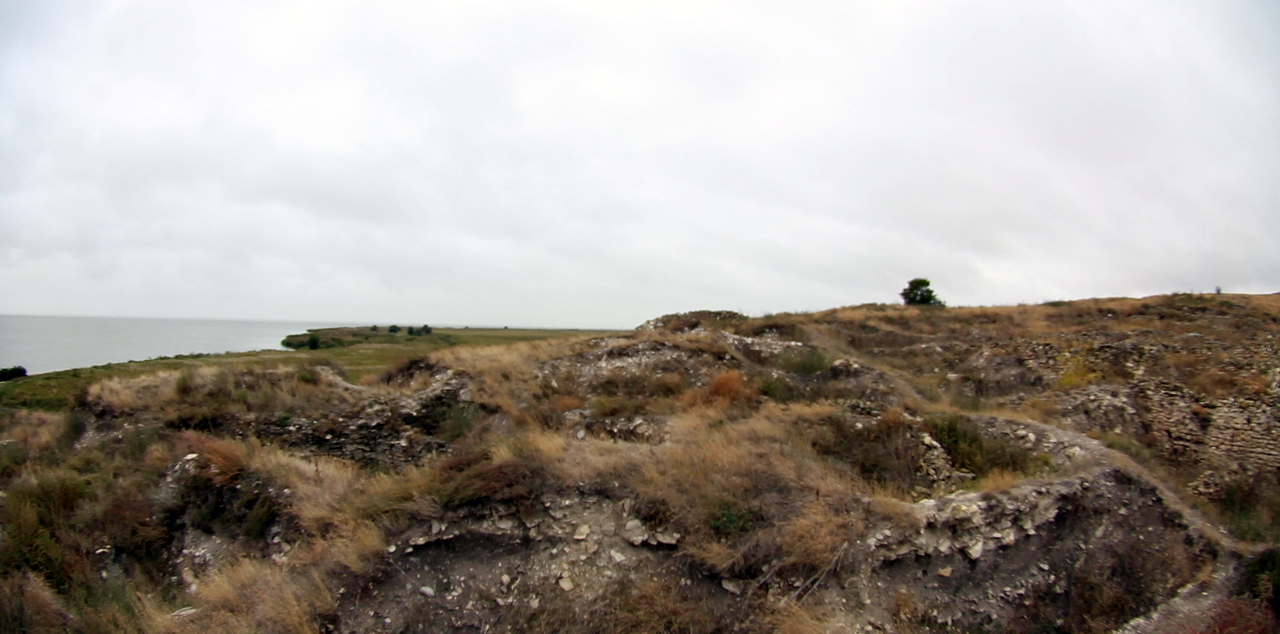
Argamum Fortress
Tulcea · Jurilovca

Argamum Fortress

On Cape Dolosman, above Lake Razim, the ruins of Argamum (ancient Orgame) stand on a limestone cliff. Settlers from Miletus came here too in the 7th century BC. An ancient source m…

Fortresses Archaeological heritage
Tulcea · Macin

Arrubium Fortress

On a spur above Măcin, the name Arrubium - of Celtic root - appears around the year 100, on two military diplomas. After Dobrogea entered Moesia Inferior, in 46, the place held a r…

Fortresses
Constanța · Cernavodă

Axiopolis Fortress

At Cernavodă, on the right bank of the Danube, Axiopolis kept its eyes on traffic and on the ford. The second-century Roman settlement was rebuilt in Byzantine times as well, becau…

Fortresses Archaeological heritage
Beroe Fortress
Tulcea · Ostrov

Beroe Fortress

On the left bank of the Danube, 3 km south of Ostrov in Tulcea County, a rock some 30 metres high holds layers from Hamangia, Noua and Babadag, then a Roman fortification linked to…

Fortresses Archaeological heritage
Constanța · Mangalia

Callatis Fortress

Mangalia stands over Callatis, a Greek colony founded in the sixth century BC. Walls of large blocks, fragments of a basilica, tombs and traces of a harbour can be seen at several…

Fortresses
Capidava Fortress
Constanța · Capidava

Capidava Fortress

The name is Getic and means, in short, the fortress at the bend. It stands on a limestone spur, between Cernavodă and Hârșova, where the Danube makes a wide loop. Trajan turned the…

Fortresses Archaeological heritage UNESCO monuments
Carsium Fortress
Constanța · Harsova

Carsium Fortress

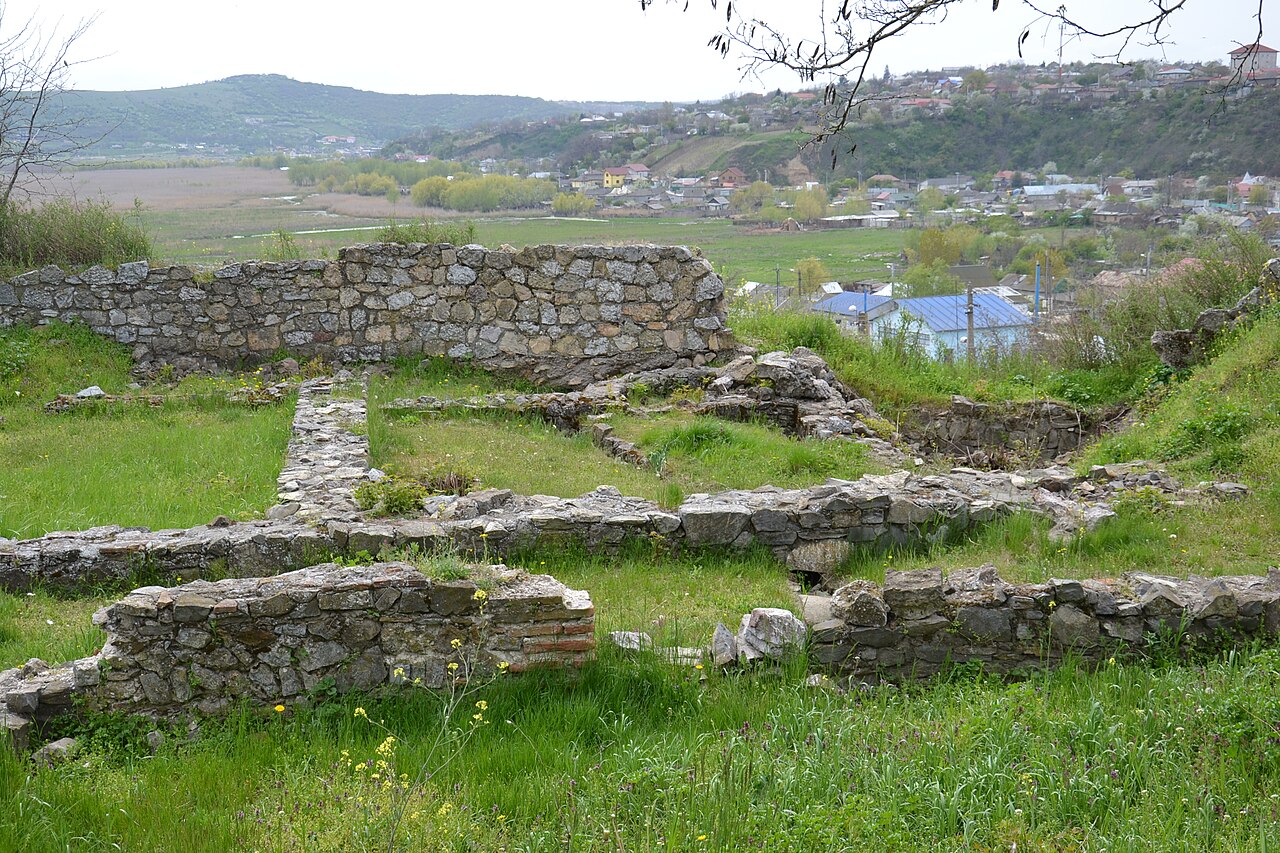
Hârșova stands on a rock above the water, and Carsium occupied exactly this headland. The Romans fortified a Getic hearth; the Tabula Peutingeriana and the Itinerarium Antonini not…

Fortresses Archaeological heritage
Constanța · Gârliciu

Cius Fortress

Some five kilometres south of Gârliciu, on the Hisarlâc plateau, stand the ruins of Cius fortress. The Romans put a guard point here on the Lower Danube already in the first centur…

Fortresses Archaeological heritage
Dinogetia Fortress
Tulcea · Garvan

Dinogetia Fortress

Bisericuța Island, near Garvan, holds the Dinogetia fortification. Under Diocletian the Romans moved here a post that had previously been on the left bank, at Barboși. Legio I Iovi…

Fortresses Archaeological heritage
Enisala Fortress
Tulcea · Enisala

Enisala Fortress

Above the village of Enisala, the stone walls look out on Lake Razim and the hills of northern Dobrogea. What you walk today is, mainly, a 13th–14th-century fortification, set at a…

Fortresses Archaeological heritage
Halmyris Fortress
Tulcea · Murighiol

Halmyris Fortress

Two kilometres from Murighiol, Halmyris was a castrum, a harbour and, from the 4th century, a Christian centre as well. The martyrs Epictetus and Astion are commemorated here. The…

Fortresses Archaeological heritage
Histria Fortress
Constanța · Constanta

Histria Fortress

Settlers from Miletus founded Histria on the shore of the Razim-Sinoe lagoon, in the second half of the 7th century BC. Eusebius of Caesarea and Skymnos place it around 657. It rem…

Fortresses
Tulcea · Slava Cercheza

Ibida Fortress

Between Slava Rusă and Slava Cercheză stretches, over some 24 hectares, the largest Dobrogean fortification researched: more extensive than Histria, Tomis or Callatis at their peak…

Fortresses Archaeological heritage
Constanța · Vadu

Karaharman Fortress

At Vadu, toward the sea, the ruins called Kara-Harman (then Caraharman) take their nickname from Turkish: “kara” is black, “harman” is a threshing floor, a circle or a mix, dependi…

Fortresses Archaeological heritage
Noviodunum Fortress
Tulcea · Isaccea

Noviodunum Fortress

On the high bank at Isaccea, before the Danube opens toward the Delta, Noviodunum was in turn a Celtic hearth, a Roman castrum, a base of the Classis Flavia Moesica, then a Byzanti…

Fortresses Archaeological heritage
Tulcea · Nufaru

Proslavita Fortress

On the right bank of the Sfântu Gheorghe branch, at Nufăru, the Byzantines raised at the end of the tenth century a fortification to control the ford. John Tzimiskes was then settl…

Fortresses Archaeological heritage
Constanța · Aliman

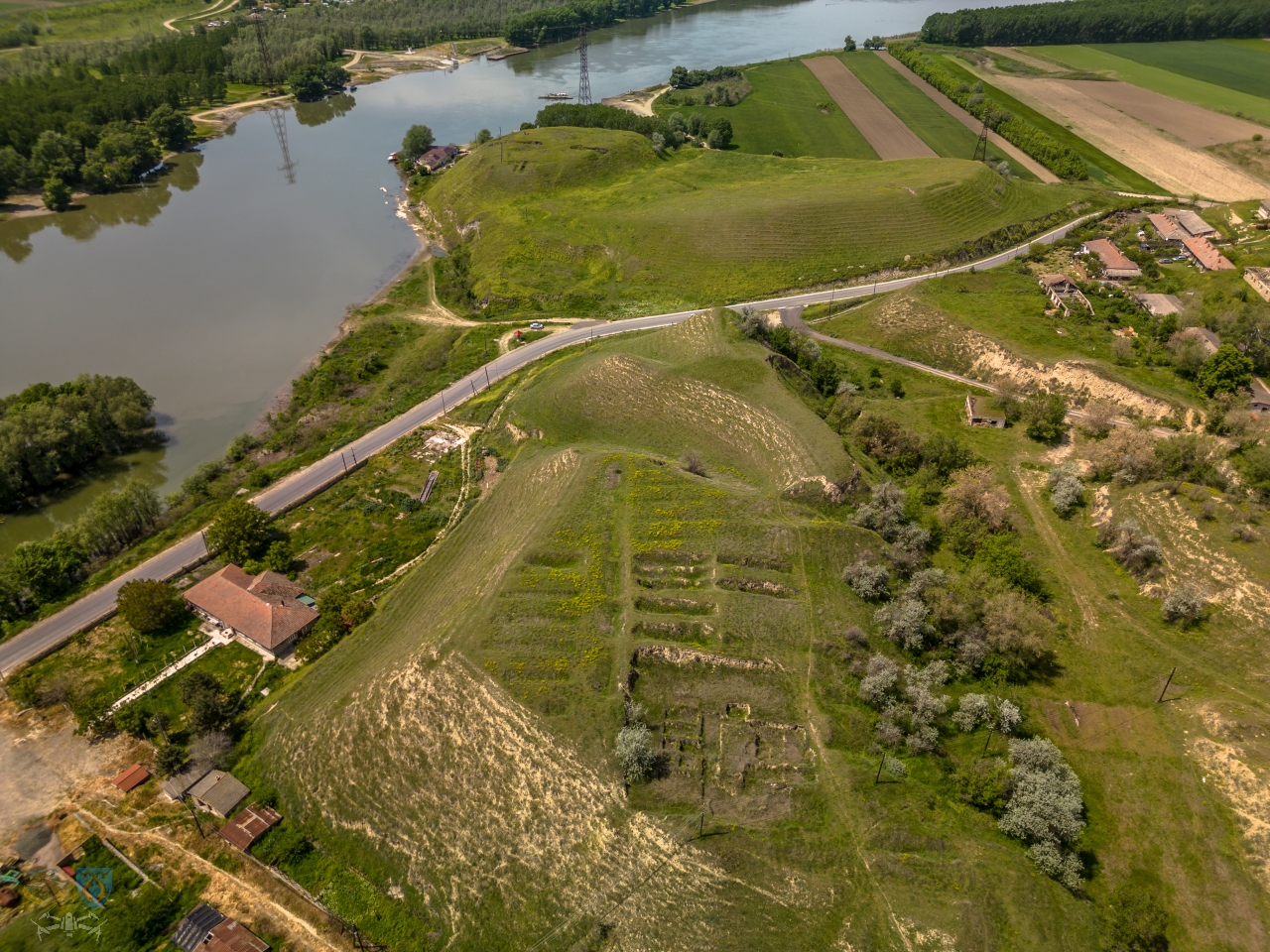
Sacidava Fortress

Musait Hill, between Rasova and Dunăreni, holds the ruins of Sacidava. From Aliman it is about 8 kilometres on a dirt road. The Romans placed a riverside fort here, in a chain with…

Fortresses Archaeological heritage
Tulcea · Mahmudia

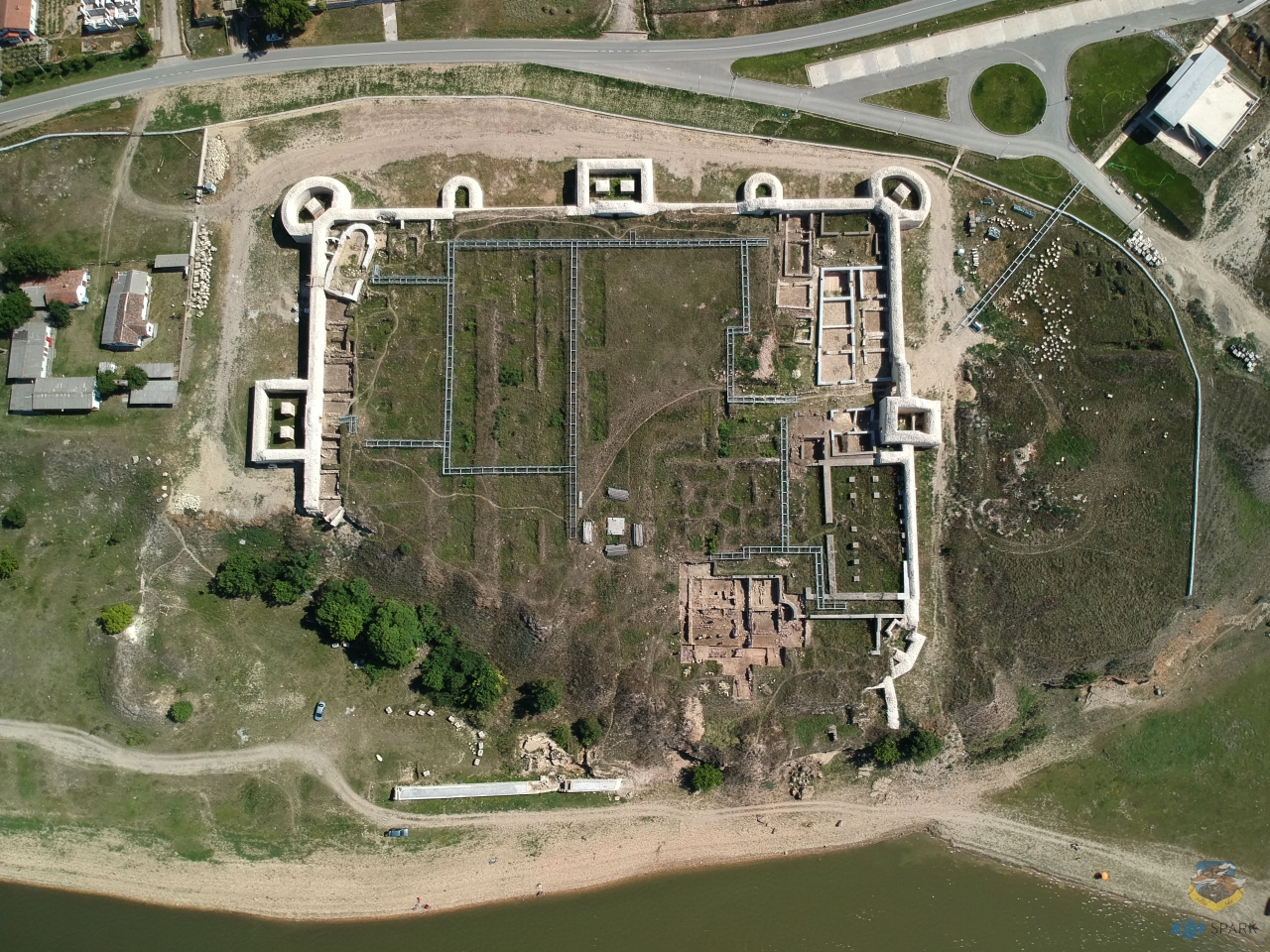
Salsovia Fortress

Near Mahmudia, the castrum named in the Antonine Itinerary and on the Tabula Peutingeriana held a point on the lower Danube branch from the second and third centuries onward. The n…

Fortresses Archaeological heritage
Constanța · Izvoarele

Sucidava Fortress at Izvoarele-Pârjoaia

Some three kilometres from Izvoarele, on the terrace above the Danube, the walls of Sucidava read in the grass. It is a late Roman fortification, fourth to sixth centuries, a guard…

Fortresses Discover nature
Tulcea · Turcoaia

Troesmis Fortress

At Turcoaia, on the Iglița and Râioasă hills, stood Troesmis - first a Getic settlement, then a Roman castrum and town, from the 2nd century into the 7th. From here a long stretch…

Fortresses Archaeological heritage
Tropaeum Traiani Fortress
Constanța · Adamclisi

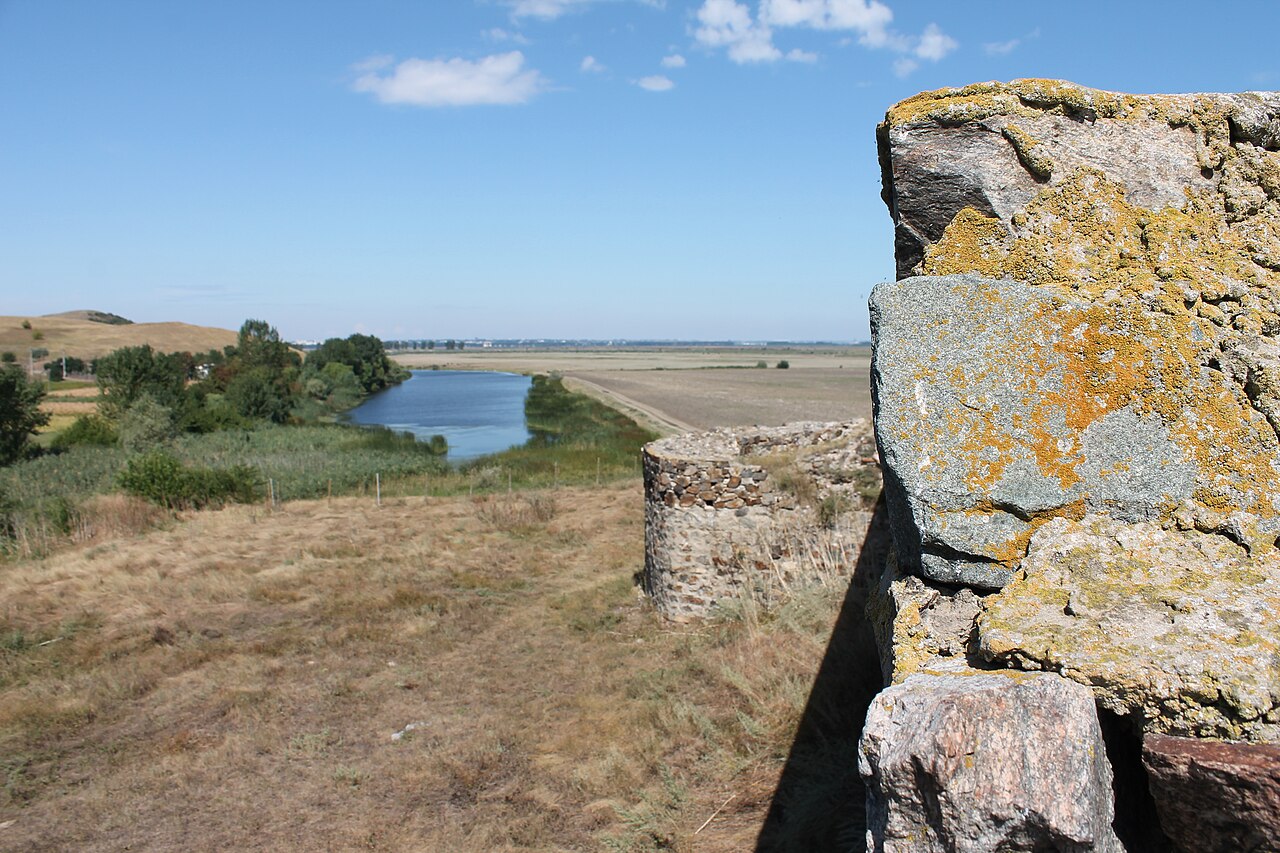
Tropaeum Traiani Fortress

The fortress stands some 600 metres southwest of the village of Adamclisi and about 1,500 metres from the monument on the hill, on the Urluia valley. Trajan settled families of vet…

Fortresses Archaeological heritage
Constanța · Pantelimon

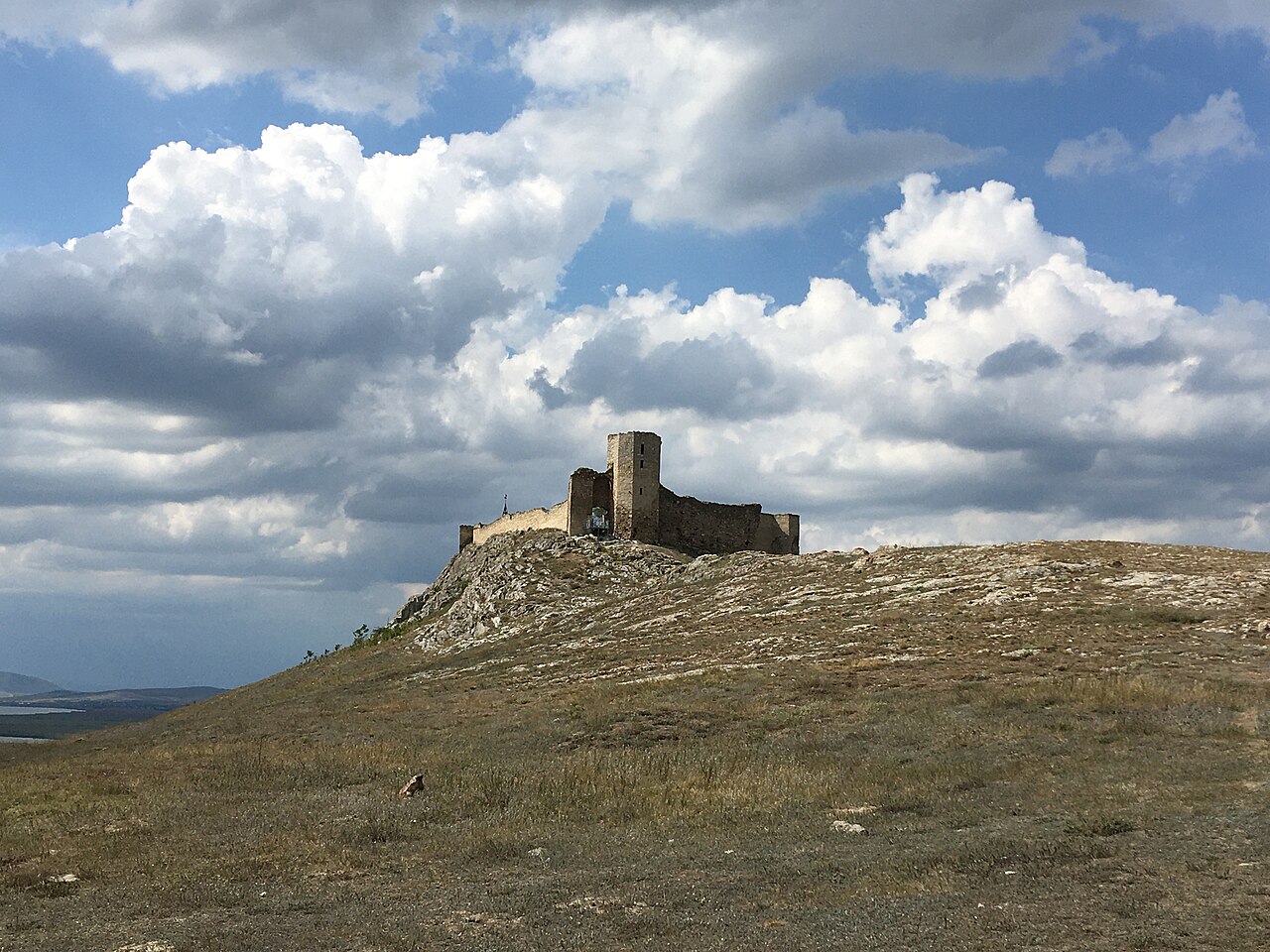
Ulmetum Fortress

About 54 kilometres from Constanța, above Pantelimonul de Sus, the walls of Ulmetum stand on a plateau cut by ravines. The Romans fortified the place in the 4th–6th centuries, on a…

Fortresses Archaeological heritage
Constanța · Plopeni

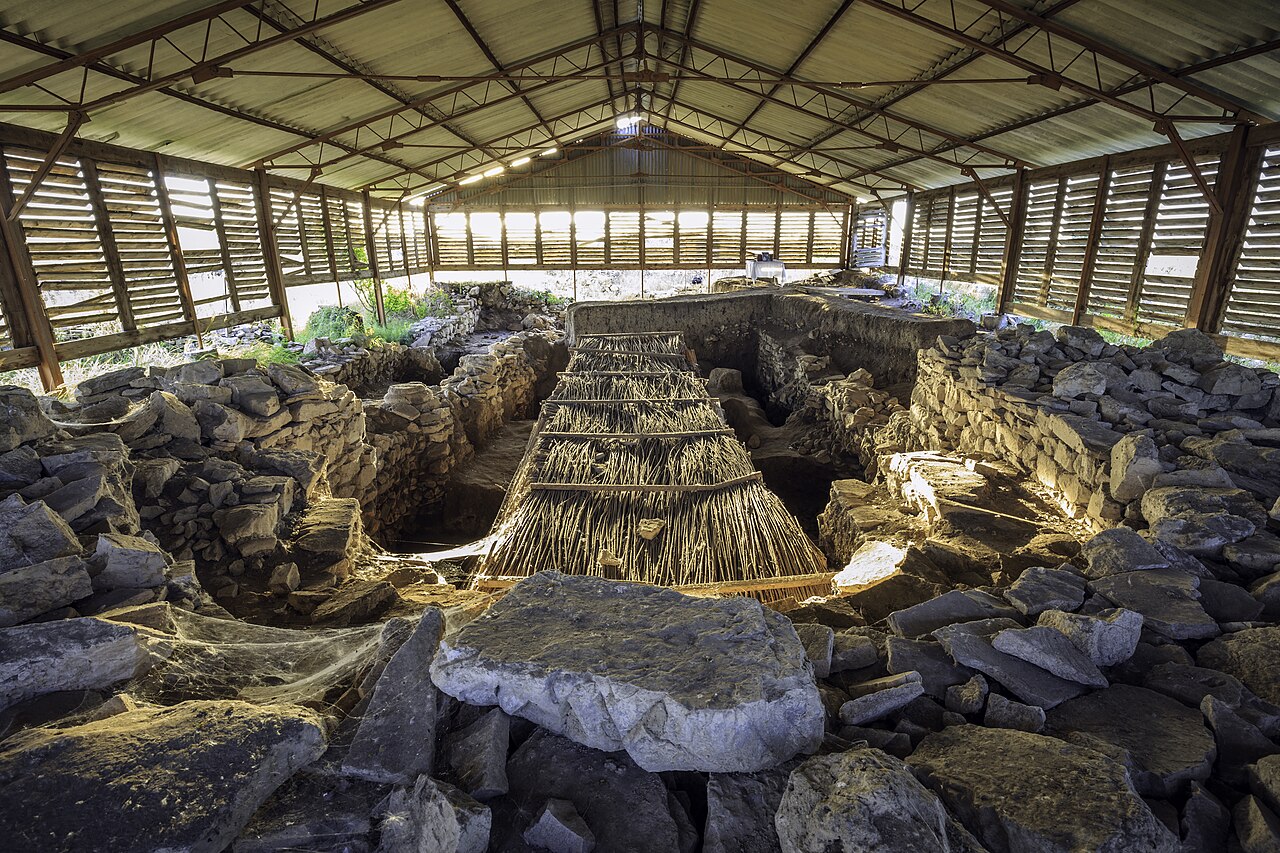
Romano-Byzantine Fortification

At Plopeni, between the fourth and sixth centuries, a fortification on the late Roman line was in use, then taken over by the Byzantine administration. It guarded roads and village…

Fortresses Archaeological heritage
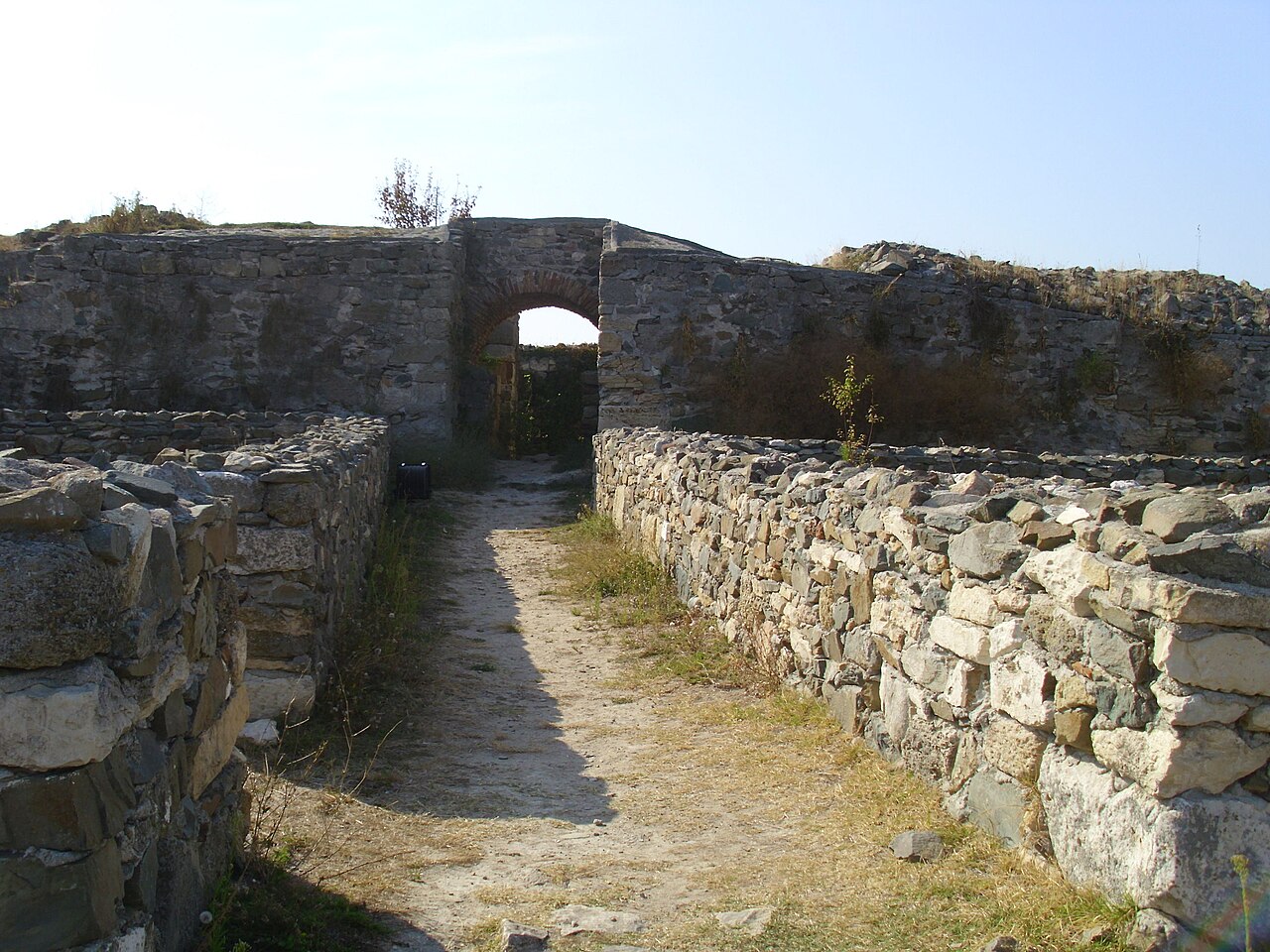
Constanța · Ostrov

Păcuiul lui Soare

Some nine kilometres downstream from Ostrov, the Danube holds an island you reach only with the boats of locals. Păcuiul lui Soare keeps the walls of a Byzantine fortification link…

Fortresses Archaeological heritage
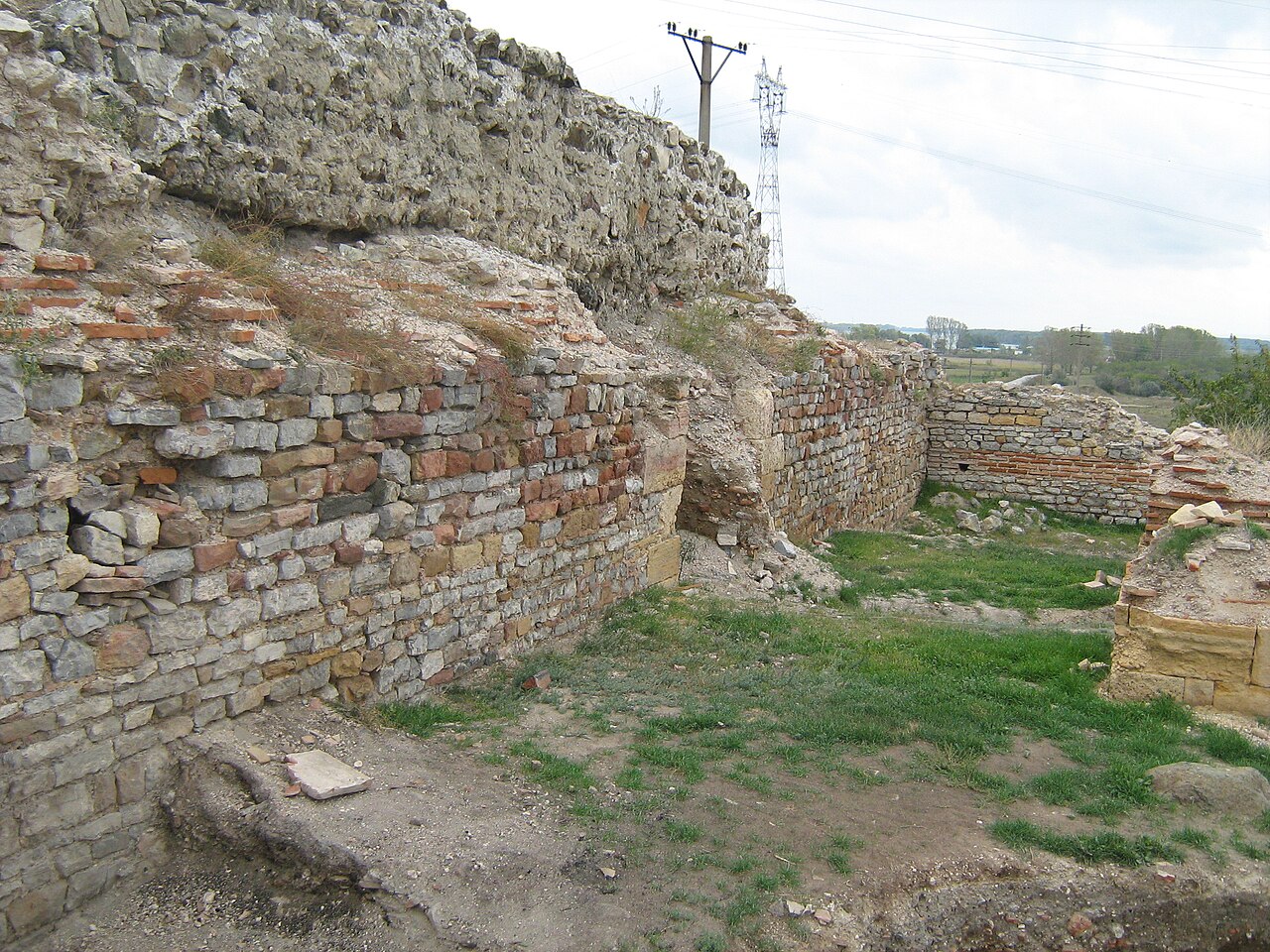
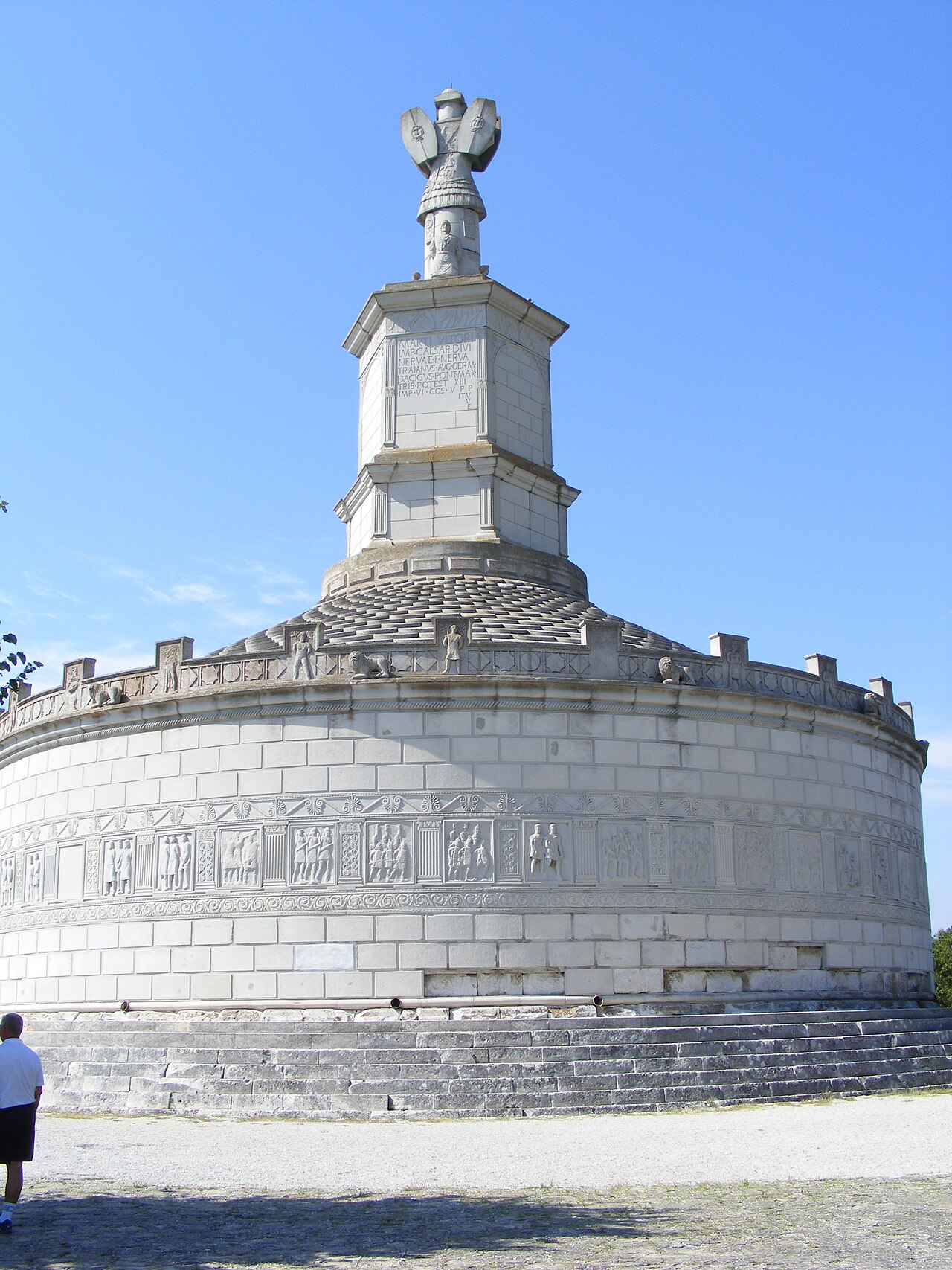
Tropaeum Traiani
Constanța · Adamclisi

Tropaeum Traiani

After the campaigns of 102–106, Trajan ordered a monument on a 150-metre hill at Adamclisi. Tropaeum Traiani was raised between 106 and 109: a stone cylinder with metopes, nearly 4…

Fortresses Archaeological heritage
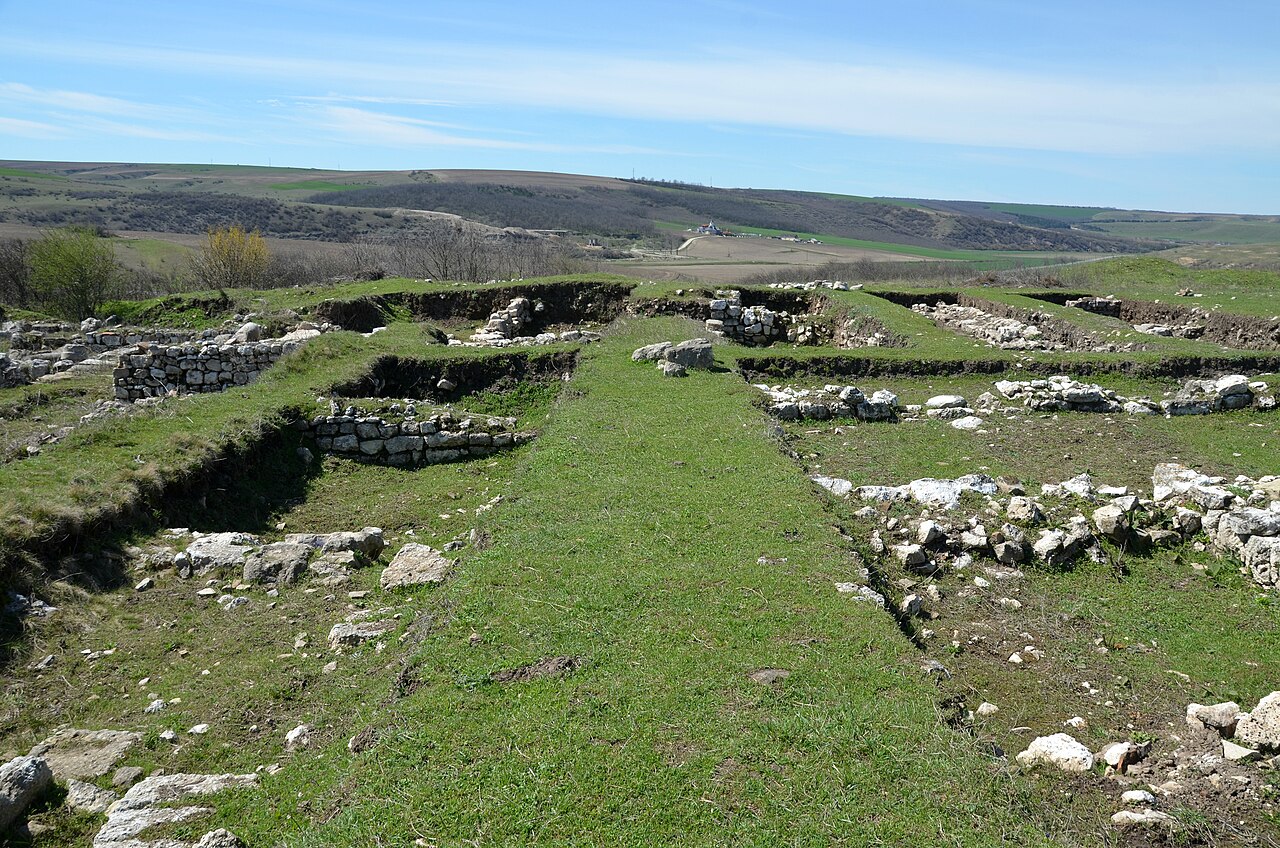
Site photos: Wikimedia Commons or the newsroom, credit on each sheet. No images from dobrogea150.ro.

Favourites stay only on your phone, they are not saved. Create an account to keep them.