History
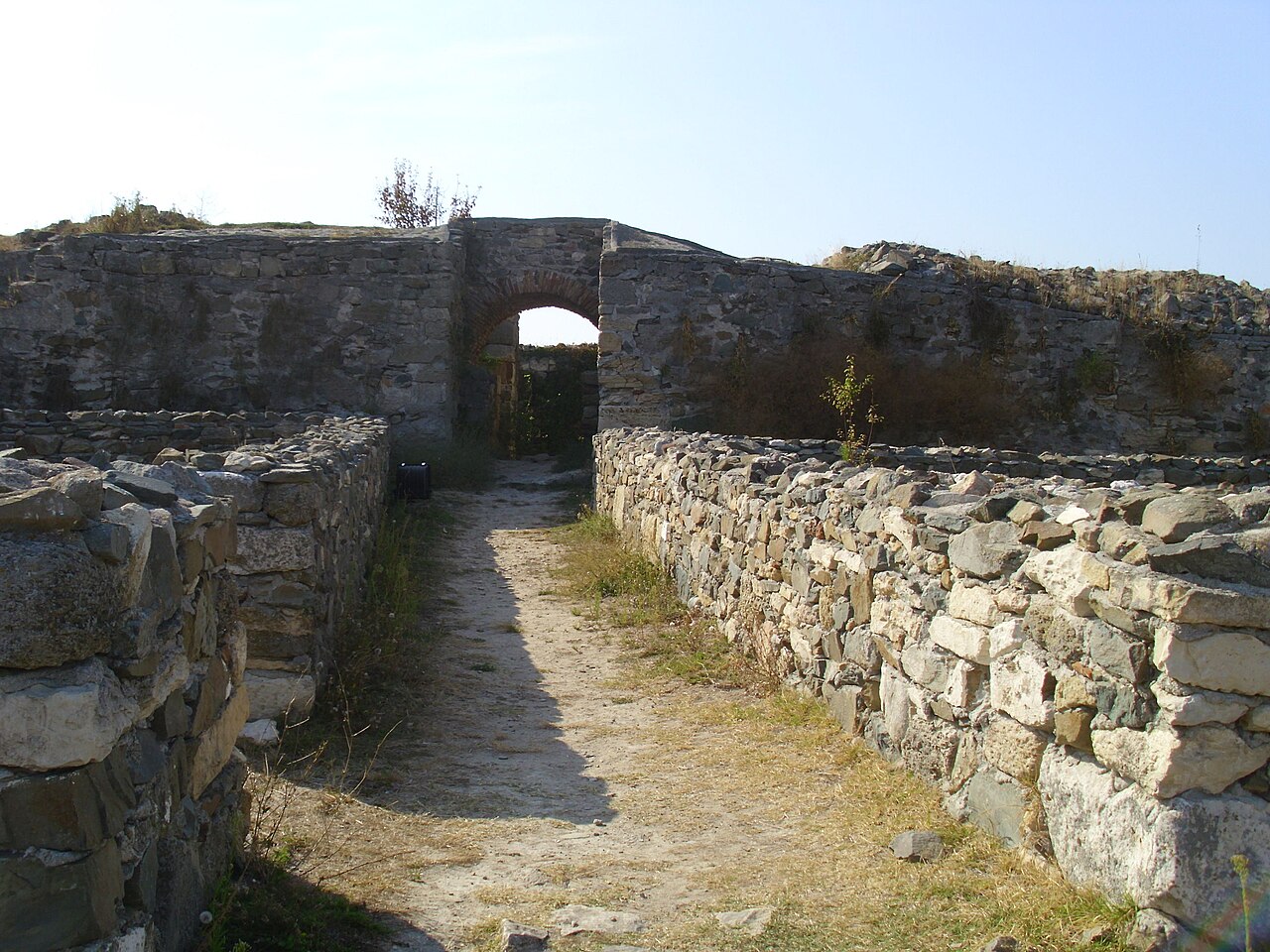
At Vadu, toward the sea, the ruins called Kara-Harman (then Caraharman) take their nickname from Turkish: “kara” is black, “harman” is a threshing floor, a circle or a mix, depending on who translates. Evliya Çelebi mentions it in his passages; tradition also ties the place to Sari Saltuk and to the times of Bayezid.
It is not a restored fortress with walkways. There are earth banks, stones and a field beaten by wind, a stone's throw from the wild beach. In winter it is empty; in summer, tourists from Vadu pass toward the water and go around the walls without knowing what they are.
Take a GPX map, do not count on a sign. After the ruins, stay on the shore: the explanation of the place is the line between lagoon, sandbar and sea, not a tower still standing.
On the map
The pin marks this site.
Curiosities nearby
01 / 06
Constanța este cel mai vechi oraș locuit continuu de pe teritoriul României: peste 2.500 de ani de la întemeierea Tomisului.
02 / 06
Cazinoul din Constanța a găzduit ruleta doar câteva decenii, dar a fost spital în ambele războaie mondiale.
03 / 06
Farul genovez din Constanța amintește de negustorii Genovei, care în secolul XIII controlau comerțul întregii Mări Negre.
04 / 06
Portul Constanța e cel mai mare port la Marea Neagră și s-a construit după planurile aceluiași Anghel Saligny care a proiectat podul de la Cernavodă.
05 / 06
Granitul din Măcin a pavat Bucureștiul și Constanța: pietrarii italieni din Friuli, așezați în satul Greci, l-au tăiat generații la rând.
06 / 06
Canalul Dunăre-Marea Neagră scurtează drumul navelor spre Constanța cu aproape 400 km și e printre cele mai mari lucrări de terasamente din istorie, comparabilă cu Canalul Suez.
Nearby (25 km)
Community
No approved reviews yet.
No approved comments yet.