History
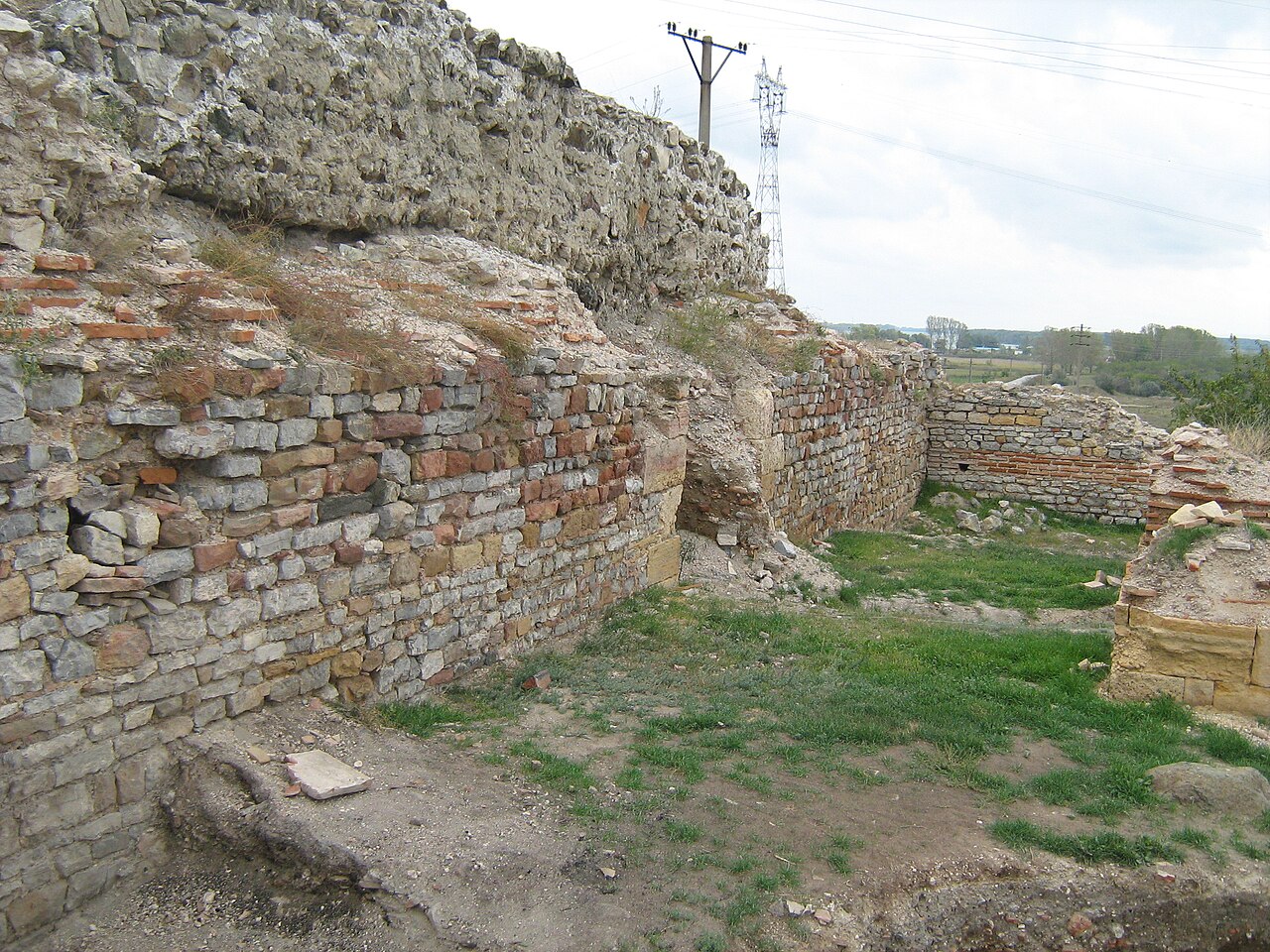
On the high bank at Isaccea, before the Danube opens toward the Delta, Noviodunum was in turn a Celtic hearth, a Roman castrum, a base of the Classis Flavia Moesica, then a Byzantine point. In 602 the frontier here was weakened by attacks. Later came Tatars of the Golden Horde and troops from Wallachia.
Today you see fragments of wall and terraces above the water. The name, of Celtic root, means roughly "the new fortress". Local tradition ties the ford to the crossing of Darius, further down the river.
The climb from town is not long. After the visit, go down to the harbour: the ferry shows you why the place was always a crossing point.
On the map
The pin marks this site.
Curiosities nearby
01 / 06
Satul Greci din județul Tulcea e „mica Italie" a României: pietrarii veniți din Friuli la 1880 și-au păstrat până azi numele, rețetele și biserica catolică.
02 / 06
Noviodunum (Isaccea) a găzduit flota romană Classis Flavia Moesica: nave de patrulare pe Dunăre.
03 / 06
Evreii dobrogenei au avut sinagogi la Constanța, Tulcea și Babadag: comunitatea a contribuit la dezvoltarea porturilor.
04 / 06
Tulcea e singurul municipiu din România aflat pe malul Dunării, la intrarea în Deltă.
05 / 06
La Isaccea, Dunărea are unul dintre cele mai importante vaduri naturale din sud-estul Europei: de aici au trecut armate încă din antichitate.
06 / 06
La confluența brațelor, lângă Tulcea, Dunărea poate avea debit de peste 6.000 m³/s primăvara: e unul dintre cele mai mari fluvii din Europa.
Nearby (25 km)

Community
No approved reviews yet.
No approved comments yet.