History
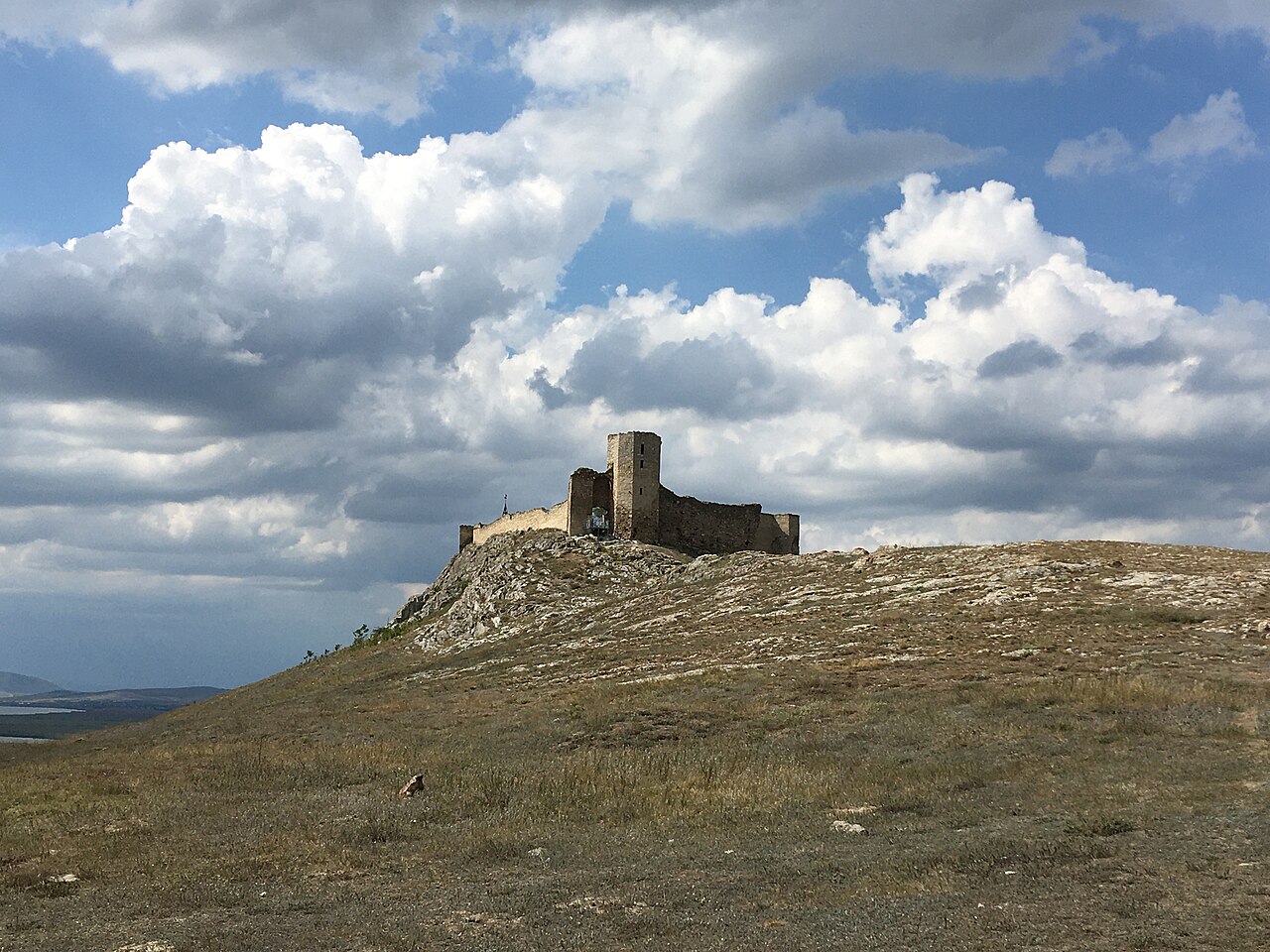
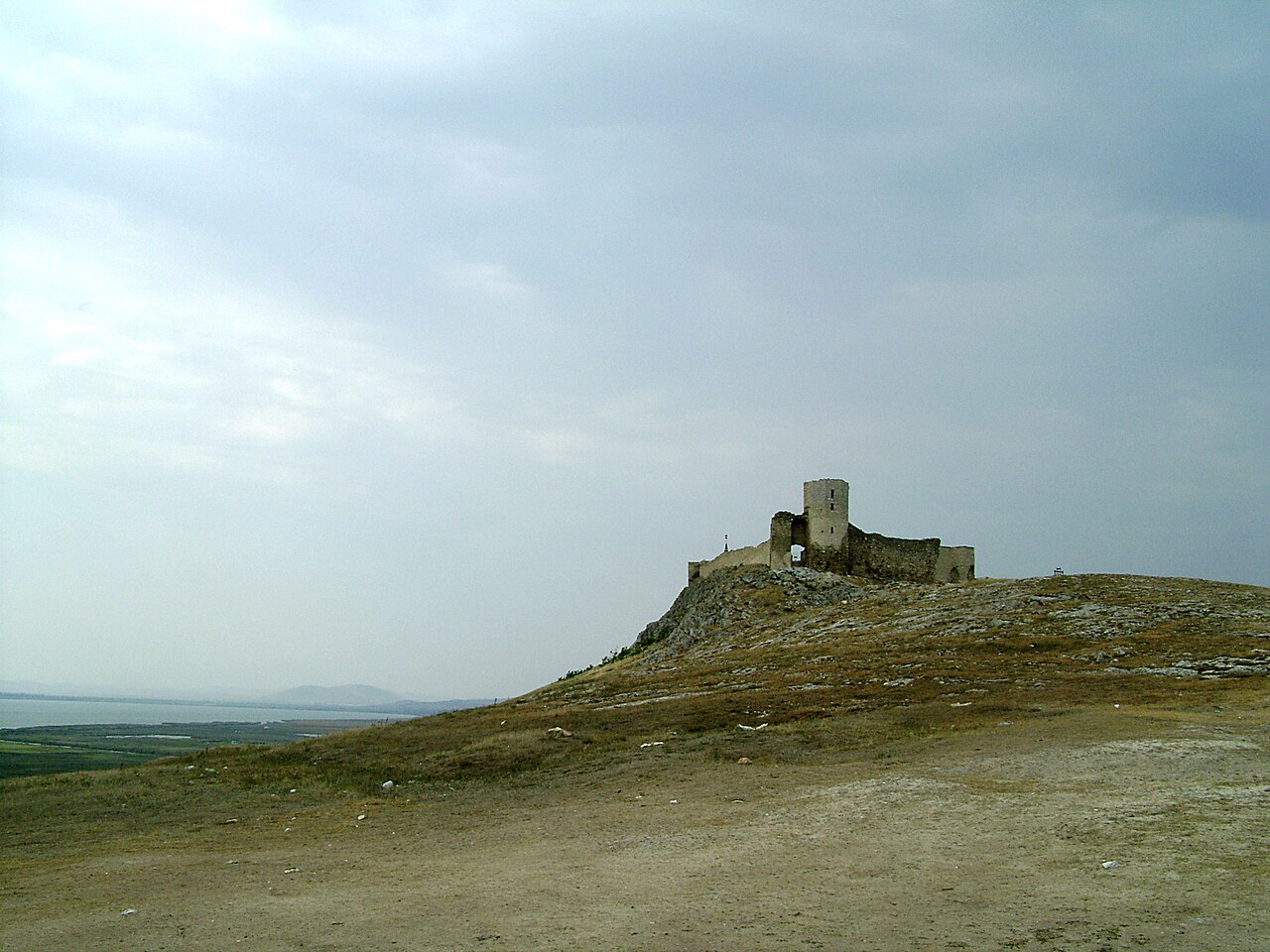
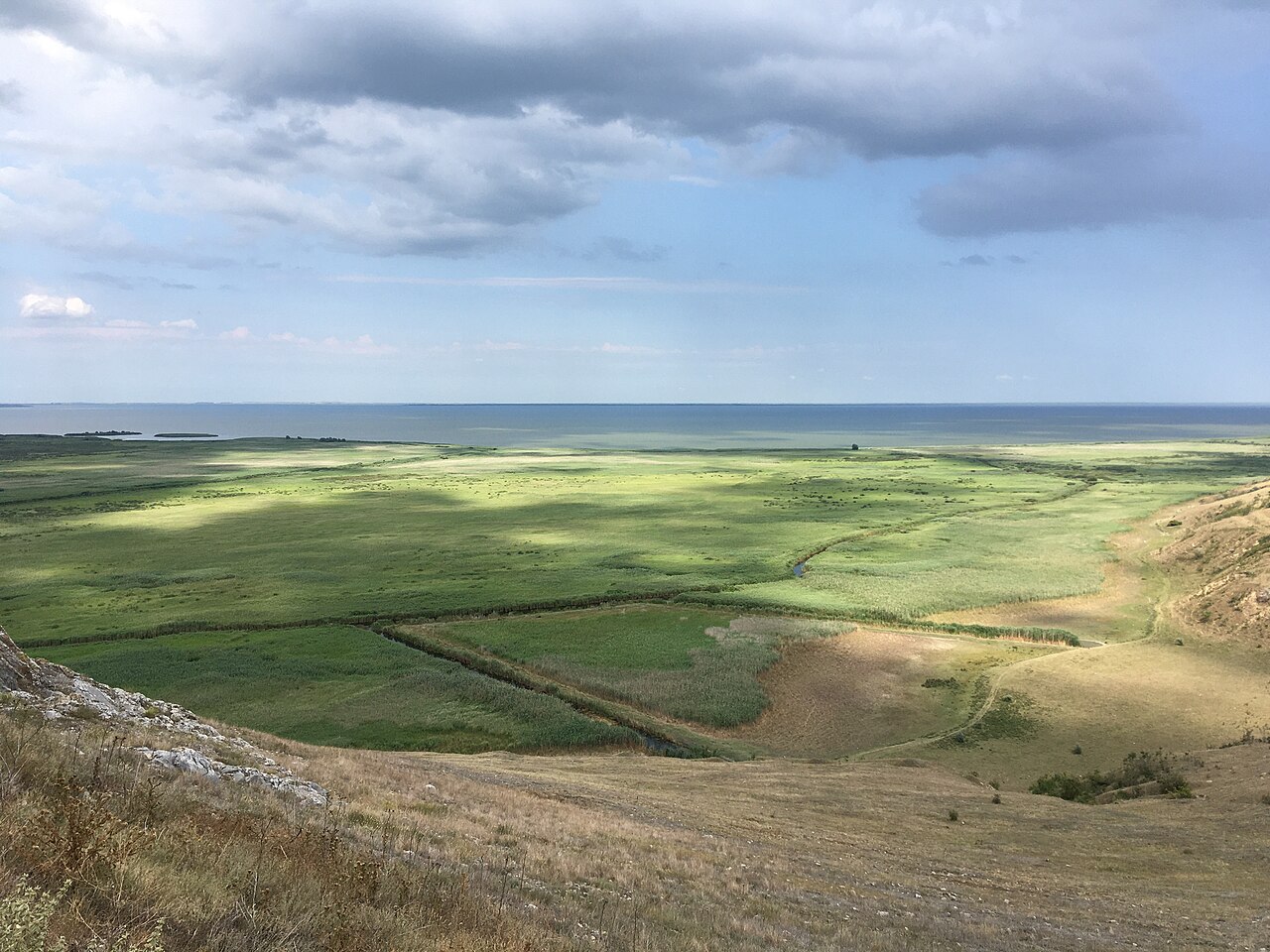
Above the village of Enisala, the stone walls look out on Lake Razim and the hills of northern Dobrogea. What you walk today is, mainly, a 13th–14th-century fortification, set at a point of interest for the Genoese. In the chronicles it appears as Yeni-Sale, Bambola or Pampolo.
Between 1397 and 1420 it belonged to Wallachia; in 1484 the Ottomans took it. The plan is irregular, clinging to the rock: two enclosures, towers, a massive gate. From the walls you see the water and the houses below.
It is one of the few medieval fortresses in Dobrogea that you can walk on the ramparts. The climb from the car park is short but steep. A summer evening is the best hour - gentler sun, long light.
On the map
The pin marks this site.
Curiosities nearby
01 / 06
Satul Greci din județul Tulcea e „mica Italie" a României: pietrarii veniți din Friuli la 1880 și-au păstrat până azi numele, rețetele și biserica catolică.
02 / 06
Enisala e singura cetate medievală dobrogeneană cu ziduri încă vizibile deasupra apei.
03 / 06
Evreii dobrogenei au avut sinagogi la Constanța, Tulcea și Babadag: comunitatea a contribuit la dezvoltarea porturilor.
04 / 06
Tulcea e singurul municipiu din România aflat pe malul Dunării, la intrarea în Deltă.
05 / 06
La confluența brațelor, lângă Tulcea, Dunărea poate avea debit de peste 6.000 m³/s primăvara: e unul dintre cele mai mari fluvii din Europa.
06 / 06
Meșteșugul coșăritului din nuiele de salcie încă se practică în Deltă: coșurile pentru pește și legume se vând la târgurile din Tulcea.
On routes
Nearby (25 km)
Community
No approved reviews yet.
No approved comments yet.