History
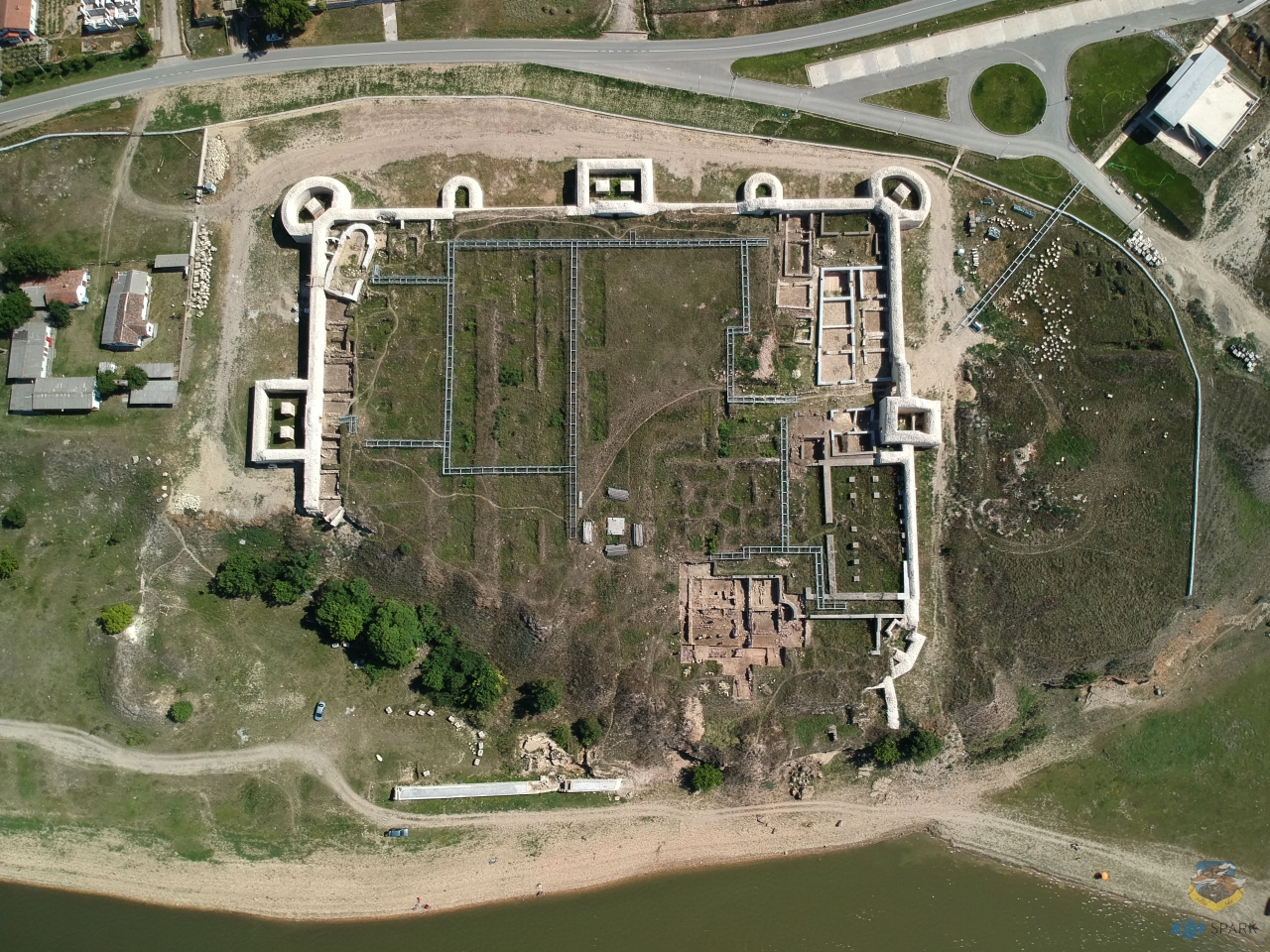
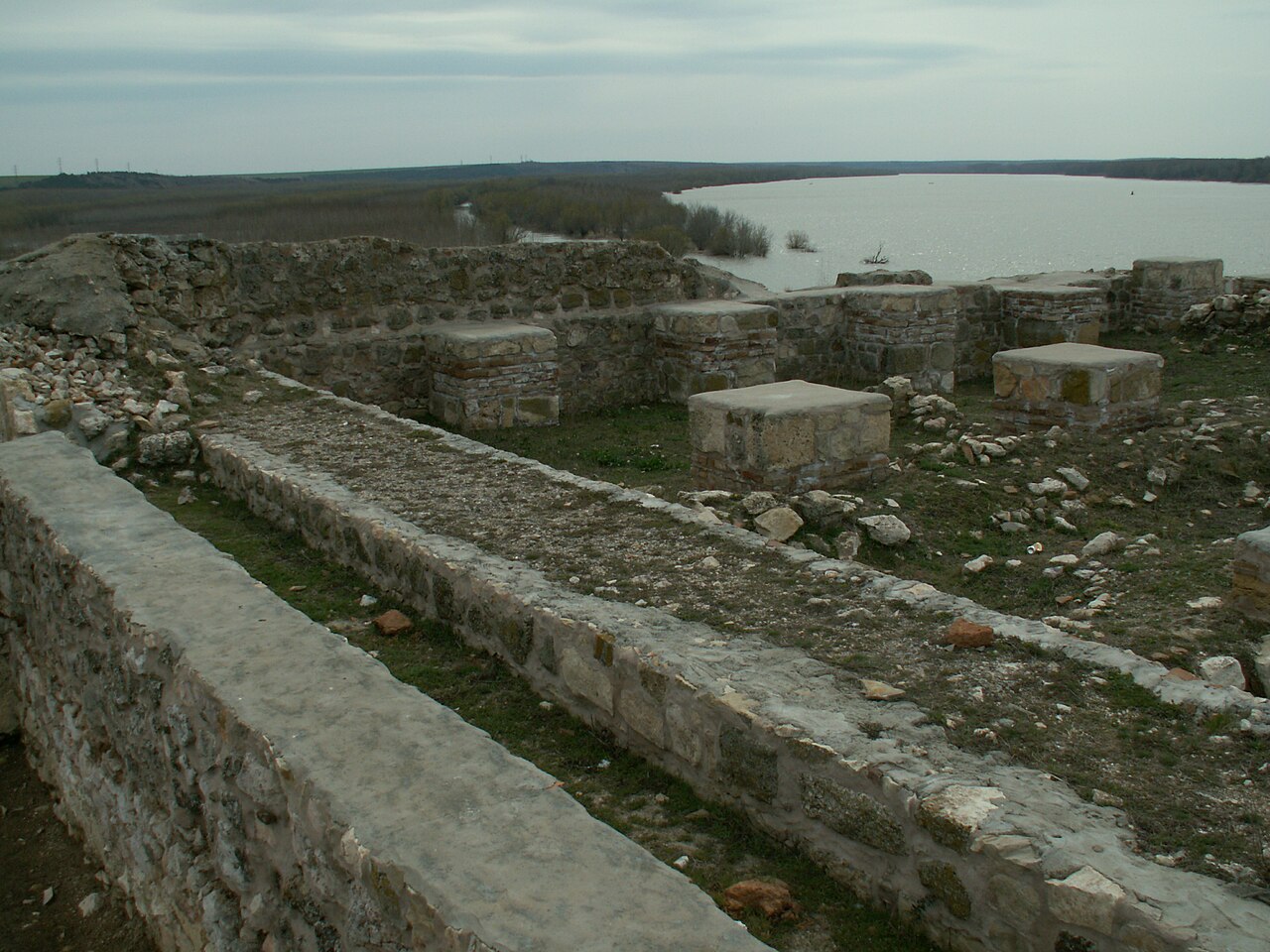
The name is Getic and means, in short, the fortress at the bend. It stands on a limestone spur, between Cernavodă and Hârșova, where the Danube makes a wide loop. Trajan turned the place into a castrum, with men from Legio I Italica and, later, from XI Claudia.
The wall on the bank can be seen from the road. On the plateau you can make out towers, the principia and traces of civilian houses. Regular excavations have been going on since 1924.
Park below and climb the short path. In the evening the light is good for photographs; at noon the stone burns. From the village you can go on to Hârșova the same day.
On the map
The pin marks this site.
Curiosities nearby
01 / 06
Constanța este cel mai vechi oraș locuit continuu de pe teritoriul României: peste 2.500 de ani de la întemeierea Tomisului.
02 / 06
Cazinoul din Constanța a găzduit ruleta doar câteva decenii, dar a fost spital în ambele războaie mondiale.
03 / 06
Farul genovez din Constanța amintește de negustorii Genovei, care în secolul XIII controlau comerțul întregii Mări Negre.
04 / 06
Portul Constanța e cel mai mare port la Marea Neagră și s-a construit după planurile aceluiași Anghel Saligny care a proiectat podul de la Cernavodă.
05 / 06
Granitul din Măcin a pavat Bucureștiul și Constanța: pietrarii italieni din Friuli, așezați în satul Greci, l-au tăiat generații la rând.
06 / 06
Canalul Dunăre-Marea Neagră scurtează drumul navelor spre Constanța cu aproape 400 km și e printre cele mai mari lucrări de terasamente din istorie, comparabilă cu Canalul Suez.
On routes
Nearby (25 km)
Community
No approved reviews yet.
No approved comments yet.