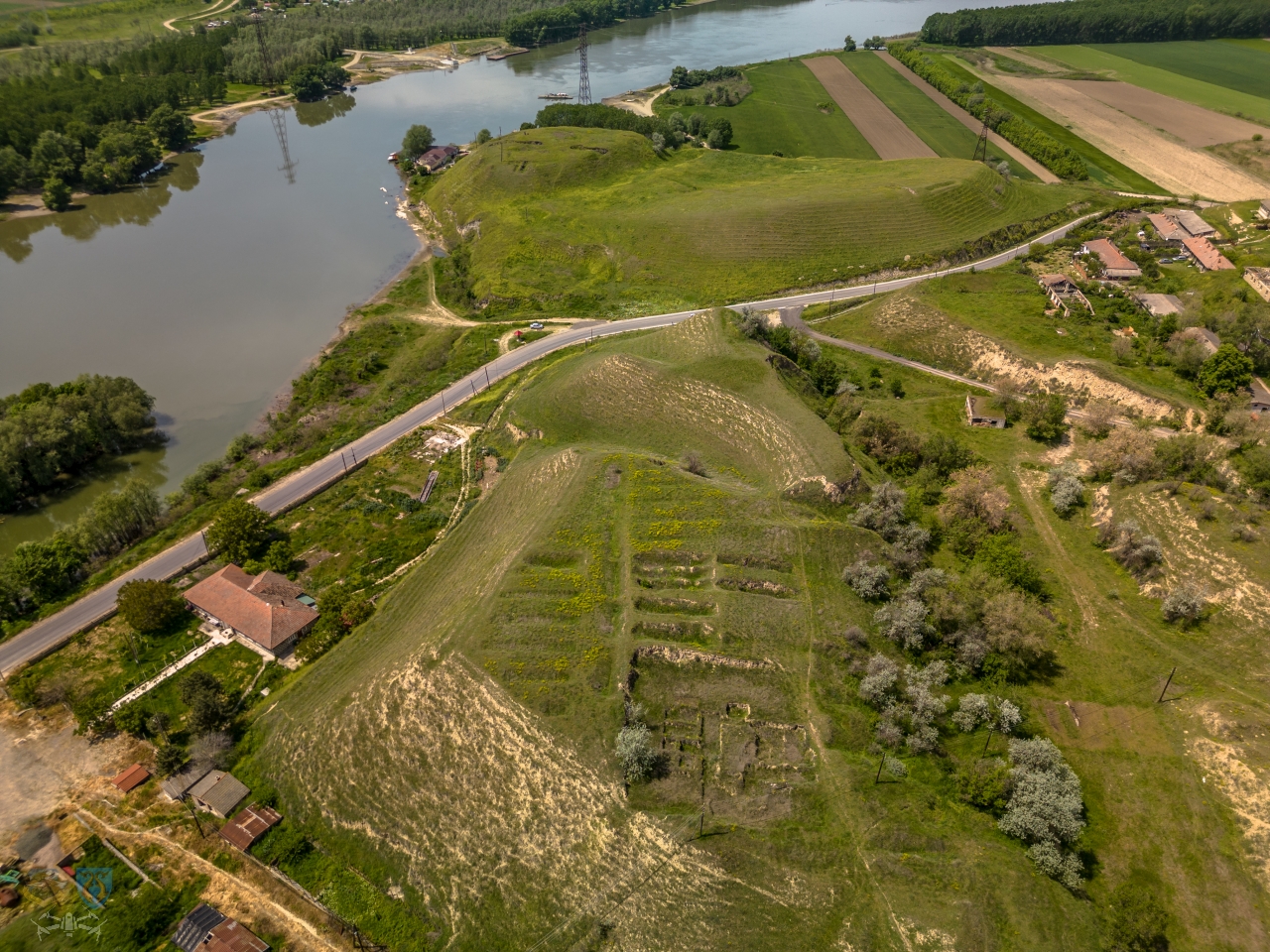
Fortified Settlement at Piatra lui Boboc
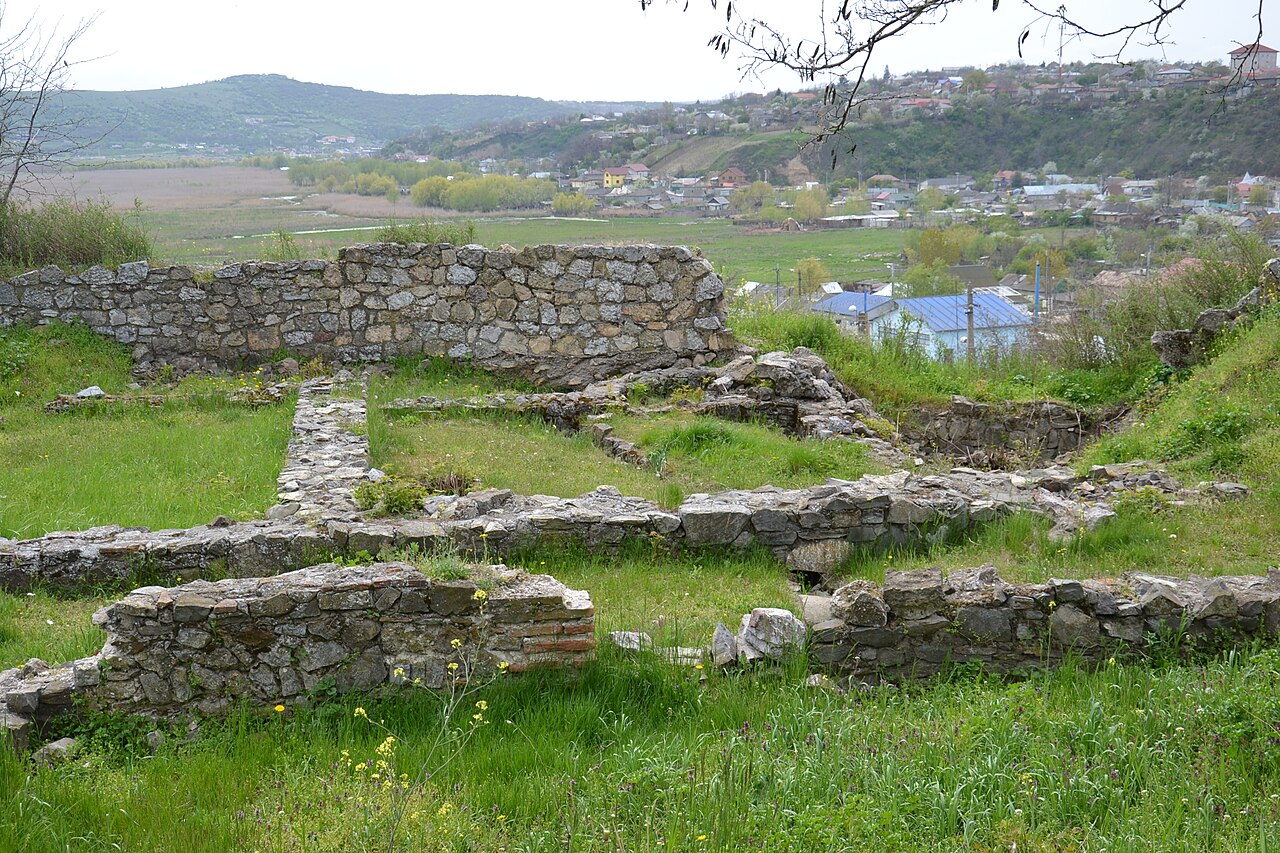
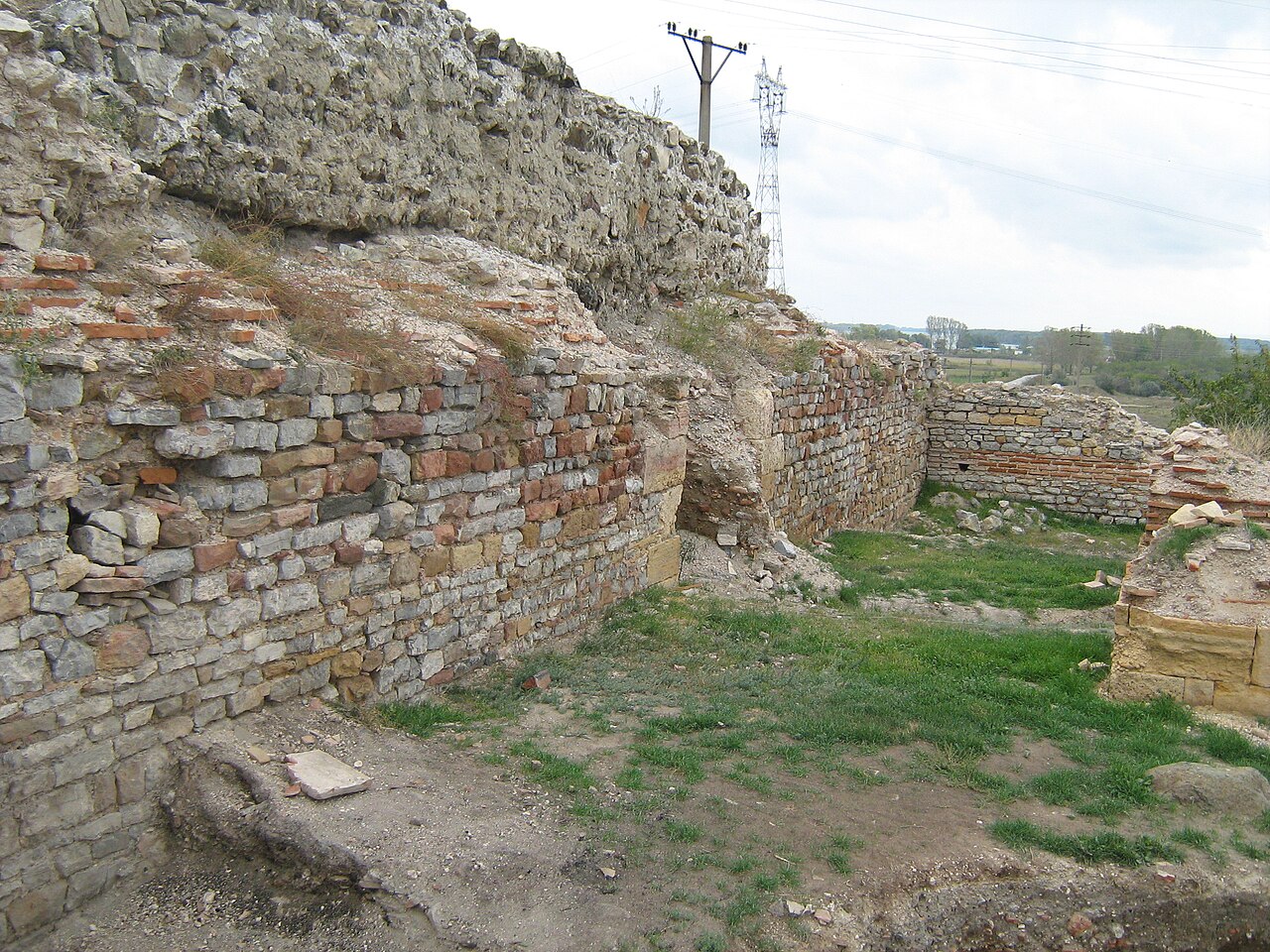
A kilometre north-east of Beștepe, at Piatra lui Boboc, the traces of a Getic dava are kept. In older literature the place — and the settlement beside it — also appears as Salsovia…
Checked guide · one place = one sheet
113 places found with the current filter.
A kilometre north-east of Beștepe, at Piatra lui Boboc, the traces of a Getic dava are kept. In older literature the place — and the settlement beside it — also appears as Salsovia…
At Agighiol, in the commune of Valea Nucarilor, the hills near Tulcea hide a settlement where Getae and Greeks lived side by side. On the ground you see undulations, potsherds and…
On the hills near Telița, at the foot of Măcin, the traces of a fortified settlement known as Edirlen can be read. It is a field site, not a museum: banks, stones and a position th…
The library in Sulina bears the name of Jean Bart (Eugeniu Botez) and has functioned since 1897, when the port was full of clerks of the European Commission of the Danube. Since 19…
Beidaud is a plateau village, in the north of Tulcea. The church in the centre bears the dedication of the Translation of the Relics of Saint Nicholas and was raised at the beginni…
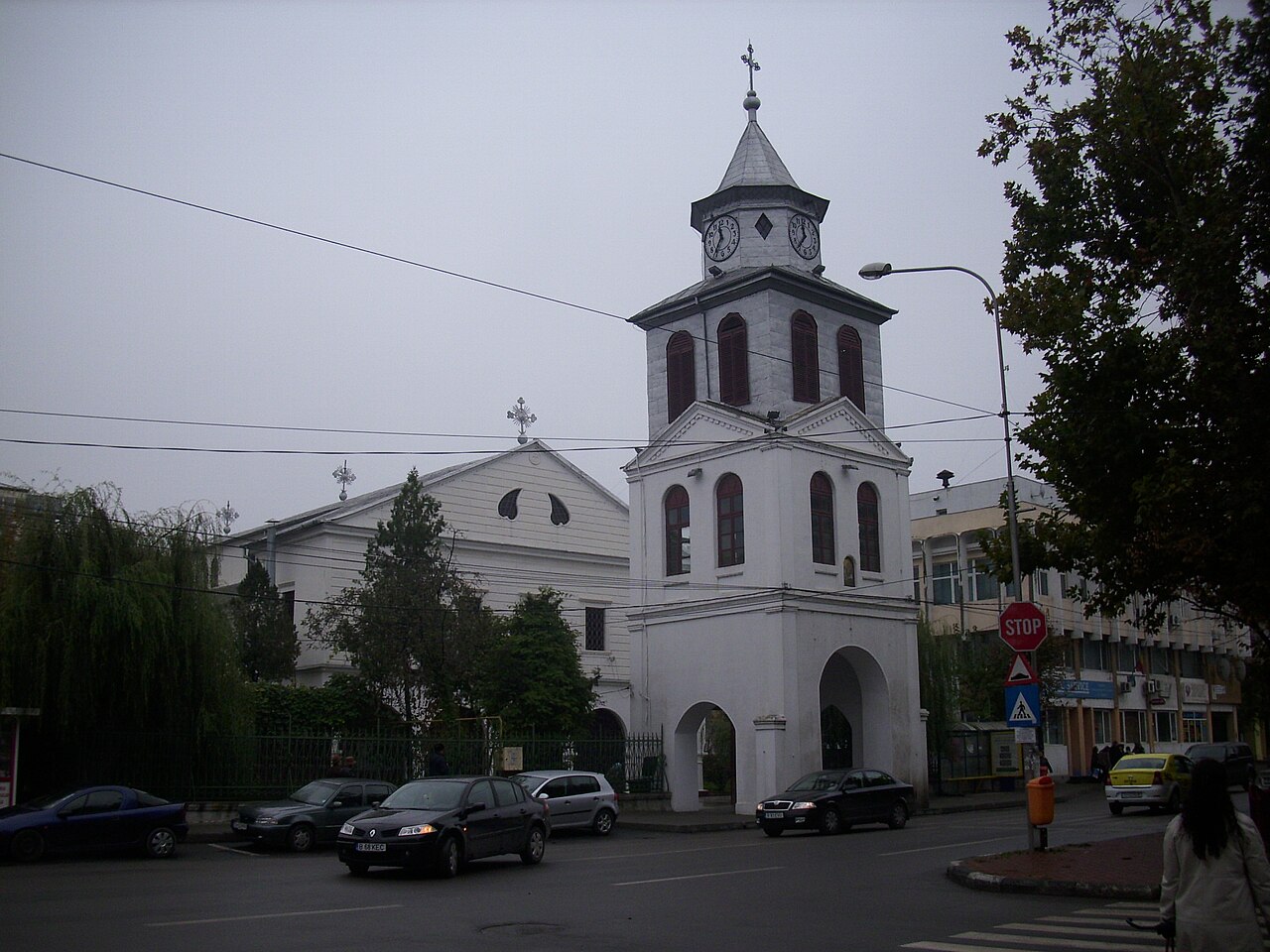
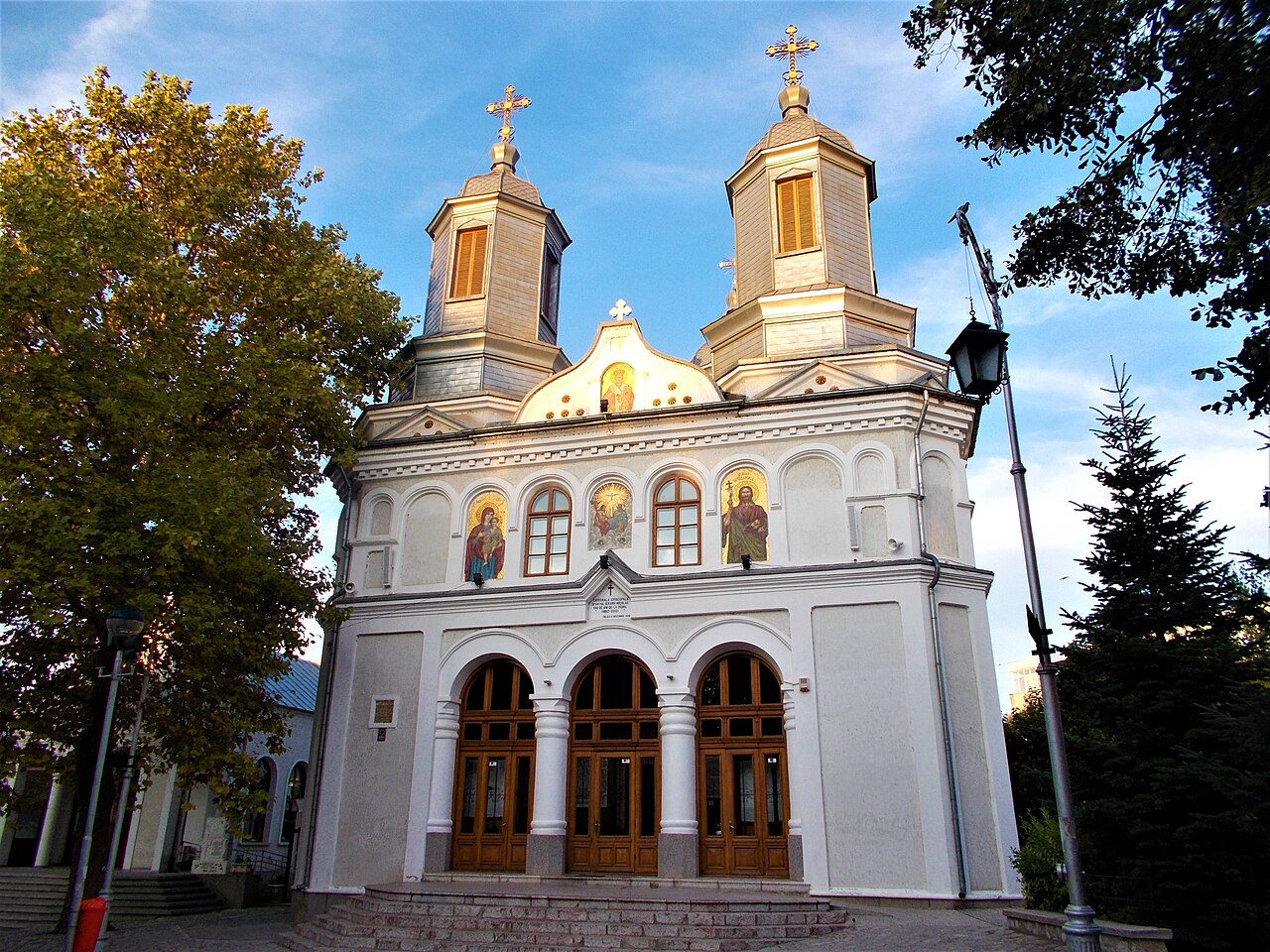
People in Tulcea call it the “Clock Church” or the “Bulgarian Church”. The Bulgarian community replaced in 1857 a wooden church that the floods in the New Market area kept damaging…
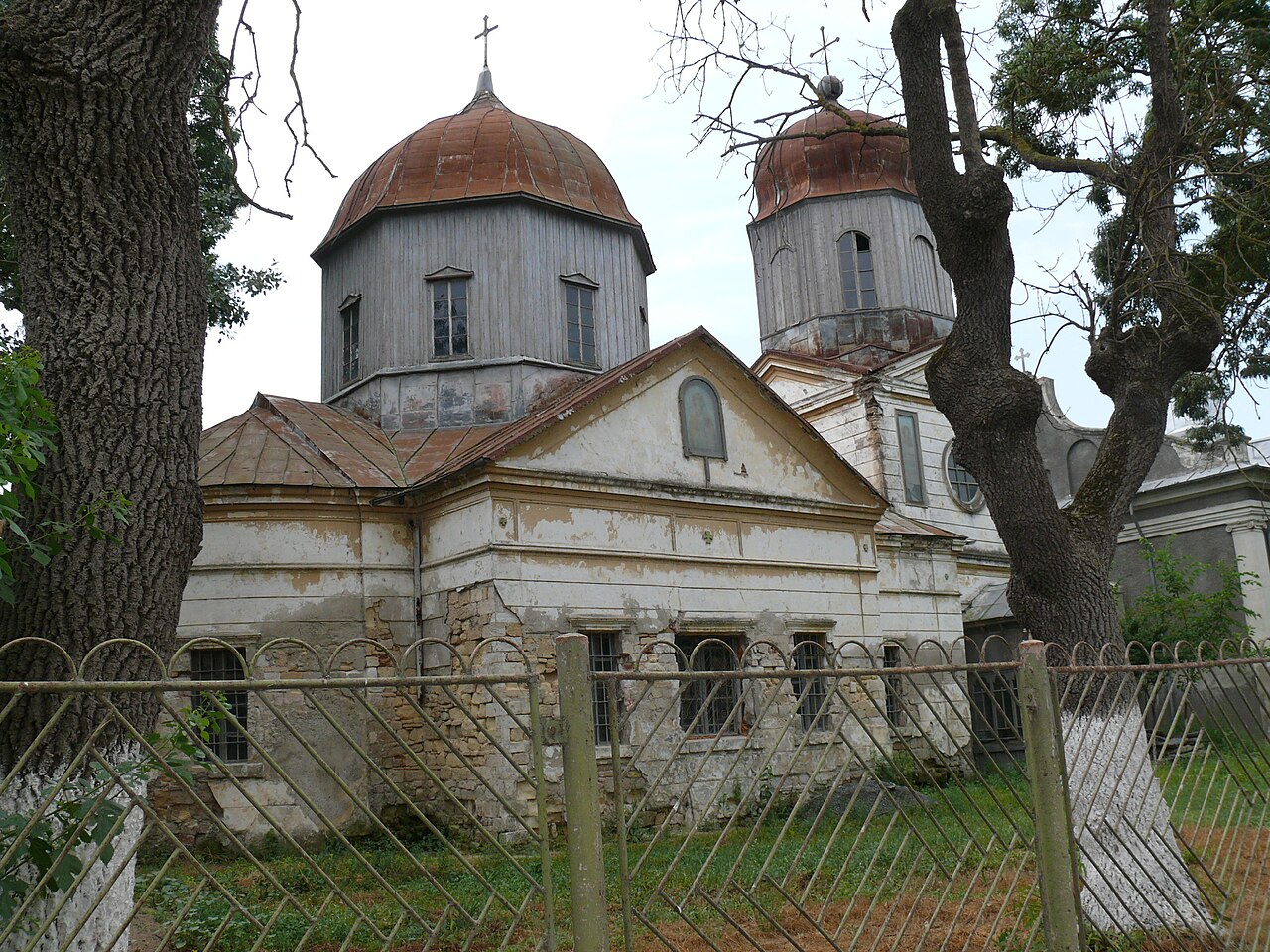
In the village of Agighiol, Valea Nucarilor commune, the community built between 1858 and 1860 a church of stone and brick with the dedication of the Holy Archangels. It is among t…
On the bank of the Chilia branch, the towers of more than 40 metres are seen from the village before you catch the door. The Church of the Holy Archangels Michael and Gabriel was b…
The Church of the Protection of the Mother of God (Pokrov) in Jurilovca is the house of worship of the Old Believer community — the Lipovans who made the village one of Dobruja’s l…
Isaccea stands on the Danube, above layers of older fortresses. The Church of Saint George is the town's parish house: a spring feast, a courtyard with linden, a tower visible from…
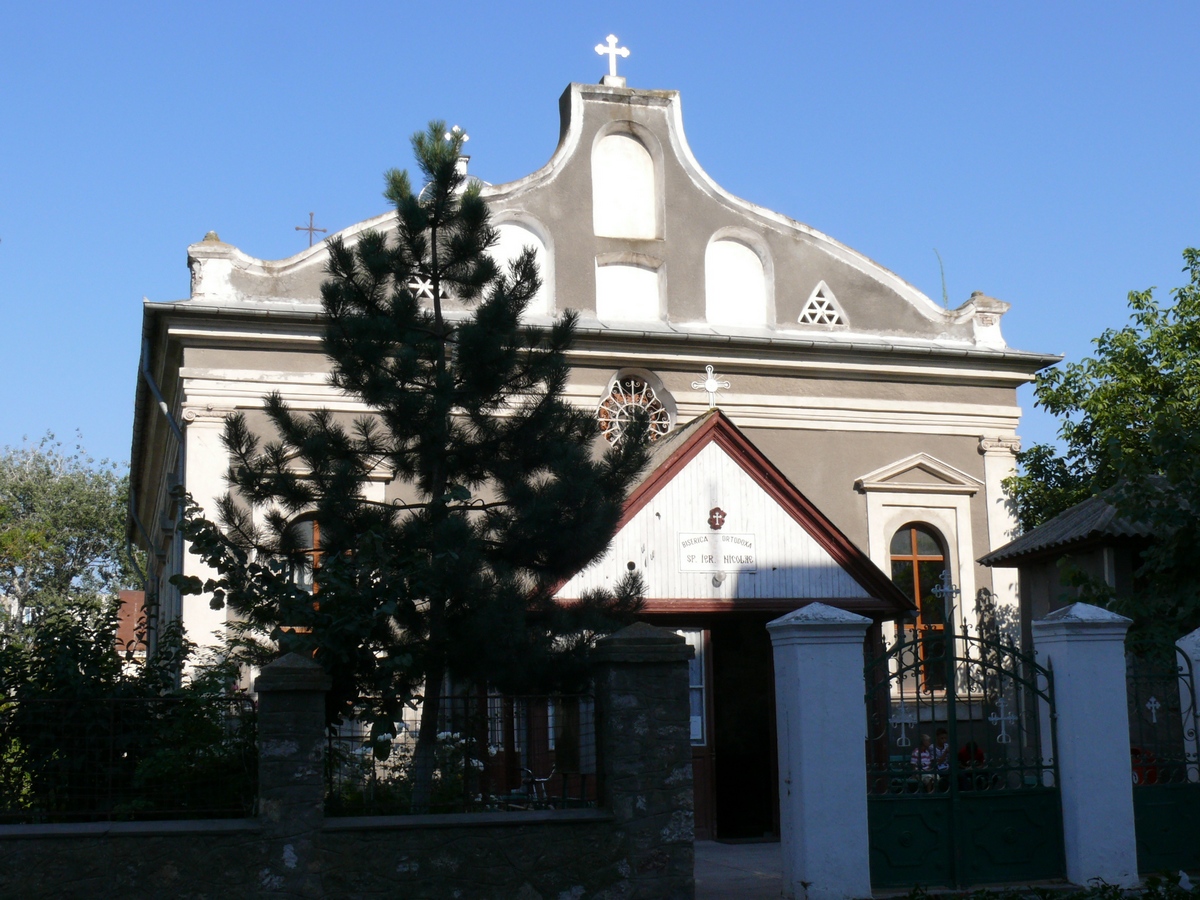
In Sulina, where the branch gives itself to the sea, the Orthodox church dedicated to Saint Nicholas belongs to sailors and fishermen. The building is nineteenth-century, from the…
The Greek community held Sulina in the nineteenth century, when grain and bar pilots passed through the port. Their church, Saint Nicholas, is smaller than the Romanian cathedral,…
At Niculițel, the trefoil plan — three apses — gives the name to the church dedicated to Saint Athanasius. It began in the fourteenth century as a court chapel. After 1420, with th…
Eugeniu Botez signed as Jean Bart. He wrote about the Danube, navies and ports; in Tulcea, his bust stands at the theatre that bears his name. It is a lobby piece, not a market-squ…
On 15 January 2023, National Culture Day, Tulcea unveiled in TAVS Park the town's first public monument to Mihai Eminescu. Romeo Protopopescu modelled a bronze bust, set on a concr…
Cabana Valea Mierii is near Balabancea, in Hamcearca commune, at the foot of Măcin. Forest, meadows, a night without street lamps. Food of a gastronomic point is served: soups, pie…
From Jurilovca, DJ229P takes you toward a limestone cliff above Razelm. Cape Doloșman is a strict reserve (IUCN I), in the Danube Delta National Park, a UNESCO site. The protected…
From Mahmudia many climb into a boat toward the canals. Casa Amalia cooks in the household: soups, fish, garden vegetables, jam if it is the season. The tables are in the courtyard…
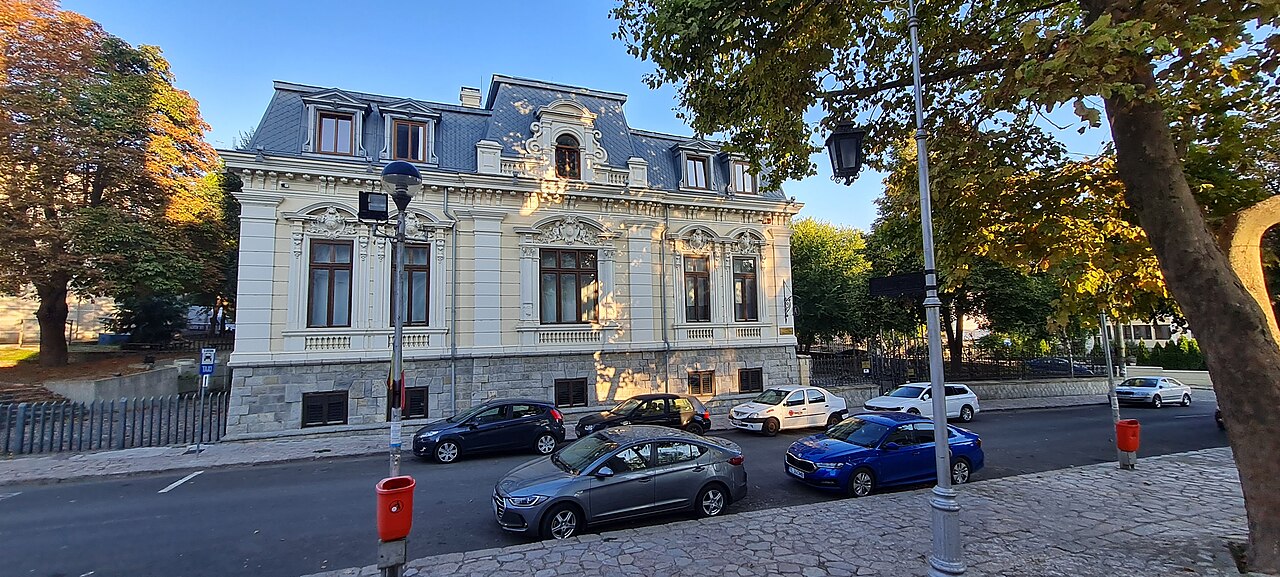
Between 1897 and 1899, the Greek merchant Alexandru Avramide built himself a house next to St. Nicholas Cathedral in Tulcea. The façade is Belle Époque, with stucco and tall window…
On the bank of Ghiolul Murighiol, Casa din Deltă cooks fish soup, storceag, plachie, fried fish and roe, from what has come out of the canals. From the pontoon you leave by boat in…
In Sarichioi, on the bank of Razim, Casa Filip hosts meals in a Lipovan household: reed on the roof, blue on the joinery, a shaded courtyard. It is a gastronomic point, not a group…
On Păcii Street no. 35 in Jurilovca, Casa Ilinca cooks in a white-and-blue Lipovan house, with tables in the courtyard, under the trees, a stone's throw from Razim-Sinoe. On the me…
In the village of Letea, a white-and-blue household puts on the table fish borscht, saramură, roe, fried fish and homemade jams. You arrive after sand and after a crossing of the D…
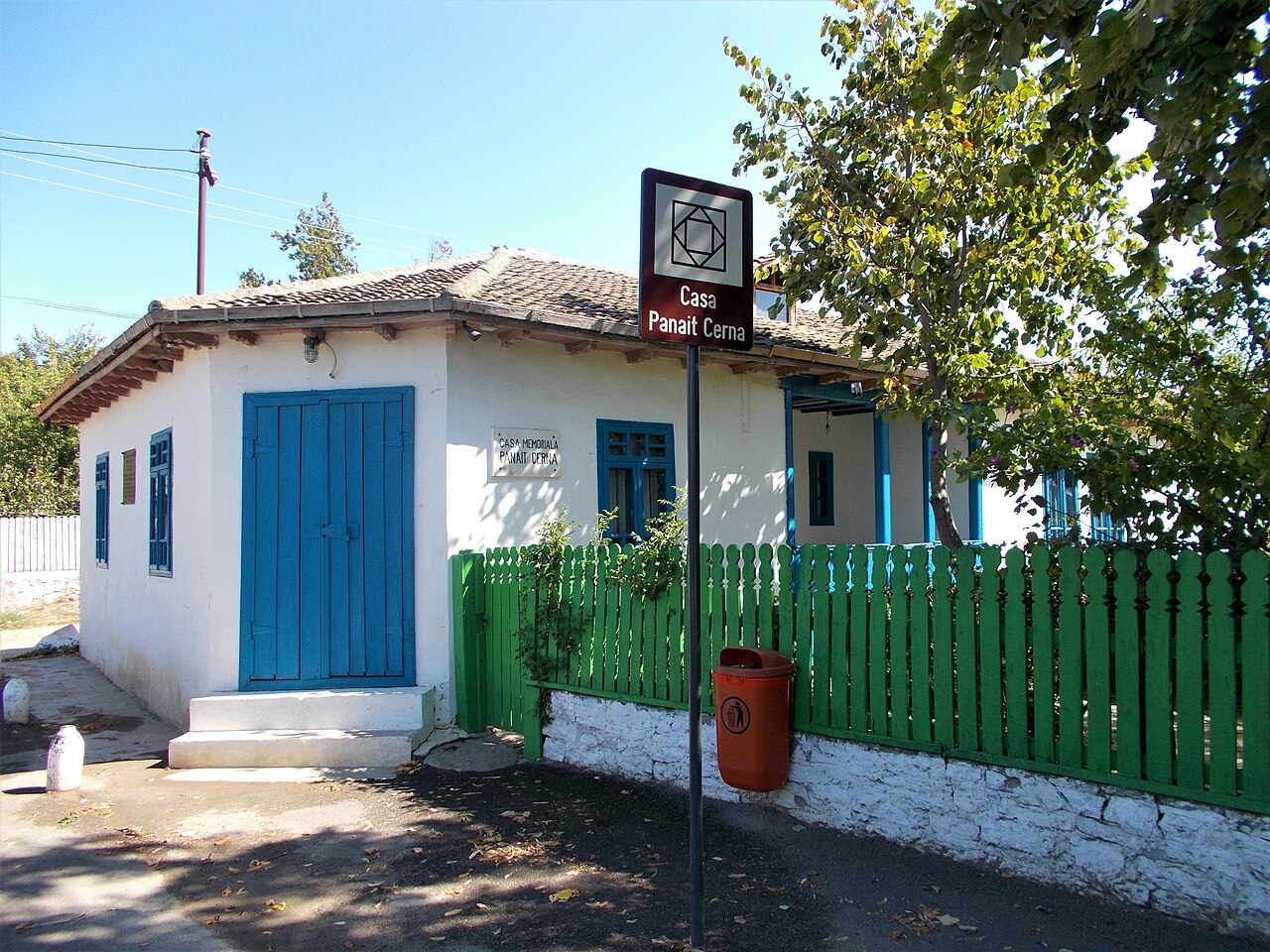
The poet Panait Cerna was born in the village of the same name, between Tulcea and Măcin. In 1966 his brother gave the locality the parental house - a craftsman's dwelling from the…
Romanians who came after the Peace of Adrianople, many from Beștepe, set between 1835 and 1845 a little church in Ottoman Tulcea. Between 1862 and 1865 they replaced it with the pr…
From the canal, before you dock at Sulina, you see the tower of the cathedral with the dedications of Saint Nicholas and Saint Alexander. Nicholas is the patron of sailors; Alexand…
Next to the Tulcea promenade, a three-level building holds the Delta's ecotourism museum centre. The exhibition is interactive: habitats from Razim-Sinoe to the plateau and the Măc…
Monument Hill in Tulcea covers the fortress of Aegyssus. The name is Celtic; Ovid, from his exile at Tomis, mentions it as an old town attacked by the Getae. The Romans held the pl…
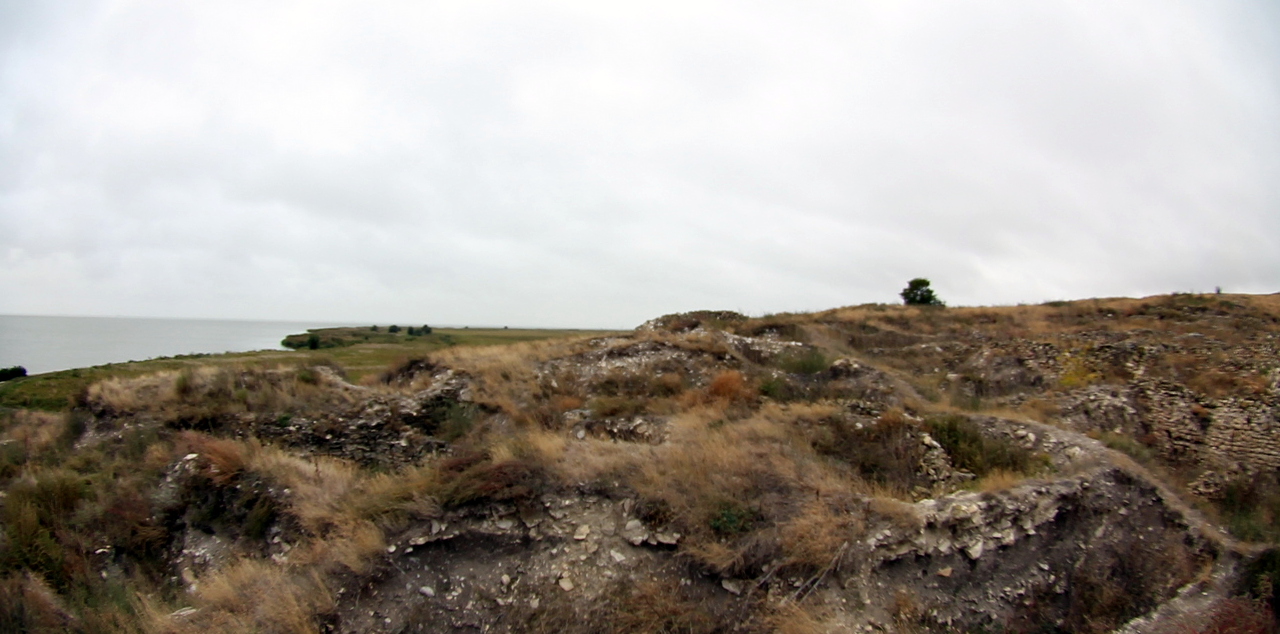
On Cape Dolosman, above Lake Razim, the ruins of Argamum (ancient Orgame) stand on a limestone cliff. Settlers from Miletus came here too in the 7th century BC. An ancient source m…
On a spur above Măcin, the name Arrubium - of Celtic root - appears around the year 100, on two military diplomas. After Dobrogea entered Moesia Inferior, in 46, the place held a r…
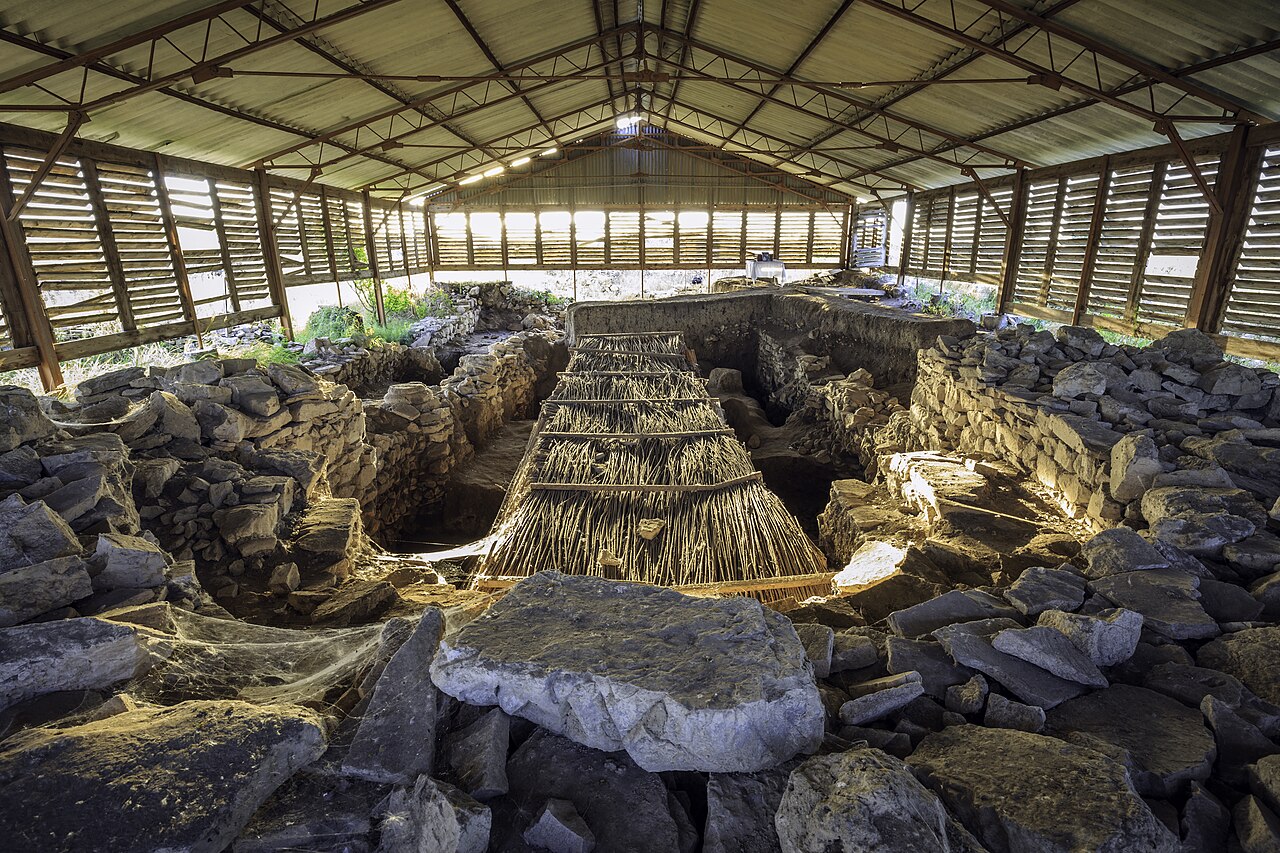
On the left bank of the Danube, 3 km south of Ostrov in Tulcea County, a rock some 30 metres high holds layers from Hamangia, Noua and Babadag, then a Roman fortification linked to…
Bisericuța Island, near Garvan, holds the Dinogetia fortification. Under Diocletian the Romans moved here a post that had previously been on the left bank, at Barboși. Legio I Iovi…
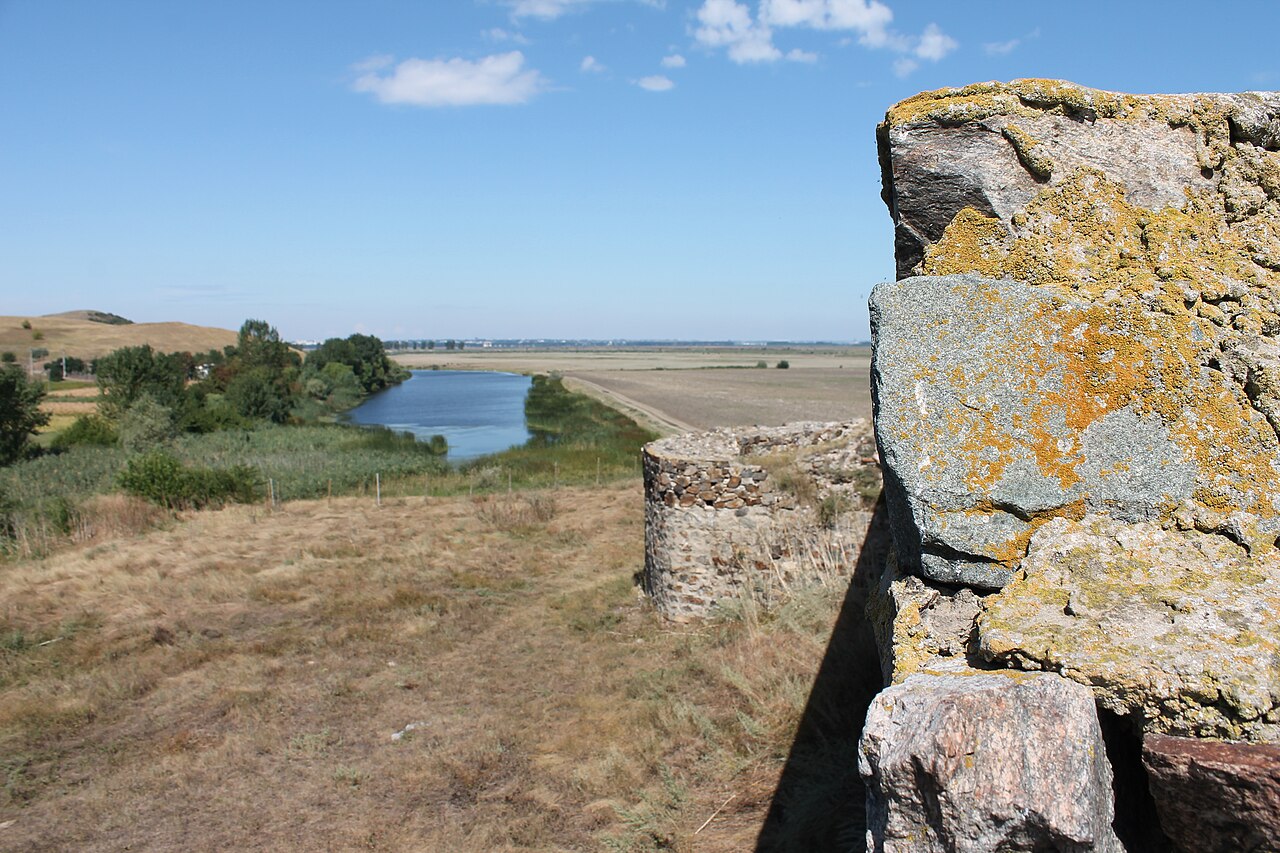
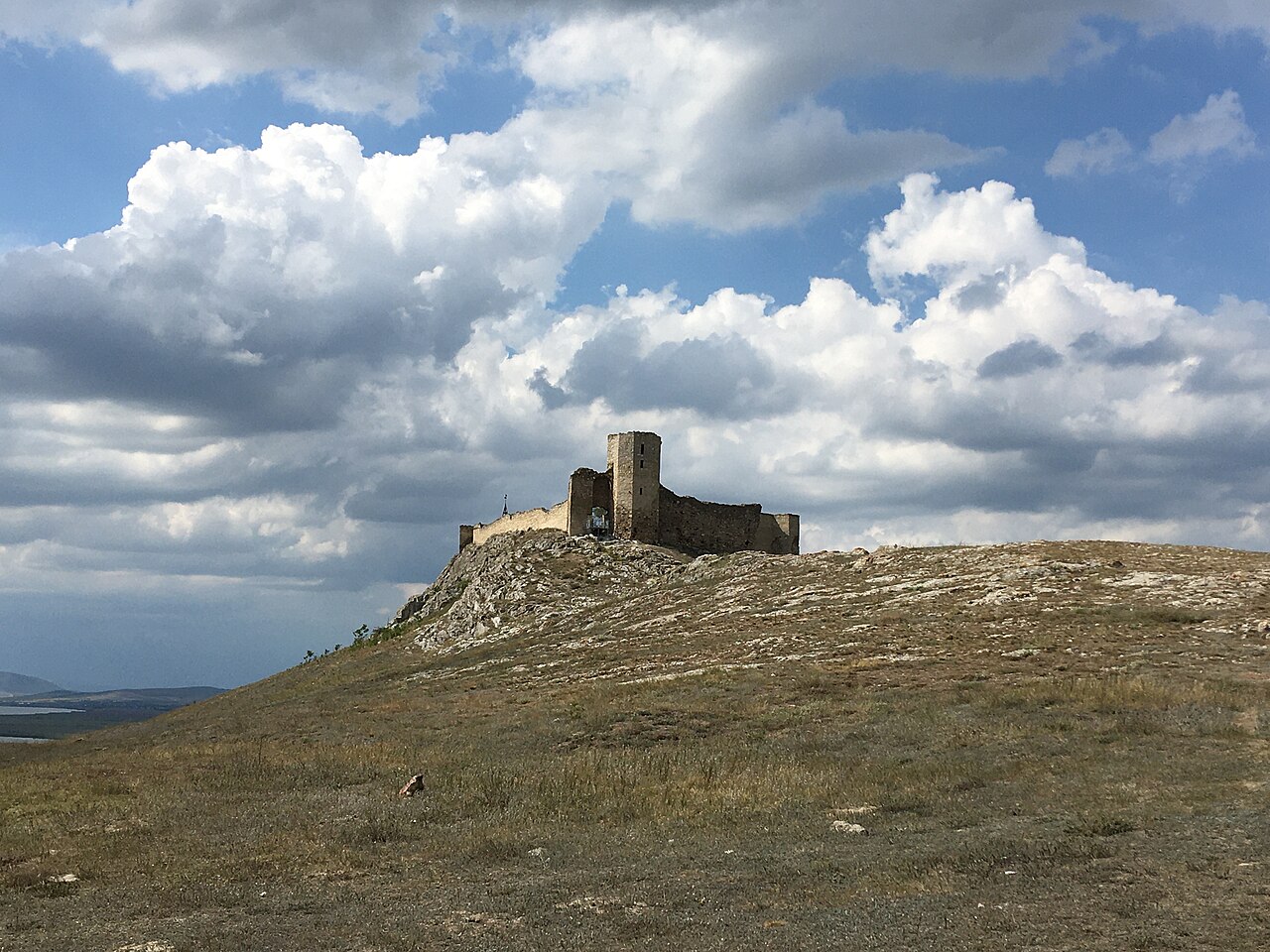
Above the village of Enisala, the stone walls look out on Lake Razim and the hills of northern Dobrogea. What you walk today is, mainly, a 13th–14th-century fortification, set at a…
Two kilometres from Murighiol, Halmyris was a castrum, a harbour and, from the 4th century, a Christian centre as well. The martyrs Epictetus and Astion are commemorated here. The…
Between Slava Rusă and Slava Cercheză stretches, over some 24 hectares, the largest Dobrogean fortification researched: more extensive than Histria, Tomis or Callatis at their peak…
On the high bank at Isaccea, before the Danube opens toward the Delta, Noviodunum was in turn a Celtic hearth, a Roman castrum, a base of the Classis Flavia Moesica, then a Byzanti…
On the right bank of the Sfântu Gheorghe branch, at Nufăru, the Byzantines raised at the end of the tenth century a fortification to control the ford. John Tzimiskes was then settl…
Near Mahmudia, the castrum named in the Antonine Itinerary and on the Tabula Peutingeriana held a point on the lower Danube branch from the second and third centuries onward. The n…
At Turcoaia, on the Iglița and Râioasă hills, stood Troesmis - first a Getic settlement, then a Roman castrum and town, from the 2nd century into the 7th. From here a long stretch…
In 1864 the European Commission of the Danube paid for a cemetery on land given by Sulina’s town hall. Officials, sailors and residents of dozens of nationalities are buried here:…
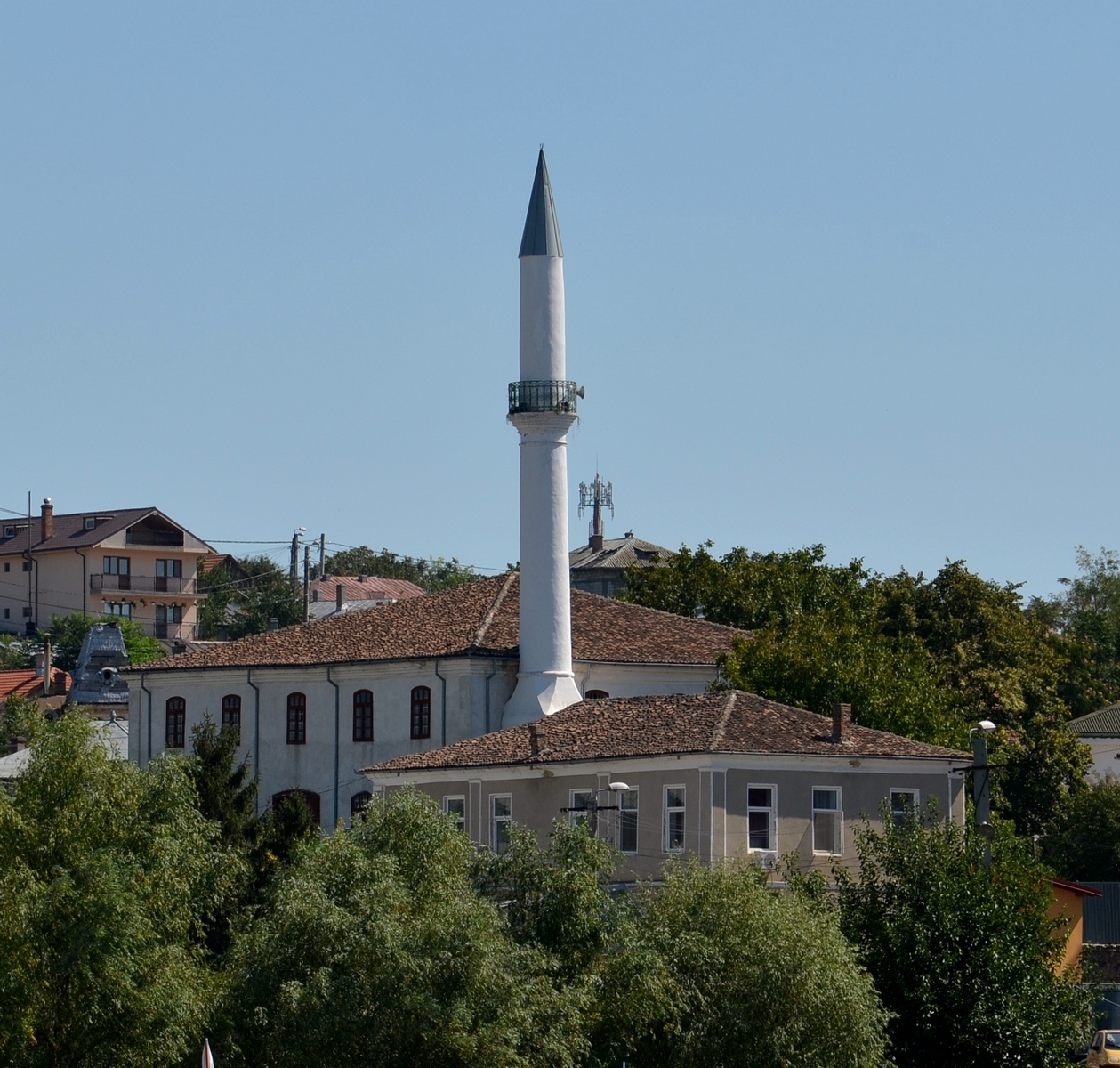
In the courtyard of the Ali-Gazi Pasha Mosque, a fountain takes a spring. Pilgrims used it to wash their hands before prayer. Dating wanders between 1610 and the late seventeenth c…
Ceaplace Island, in the Razim–Sinoe lagoon complex, is one of the places where pelicans (Dalmatian and great white) nest in large numbers on the Romanian coast. It is not an island…
On C.A. Rosetti Street no. 5 in Sulina, a former navigator has filled a house with maps, photographs, documents and objects from the nineteenth-century port. The “Old Sulina” exhib…
At the mouth of the Sfântu Gheorghe Arm, where the Danube empties into the sea, the first coastal signal stood on the Olinca sandbar, as early as the nineteenth century. Today's li…
On Digului Street no. 44 in Sulina, Anca and Eugen keep a pavilion where you eat fish from the river mouth: fried, from the oven, in soup, with mămăligă and mujdei. It is a gastron…
On Cetății Hill, above Babadag, you read the traces of a fortification from the early Iron Age, eleventh to eighth centuries BC. The archaeological culture is also called Babadag a…
Sultan Abdul Aziz ordered, in 1863–1865, a mosque next to the Turkish quarter in Tulcea. It had a school beside it. The roof is of tile, the minaret is tall for the scale of the to…
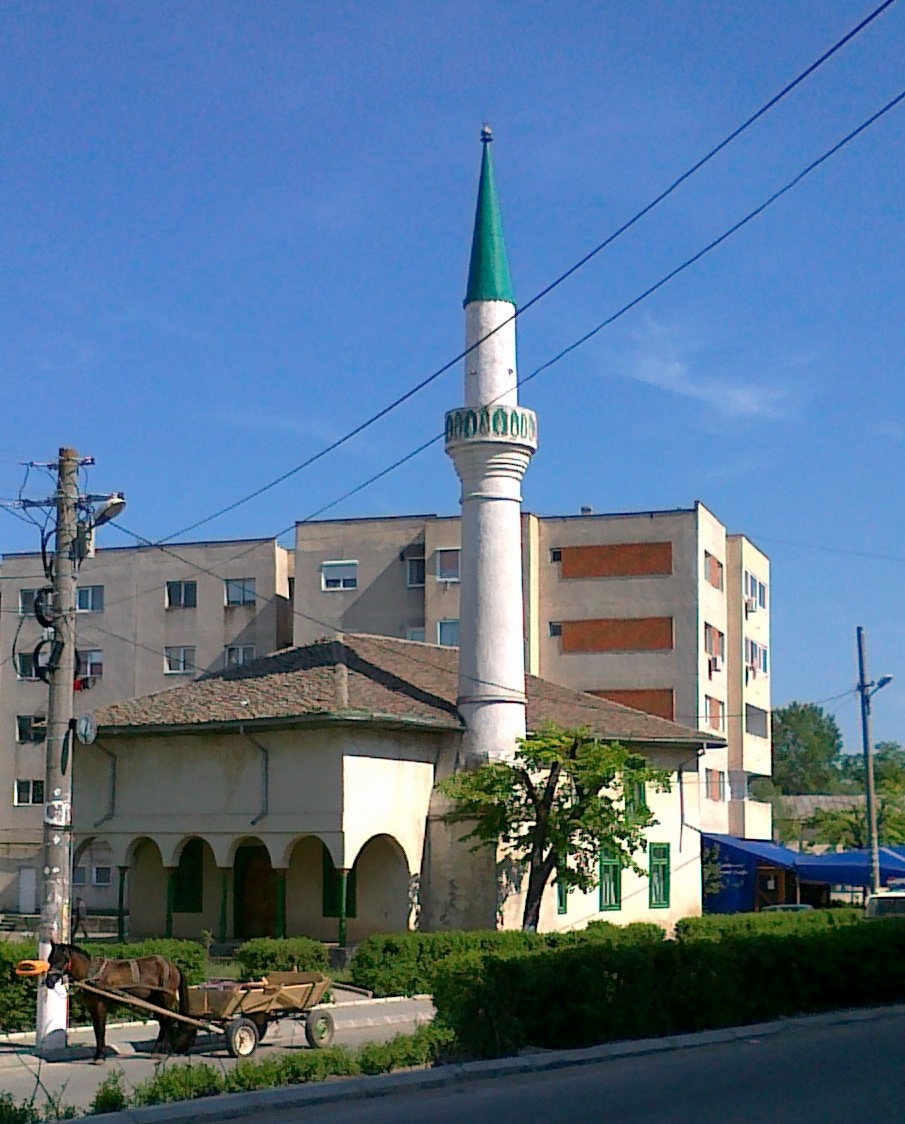
At 19 1 Decembrie Street, in the centre of Isaccea, stands the mosque tied to Mahmud Yazîcî - Mahmud Efendi, a scholar from a family of yazîcî, that is, scribes. The walls most lik…
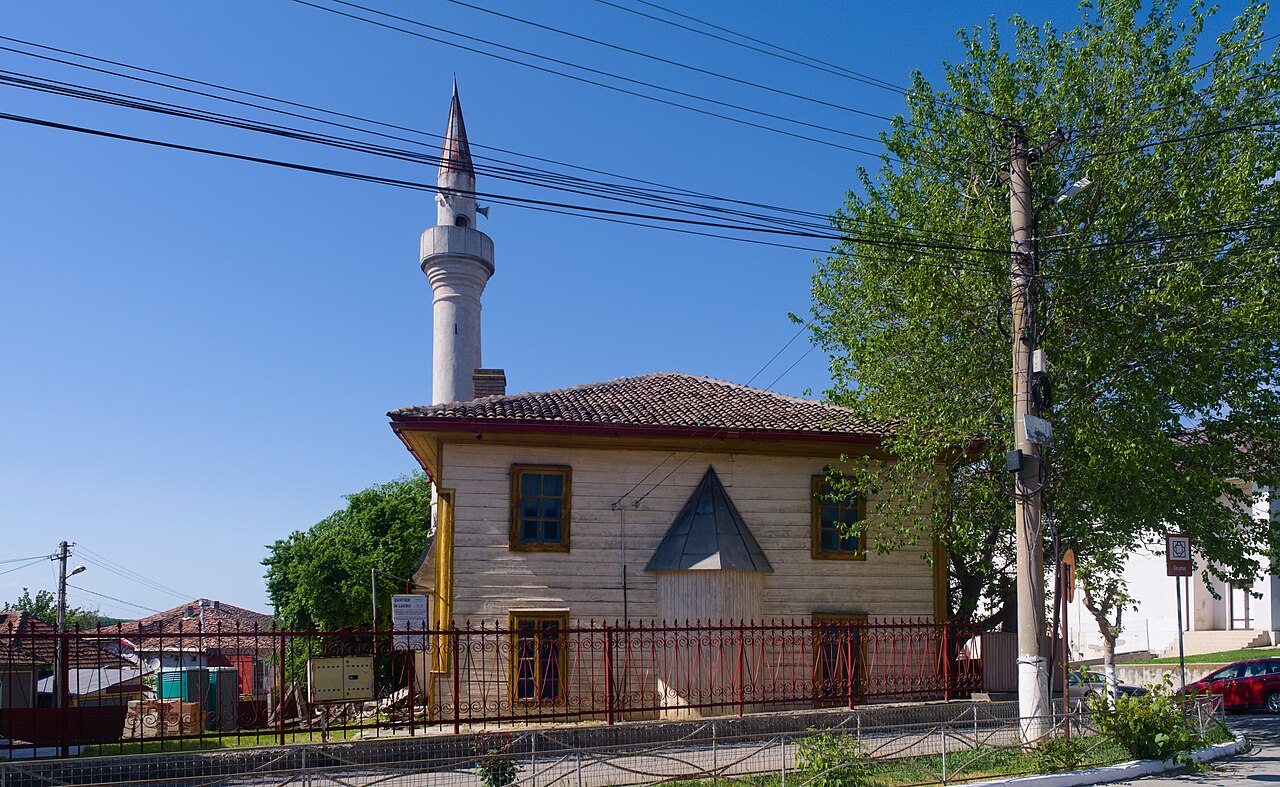
In Măcin, the mosque raised in 1860 bears the name of Mestan Aga. The wave after the Crimean War (1853-1856) had come, when the Russian Empire pushed Muslims from southern Bessarab…
The museum in Tulcea bought in the 1970s a household from the village of Enisala and conserved it on the spot. The house is from the beginning of the 20th century: entrance room, l…
Site photos: Wikimedia Commons or the newsroom, credit on each sheet. No images from dobrogea150.ro.
Narrow by category
Nothing found. Try another term.