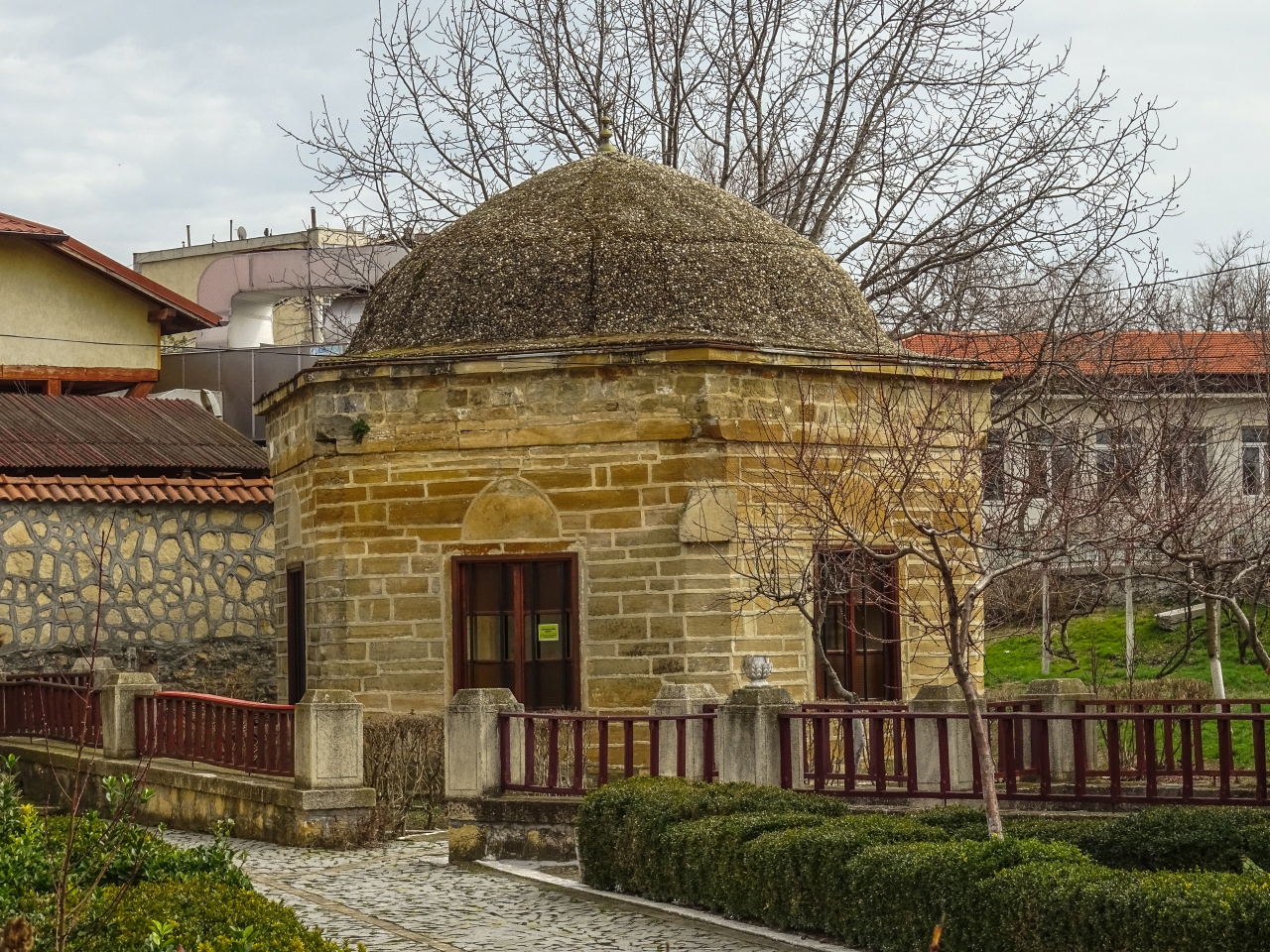
Mehmet Hagi Ismail House in Mangalia
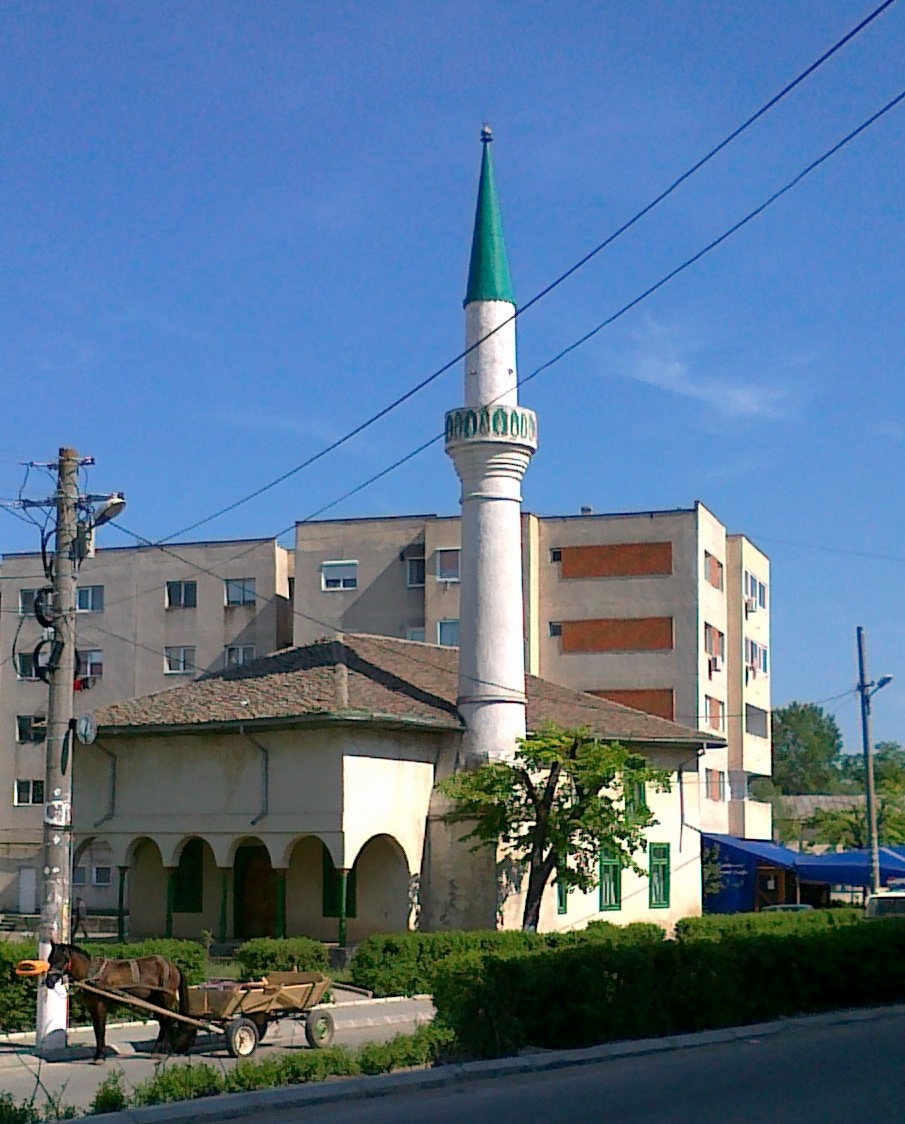
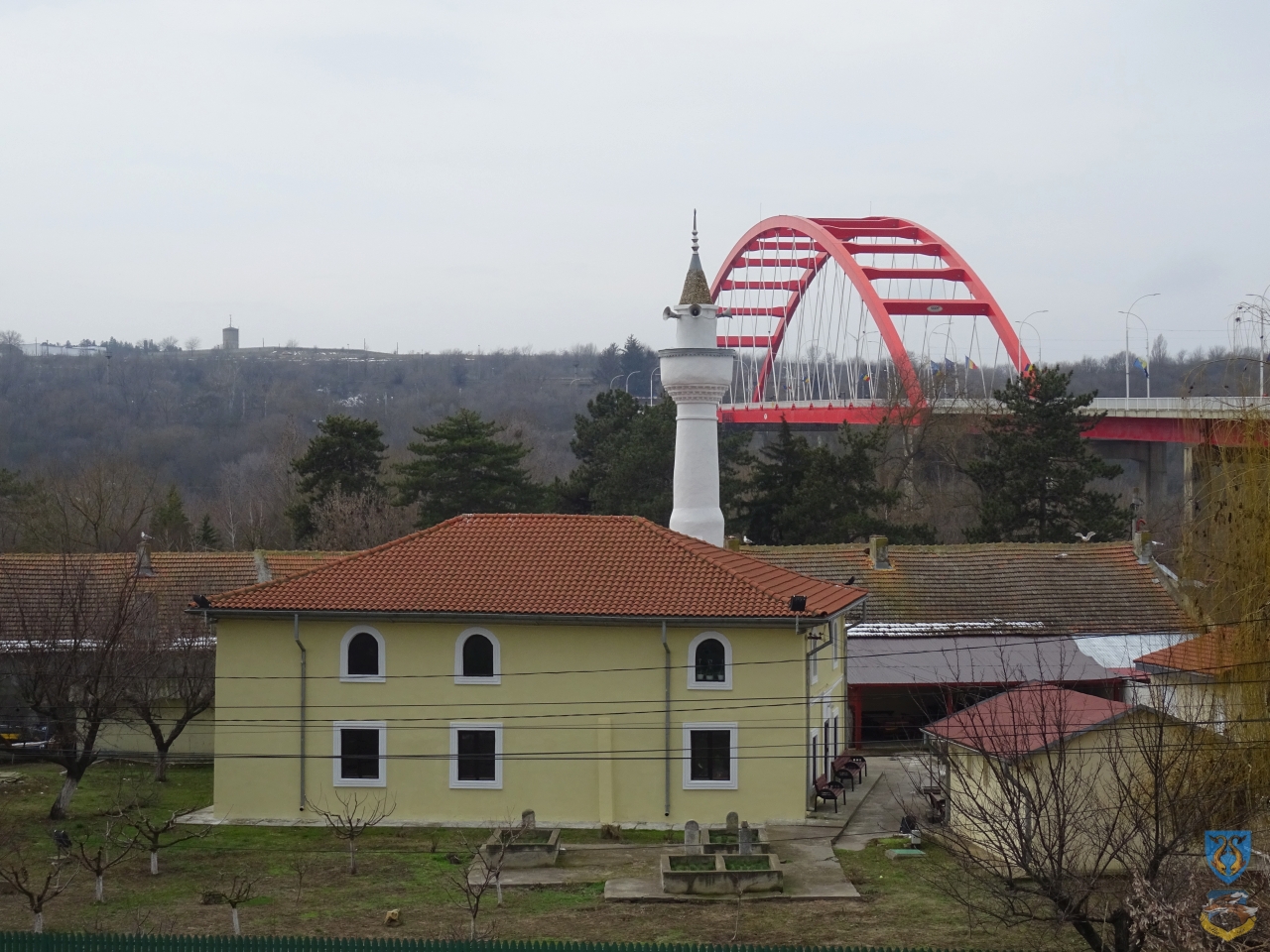
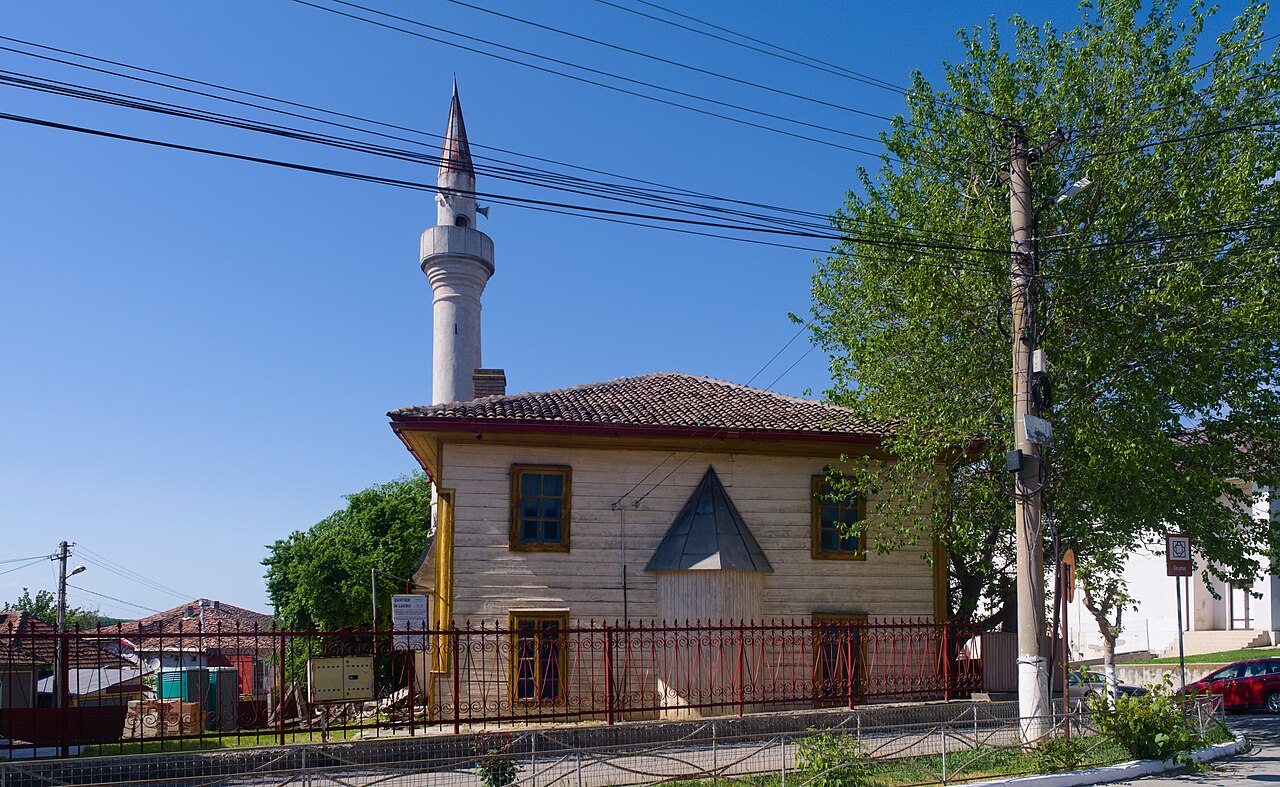
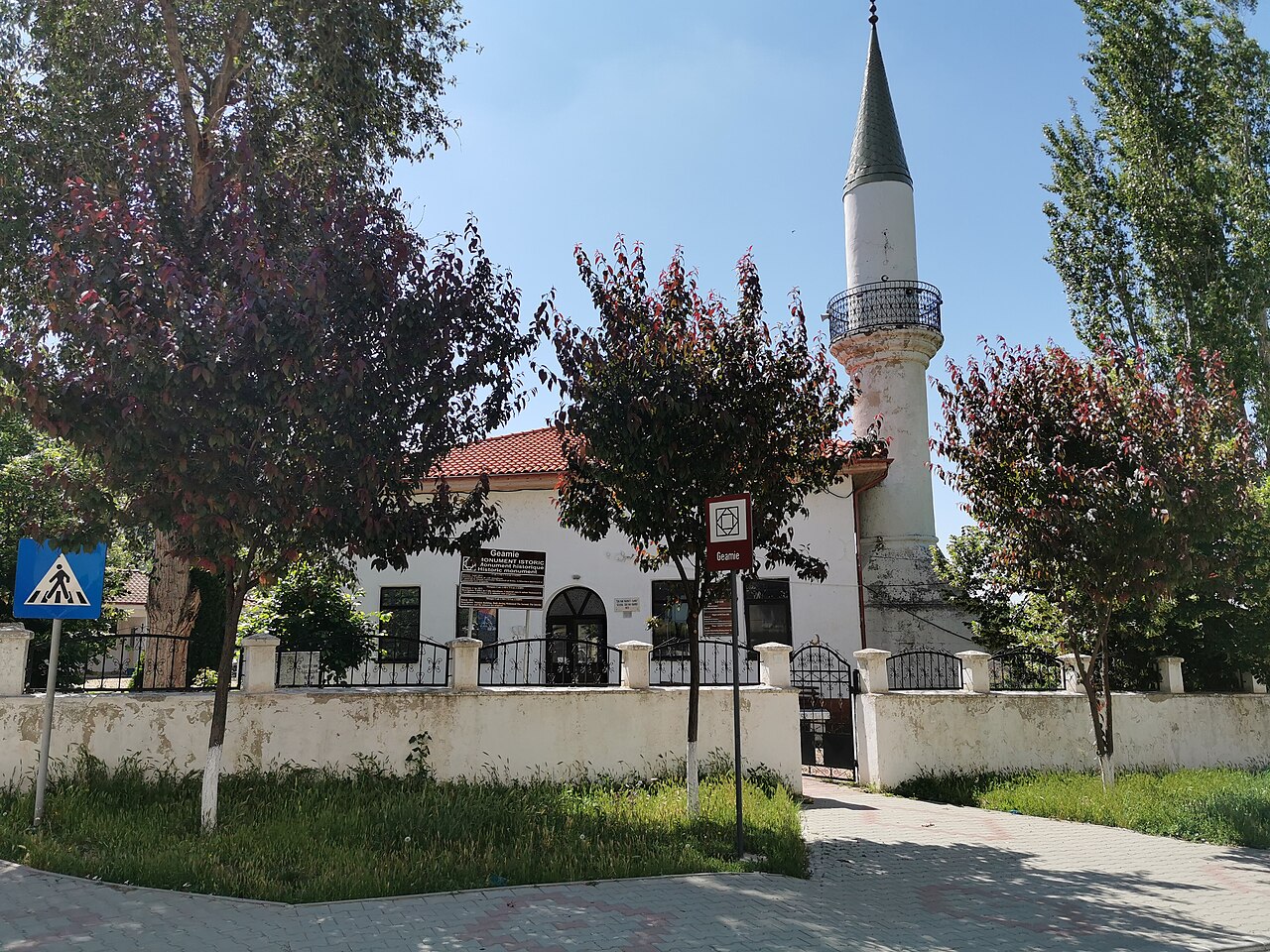
In Mangalia, Mehmet Hagi Ismail's house is an Ottoman dwelling from the end of the 18th or the beginning of the 19th century: thick walls, a wooden ceiling, an inner courtyard. It…
Checked guide · one place = one sheet
24 places found with the current filter.
In Mangalia, Mehmet Hagi Ismail's house is an Ottoman dwelling from the end of the 18th or the beginning of the 19th century: thick walls, a wooden ceiling, an inner courtyard. It…
In Cobadin, 30 kilometres from Constanța, a house from 1927 was lived in until almost the present day. On 5 June 2023, the Democratic Turkish Union of Romania opened an ethnographi…
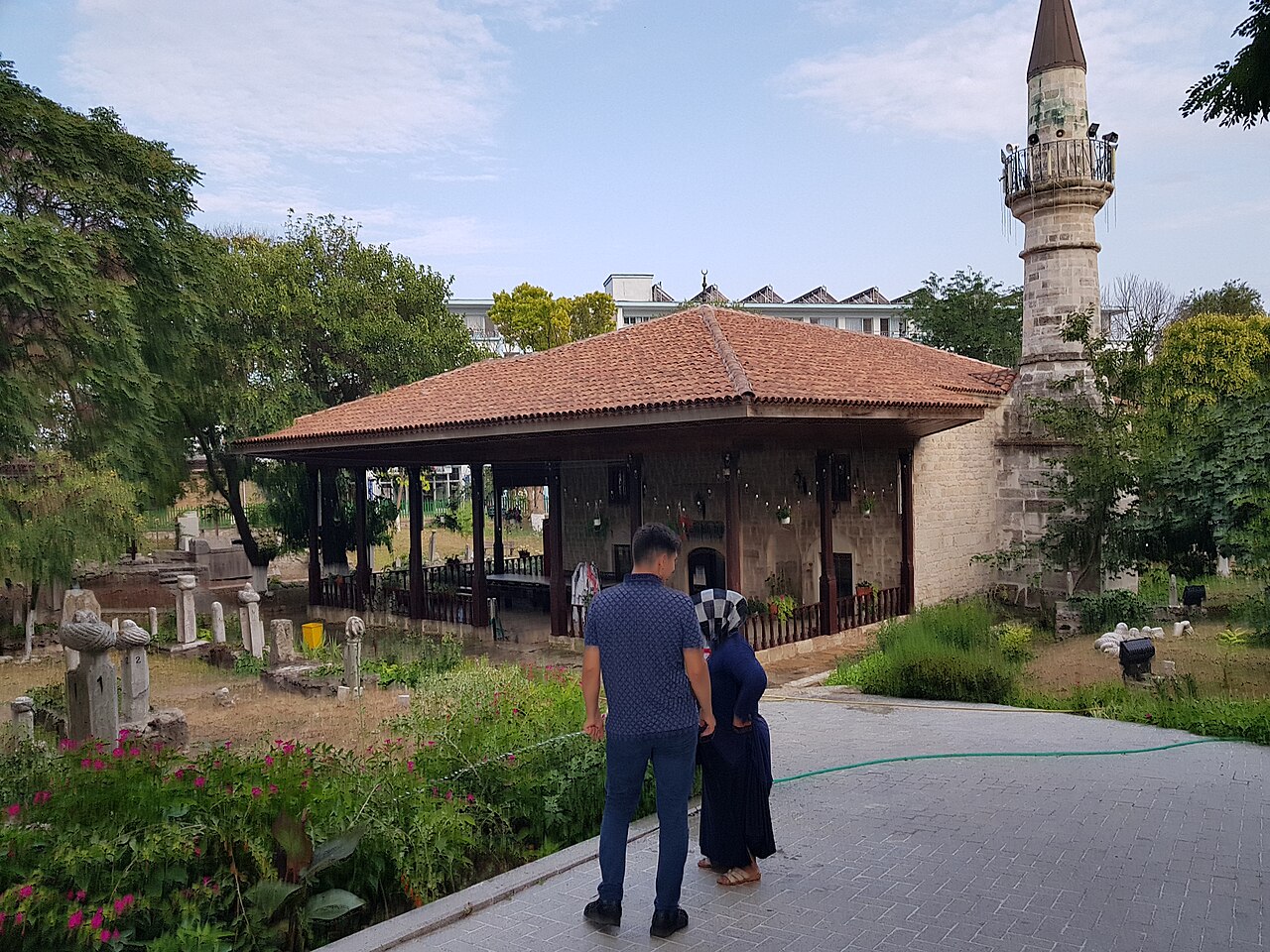
The courtyard of the Esmahan Sultan Mosque in Mangalia also includes the Muslim cemetery, kept here for more than 350 years. Among the slabs is the tomb of Ali Efendi, beside stone…
Babadag, from Turkish Baba Dağı - Father's Mountain - takes its name from Sari Saltuk Baba, the dervish who arrived around 1300. The town is attested from the thirteenth century. T…
Hagieni, near the border with Bulgaria, was called Hagilar: a village of hajjis, people who had made the pilgrimage to Mecca. The Tatar community settled here around 1824 and kept…
In the village of Tătaru, the cemetery on the slope is the place where the local Muslim community has buried its dead for generations. Dobrogea has held Tatars since the fifteenth…
In the courtyard of the Ali-Gazi Pasha Mosque, a fountain takes a spring. Pilgrims used it to wash their hands before prayer. Dating wanders between 1610 and the late seventeenth c…
In 1864, under Abdul Aziz, a stone fountain was built at what was then the edge of Constanța, next to a spring toward Siutghiol. It is the only monument of this type left in the co…
In 1575, Esmahan Sultan - daughter of Selim II and wife of the grand vizier Sokollu Mehmed Pasha - funded a mosque in Mangalia. It is the oldest surviving Muslim place of worship i…
After the Crimean War (1853–1856), Sultan Abdul-Medjid ordered a new town for the Tatars who had come from Crimea. Medgidia was laid out on a plan, and the great mosque was built i…
Sultan Abdul Aziz ordered, in 1863–1865, a mosque next to the Turkish quarter in Tulcea. It had a school beside it. The roof is of tile, the minaret is tall for the scale of the to…
The village in Limanu commune was founded in 1824, most likely by Crimean Tatars coming from the Crimean Peninsula after the Khanate fell under the Russian Empire, in 1783. The old…
Fântâna Mare, Bașpînar in Turkish, is a village in Independența commune lived in almost only by ethnic Turks. The mosque has held the community together for generations; traces of…
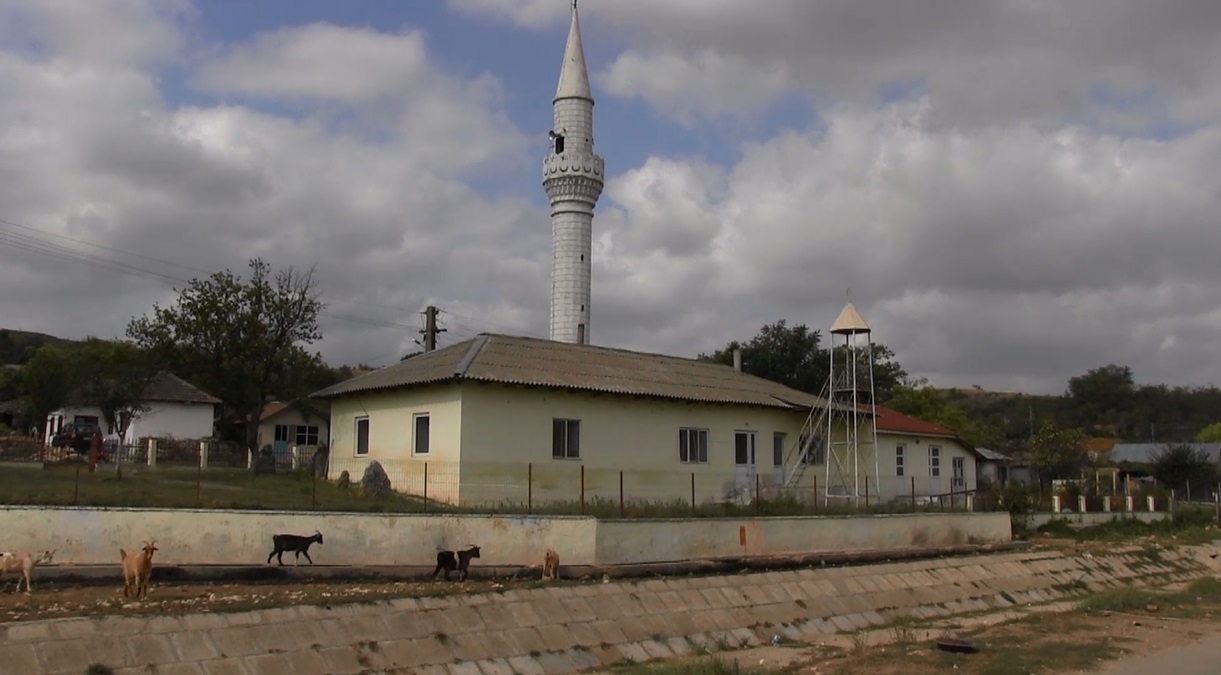
At Amzacea, a mosque of Dobrogea stone, with a short minaret and a pantile roof, was built around the mid-19th century, in the years of the Crimean War. The form is cubic, of a vil…
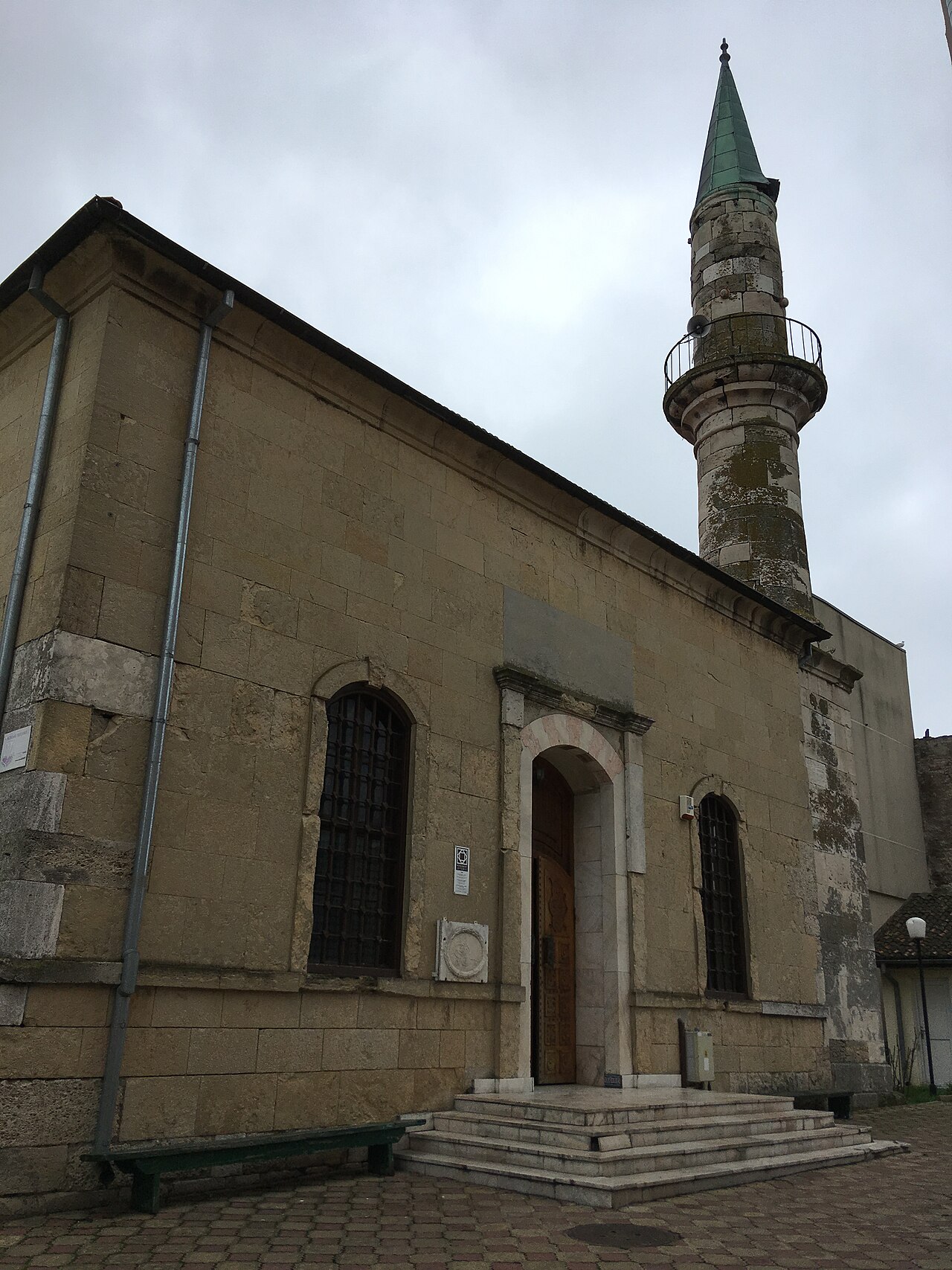
At 41 Tomis Boulevard, between 1861 and 1869, in the time of Sultan Abdul Aziz, the mosque called Hunkiar (or Aziziye) was built. It is the oldest Muslim place of worship remaining…
At 19 1 Decembrie Street, in the centre of Isaccea, stands the mosque tied to Mahmud Yazîcî - Mahmud Efendi, a scholar from a family of yazîcî, that is, scribes. The walls most lik…
The mosque in Cernavodă, tied to the name of Memet Efendi, is dated to the 18th century - local tradition says 1756, in the time of Osman III. It is a Category A monument, with thi…
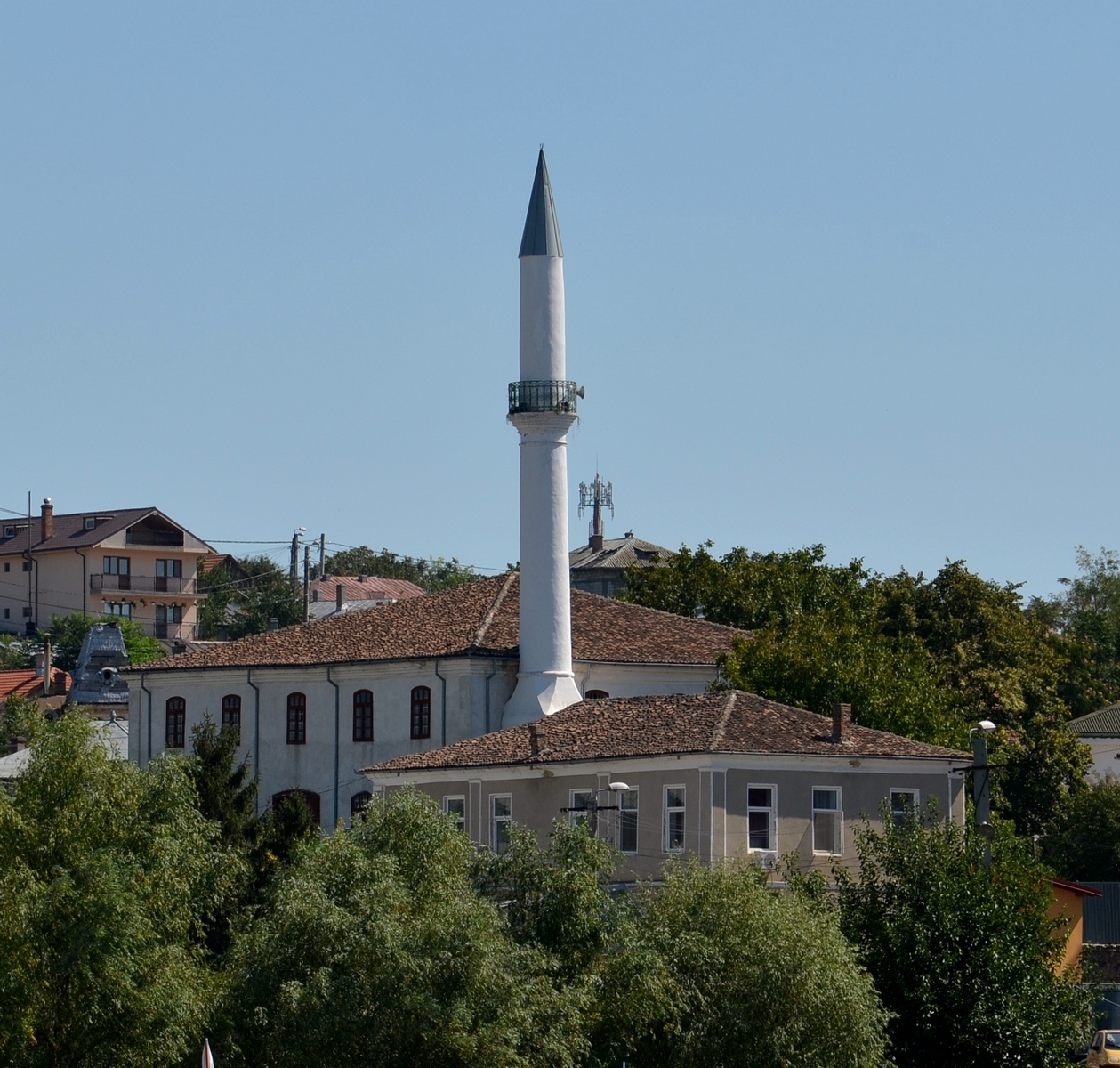
In Măcin, the mosque raised in 1860 bears the name of Mestan Aga. The wave after the Crimean War (1853-1856) had come, when the Russian Empire pushed Muslims from southern Bessarab…
In 1812, after Bessarabia passed to the Tsarist Empire, Sultan Mahmud II ordered a mosque at Hârșova, on the bank that had remained Ottoman. The building is simple, of stone, with…
At 3 Ecaterina Varga Street, between 1885 and 1890, Abdul Hagi Zaid built a Balkan-type inn: a courtyard for horses and carts, guest rooms along the sides. It is the only building…
Ali-Gazi Pasha raised his mosque in Babadag in the seventeenth century. His tomb stands beside the house of worship, in the town centre, on the route you take anyway if you come to…
Sari Saltuk Baba, a dervish who came from Sinop, died in 1297 or 1298. His tomb in Babadag is a place of pilgrimage for Muslims in Dobrogea; tradition ties him to the road of Islam…
In 1609–1610, Pasha Gazi Ali founded in Babadag a mosque with a square hall, a portico and a minaret. Beside it is the founder's mausoleum. The town was then an Ottoman administrat…
Sari Saltuk Baba Dede, a thirteenth-century dervish, is remembered across the Balkans as a wandering saint. Tradition brings him to Dobrogea around 1263-1278, when the shore was pa…
Site photos: Wikimedia Commons or the newsroom, credit on each sheet. No images from dobrogea150.ro.
Nothing found. Try another term.