History
At Nuntași people say “the baths”, but the site is older than the Romans. There are Gumelnița-type settlements, Bronze Age traces, then an ancient occupation (Nuntași I) and Romano-Byzantine bath installations. From the Neolithic until late, the same place had water, clay and a road.
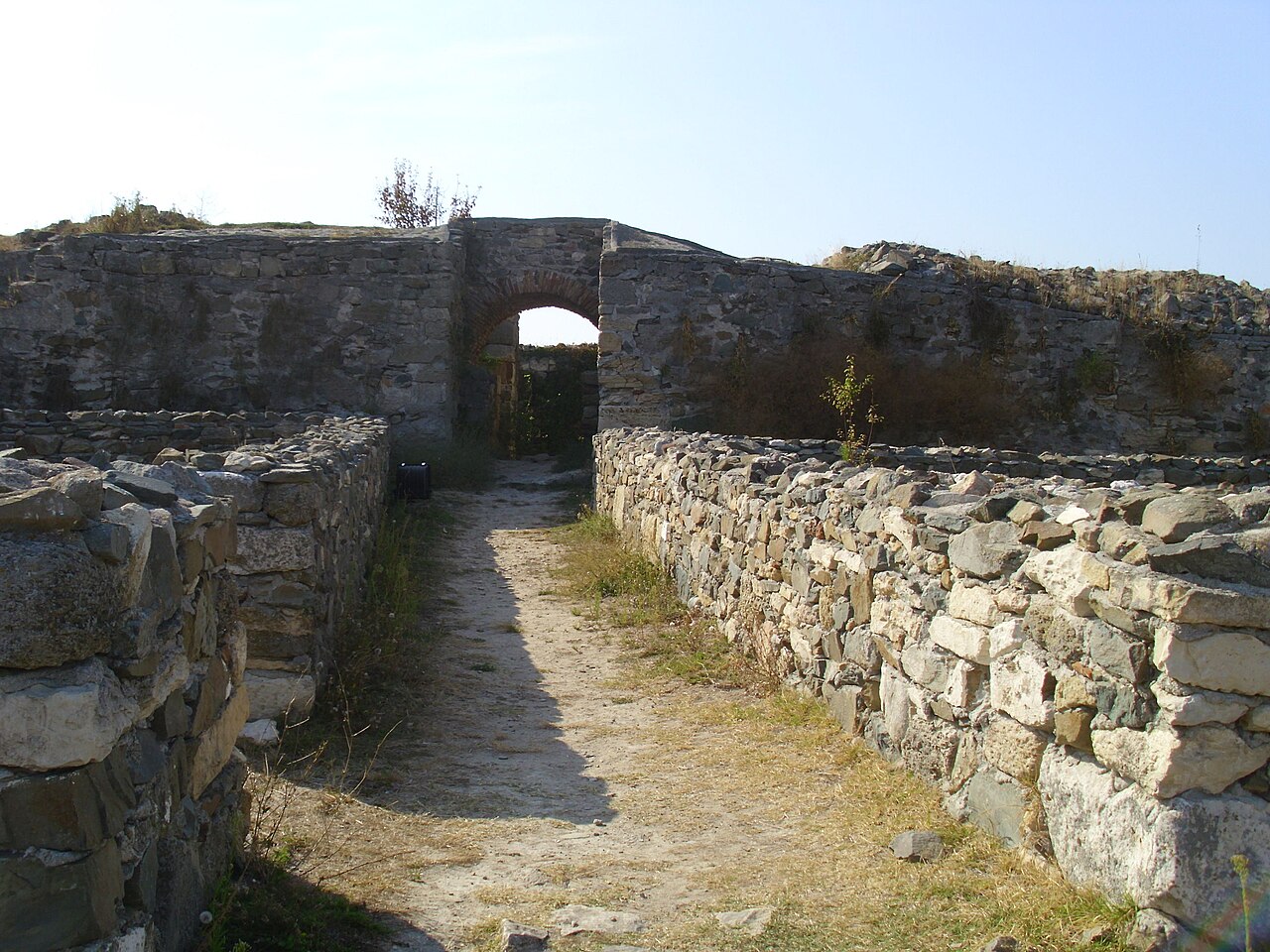
The finds are of pottery, tools and foundations, not high walls. It makes sense to go to the county museum if you want to see objects; on the ground you read undulations and, sometimes, structures brought out by excavation.
The village is close to the lagoon complex. Take a morning, do not walk on agricultural parcels, and ask locals for the active point. In summer it is hot and without shade.
On the map
The pin marks this site.
Curiosities nearby
01 / 06
Constanța este cel mai vechi oraș locuit continuu de pe teritoriul României: peste 2.500 de ani de la întemeierea Tomisului.
02 / 06
Cazinoul din Constanța a găzduit ruleta doar câteva decenii, dar a fost spital în ambele războaie mondiale.
03 / 06
Farul genovez din Constanța amintește de negustorii Genovei, care în secolul XIII controlau comerțul întregii Mări Negre.
04 / 06
Portul Constanța e cel mai mare port la Marea Neagră și s-a construit după planurile aceluiași Anghel Saligny care a proiectat podul de la Cernavodă.
05 / 06
Granitul din Măcin a pavat Bucureștiul și Constanța: pietrarii italieni din Friuli, așezați în satul Greci, l-au tăiat generații la rând.
06 / 06
Canalul Dunăre-Marea Neagră scurtează drumul navelor spre Constanța cu aproape 400 km și e printre cele mai mari lucrări de terasamente din istorie, comparabilă cu Canalul Suez.
Nearby (25 km)
Community
No approved reviews yet.
No approved comments yet.