History
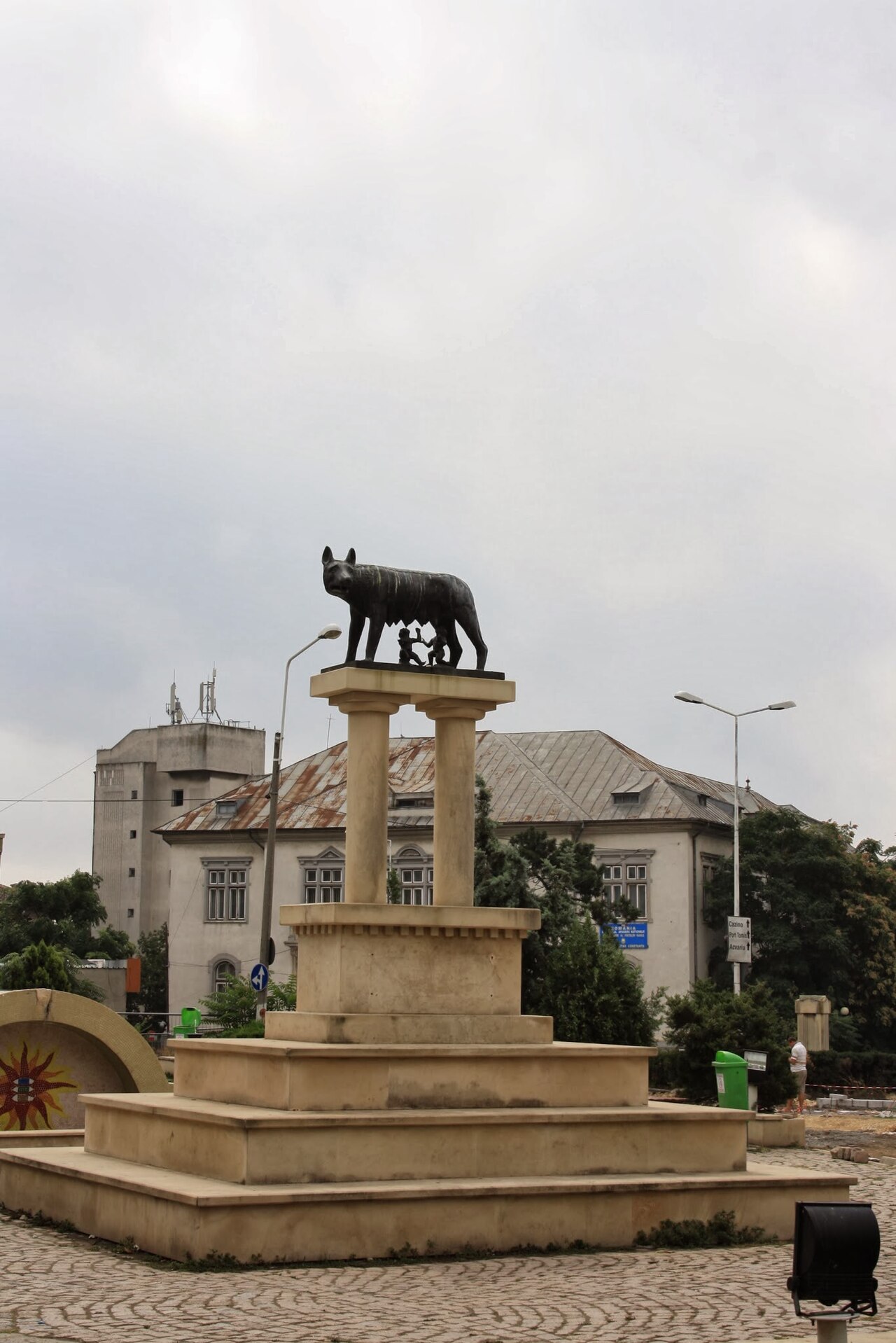
The bronze she-wolf with Romulus and Remus, a copy after the Lupa Capitolina of Rome, stands in Constanța as a sign that Tomis was a Roman city, not only a resort. The version here is twentieth-century (mounted in the 1960s, on the line of the copies given by Rome to towns in the country from 1906 onward).
You find it easily, it is on the promenade route, and everyone photographs it. Spend two minutes on the details: the wolf's neck, the children under the belly, the plinth. The rest is school legend: Mars, Rhea Silvia, the founding of Rome.
Tie it to the Roman mosaic and to the amphitheatre, not to a list of “symbols”. Otherwise it remains only a corner statue, as in ten other towns in the country.
On the map
The pin marks this site.
Curiosities nearby
01 / 06
Constanța este cel mai vechi oraș locuit continuu de pe teritoriul României: peste 2.500 de ani de la întemeierea Tomisului.
02 / 06
Cazinoul din Constanța a găzduit ruleta doar câteva decenii, dar a fost spital în ambele războaie mondiale.
03 / 06
Farul genovez din Constanța amintește de negustorii Genovei, care în secolul XIII controlau comerțul întregii Mări Negre.
04 / 06
Portul Constanța e cel mai mare port la Marea Neagră și s-a construit după planurile aceluiași Anghel Saligny care a proiectat podul de la Cernavodă.
05 / 06
Granitul din Măcin a pavat Bucureștiul și Constanța: pietrarii italieni din Friuli, așezați în satul Greci, l-au tăiat generații la rând.
06 / 06
Canalul Dunăre-Marea Neagră scurtează drumul navelor spre Constanța cu aproape 400 km și e printre cele mai mari lucrări de terasamente din istorie, comparabilă cu Canalul Suez.
Nearby (25 km)

Community
No approved reviews yet.
No approved comments yet.