History
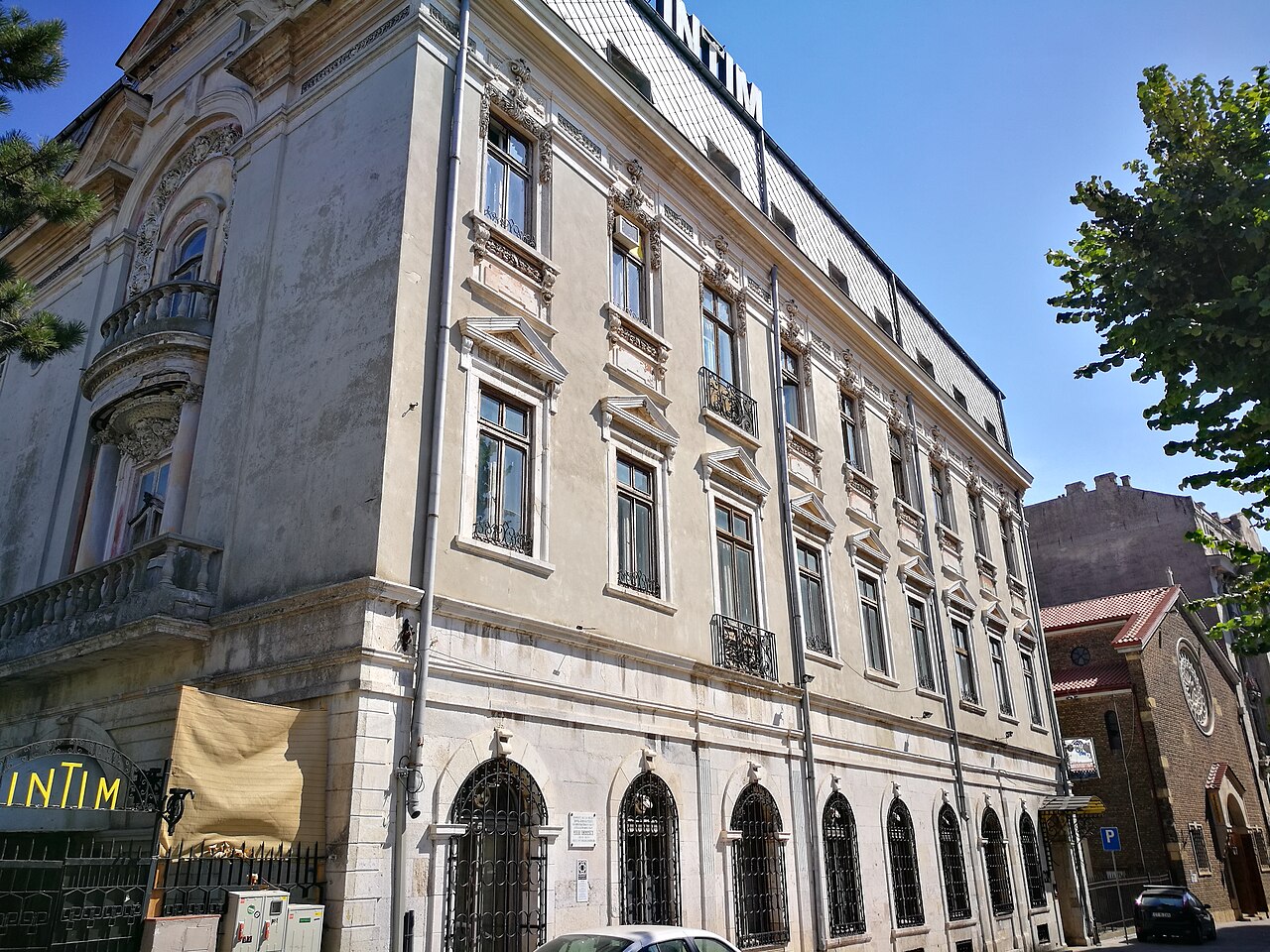
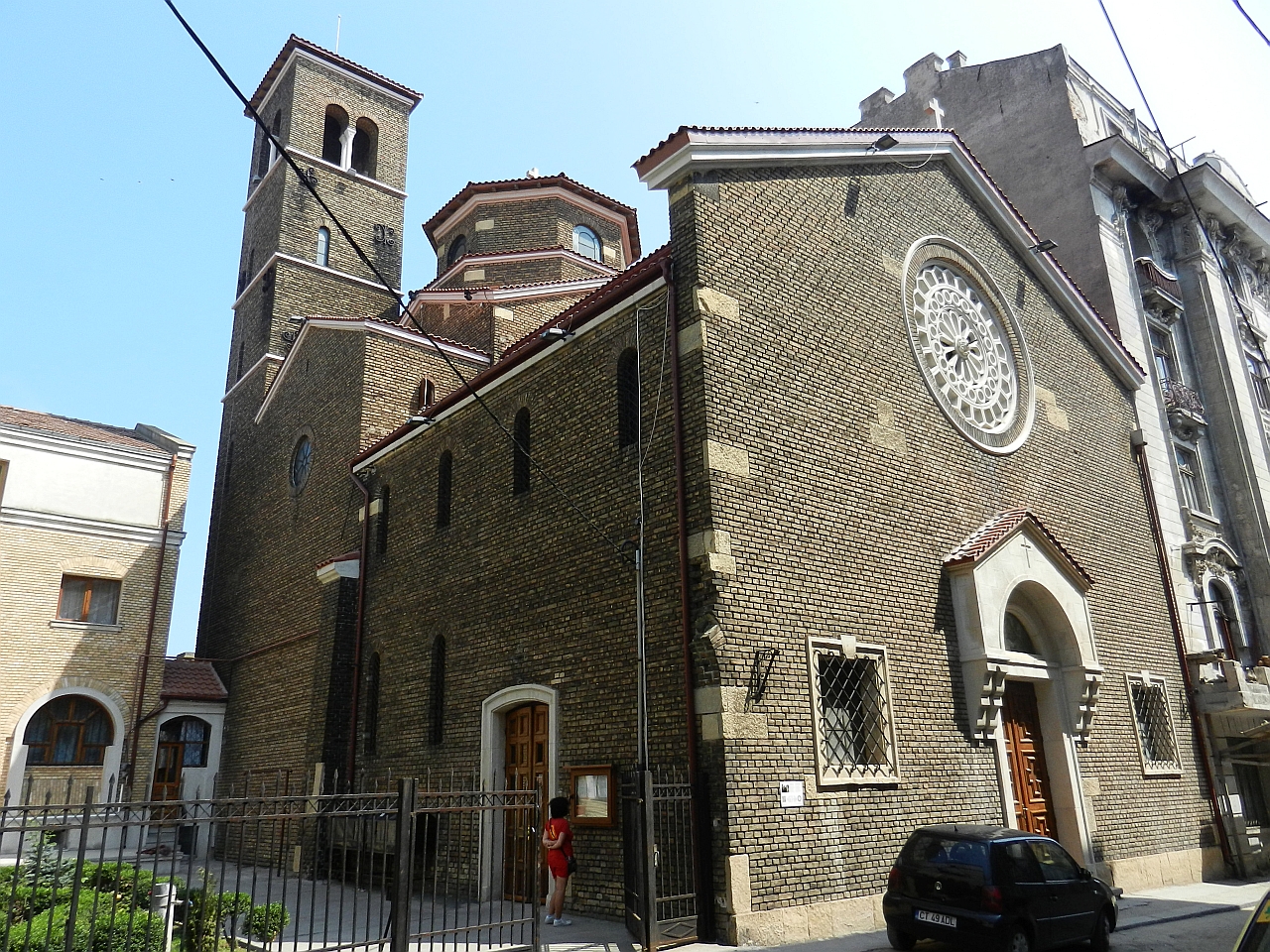
Anyone walking Arhiepiscopiei Street comes upon an interwar house with two closed balconies of wrought iron, decorated with torches. It is Casa Musceleanu: old-centre neo-baroque, with profiled plaster and tall windows, set between museums, the episcopal palace and the Catholic church of Saint Anthony.
Do not enter the courtyard if it is not open to the public; you can still stop at the façade. Look at the rhythm of the floors and at how the iron is worked as lace, not as a simple protective grille.
After you have seen it, go on toward the National History and Archaeology Museum or toward the Casino. The street is short, and the houses here explain pre-1940 Constanța better than any panel text.
On the map
The pin marks this site.
Curiosities nearby
01 / 06
Constanța este cel mai vechi oraș locuit continuu de pe teritoriul României: peste 2.500 de ani de la întemeierea Tomisului.
02 / 06
Cazinoul din Constanța a găzduit ruleta doar câteva decenii, dar a fost spital în ambele războaie mondiale.
03 / 06
Farul genovez din Constanța amintește de negustorii Genovei, care în secolul XIII controlau comerțul întregii Mări Negre.
04 / 06
Portul Constanța e cel mai mare port la Marea Neagră și s-a construit după planurile aceluiași Anghel Saligny care a proiectat podul de la Cernavodă.
05 / 06
Granitul din Măcin a pavat Bucureștiul și Constanța: pietrarii italieni din Friuli, așezați în satul Greci, l-au tăiat generații la rând.
06 / 06
Canalul Dunăre-Marea Neagră scurtează drumul navelor spre Constanța cu aproape 400 km și e printre cele mai mari lucrări de terasamente din istorie, comparabilă cu Canalul Suez.
Nearby (25 km)


Community
No approved reviews yet.
No approved comments yet.