History
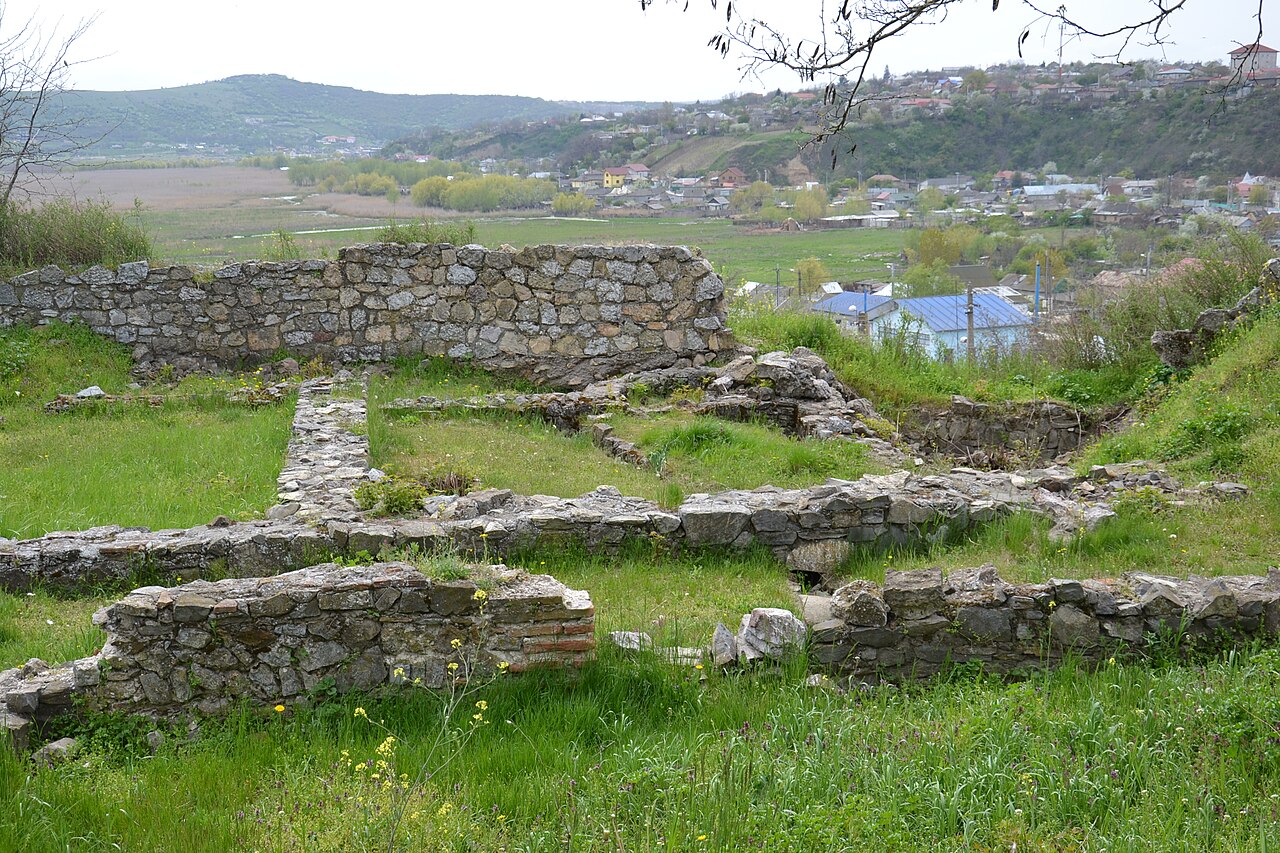
Tulcea stands over Aegyssus. The name is Celtic, and a legend ties it to a certain Caspios Aegyssos; archaeologically, we speak of a fortified Getic settlement from the fourth century BC, then of a Roman point on the Danube. Ovid mentions it in the year 12, when he was living his exile at Tomis and looking north.
The layers climb through the second and third centuries, through rebuildings of the sixth century and into the Middle Ages, when the place remains a node of river control. Today the remains are read together with the History and Archaeology Museum: without the cases, the walls on the slope are hard to separate from the living city.
Climb the hill with the view of the port. Take a site map, do not be content with the panorama; otherwise you have only done a terrace, not a fortress.
On the map
The pin marks this site.
Curiosities nearby
01 / 06
Satul Greci din județul Tulcea e „mica Italie" a României: pietrarii veniți din Friuli la 1880 și-au păstrat până azi numele, rețetele și biserica catolică.
02 / 06
Evreii dobrogenei au avut sinagogi la Constanța, Tulcea și Babadag: comunitatea a contribuit la dezvoltarea porturilor.
03 / 06
Tulcea e singurul municipiu din România aflat pe malul Dunării, la intrarea în Deltă.
04 / 06
La confluența brațelor, lângă Tulcea, Dunărea poate avea debit de peste 6.000 m³/s primăvara: e unul dintre cele mai mari fluvii din Europa.
05 / 06
Meșteșugul coșăritului din nuiele de salcie încă se practică în Deltă: coșurile pentru pește și legume se vând la târgurile din Tulcea.
06 / 06
Peste Munții Măcin trece unul dintre marile drumuri de migrație ale păsărilor din Europa, „via Pontica": toamna se pot vedea mii de berze și răpitoare într-o singură zi.
Nearby (25 km)
Community
No approved reviews yet.
No approved comments yet.